
15 Ways to Honor National Book Month

October is National Book Month. To honor this occasion, I am reposting this story from a couple of years ago.

For readers, authors, publishers, book sellers, and book lovers of all ages, this is an important occasion to celebrate books. It’s a month dedicated to literary pursuits, for snuggling up on the sofa with a hot beverage and burying yourself in the pages of a classic or current bestseller, no matter what genre you enjoy.

This is not to be confused with National Reading Month which takes place every March. National Book Month was formed by the National Book Foundation in 2003 to honor the best books and authors. It’s also encourages the reading books of all genres, to support others’ rights to acquire and read books, and support authors and independent bookstores. If you love books and if you love to read, this themed month is one to savor.

So how can you honor National Book Month? Here are a few suggestions that are sure to keep you busy all month – and beyond. What is your favorite way to celebrate National Book Month?

1.  Enjoy a reading retreat. Set aside an entire weekend just for indulging yourself with a good book. Turn off the TV and streaming services. Instead, immerse yourself in the written word rather than watching it on the screen.

2. Read a new author. Scan the bookshelves at the library or local bookstore and find an author you’ve never read before. Perhaps it’s someone you’ve heard good things about. Or maybe you’ve never heard of them, but the book title and premise intrigues you. When you try new authors, you open yourself up to new ways of storytelling.

3. Re-read a favorite author. Re-reading a novel from a favorite author is much like wearing an old favorite sweater that’s warm and comfy. If a lot of time has passed since the first time you read the book, you may see something new in the story that you didn’t notice before.

4. Visit an independent bookstore. Independent bookstores have seen a resurgence in recent years, thanks in part to their connections to their communities. This National Book Month, show your love of reading by visiting your favorite, local bookstore.

5. Visit your local library. For those who can’t afford to buy books, libraries are their go-to place for reading. These days, libraries are more than just a place to borrow books. You can also borrow DVD movies, audio books and music. Libraries are the ultimate literary community center of the neighborhood.

6. Join a book discussion group. There are numerous book discussion groups around and many of them specialize in a particular genre, such as mystery, current events or memoir. Check your local church, library or bookstore for one near you. If you can’t find a group that fits your interests, start one of your own.

7. Swap books with other readers. When you’re done reading a book, spare it from a life on your bookshelf collecting dust. Consider swapping books with friends, neighbor or colleagues so you all can enjoy them. Or set up a lending library in your apartment building so all residents can contribute their used books.

8. Set up a Little Free Library. Share your love of reading with your neighbors through a local Little Free Library. You’d be surprised at the types of books you might find at one, including recent bestsellers. These little libraries not only bring readers together, but they’re a great place to donate your own books you no longer want.   

9. Support local authors. Follow your favorite local authors on social media, comment on their postings, or attend an author book signing in person. Show them how much you appreciate their work. After spending long hours honing their craft or working on their novel, getting fan support often gives them a boost of confidence.  

10. Donate books. There are many non-profit organizations that collect books to pass on to people who don’t have access to them. One such organization is Chicago Books to Women in Prison, which responds to letters from women in prison and sends them books upon request from their library. Consider donating books you’ve already read so others may enjoy them too.

11. Carry a book with you wherever you go. Tuck a book in your briefcase, backpack or purse. If you’re out and about and you suddenly find yourself stuck in traffic, waiting at the dentist’s office or riding the bus, you can use the spare time to read.

12. Read a banned book. A surprising number of books are falling on the banned hit list in many areas of the country. Many of these books are banned because they are either considered sexually explicit, depict child abuse or contain LBGTQIA+ content, among other things. You can find lists of banned books on the ALA’s website as well as ways you can get involved in fighting book banning.

13. Listen to an audio book. If you can’t sit down to read, try listening to a book instead. Audio books make it possible to multi-task, so you can enjoy the latest best-seller while driving your car or cooking dinner.

14. Write a book review. Is there a book you absolutely LOVED? Or conversely, is there one that disappointed you? Write a brief review about it. Post it to your own blog (if you have one) or post on a review site like Good Reads.

National Book Month is the perfect time to express your love of books.
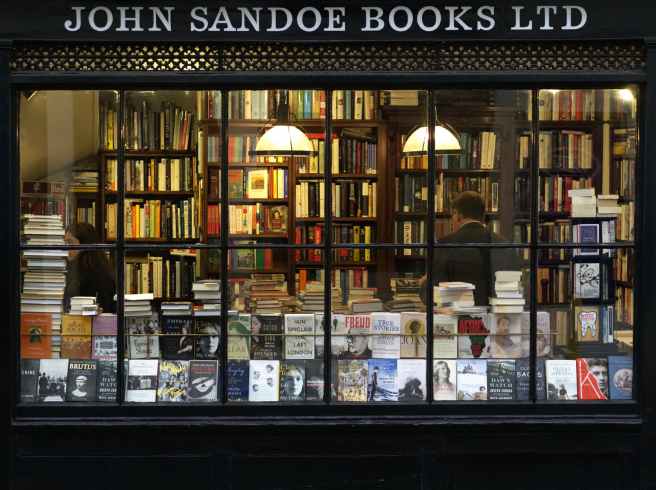
How Independent Bookstores Make an Impact on Readers and Communities

Photo by Tuur Tisseghem on Pexels.com

I love visiting independent bookstores, especially the one in my neighborhood. There’s a cozy, warm, welcoming feeling the moment I walk in the door. I can usually find something on their shelves that I can’t find at other sales outlets.

Indie bookstores are key contributors to the local economy, provide kind and friendly service to customers, and simply make the book shopping experience more pleasurable.

This Saturday is Independent Bookstore Day, a time when we can all show our love for independent booksellers by visiting their shops, browsing their shelves and making purchases.

Indie bookstores never went away, even as larger, online retailers dominated the market. While some indie stores did go out of business, many others have thrived and the industry continues to grow. According to the American Booksellers Association, the national trade group for independent booksellers, 254 independent bookstores opened in 2022 of which 179 were brick-and-mortar shops. Another 198 bookstores were expected to open in 2023 and 2024 nationwide. Meanwhile, only 53 indie bookstore businesses closed in 2022. The future looks bright.

A recent white paper by Harvard Business School attributes the resurgence of independent bookstores to their three main strengths: community, curation and convening.

Community—Bookstore owners won back customers by stressing stronger connections to the local community. They often give back to their communities, and choose book titles that reflect the interests of local residents.

Curation—Bookstore owners are focused on acquiring inventory that provides a “more personal and specialized customer experience.” In doing so, they have developed better relationships with customers by helping them discover up-and-coming authors and unique titles that they may never have considered reading.

Convening—Independent bookstores have become places to gather for everything from book signings and reading groups to lectures, game nights and birthday parties—events that online retailers can’t offer.

I would add one more component to the mix: personalized service. By focusing on the quality of book selections (rather than quantity) and the book knowledge of their staffs, indie booksellers can offer titles geared toward specific needs and interests of local readers. Staff are readers too, and their book reviews and suggested readings can help customers choose books based on their recommendations. Even Barnes & Noble has adopted this approach to bookselling to get back into brick-and-mortar bookselling.

These businesses are also strong advocates for free speech. They speak out against book bans and showcase the work of authors from underrepresented communities.

I have my own personal reasons for appreciating indie bookstores:

* I often find authors and book titles that I wouldn’t find elsewhere. I have found some true hidden gems on their shelves.

* Some bookstores specialize in a particular genre. For example, a romance-based bookshop opened recently in my area and, so far, is doing quite well.

* The store often offers discounts for special events, like Independent Bookstore Day and Black Friday, and my favorite place has a decent discount sale section.

* The staff are knowledgeable about the latest releases and up-and-coming authors. Their Staff Picks section is usually an interesting mix of classics, trending titles and new authors.

* Because they’re community-focused, they support and cross promote with other businesses in the neighborhood. For example, on a busy Black Friday, a bakery from the area provided freshly baked cookies for their event.

* They support the local publishing scene and authors. One author I know has her self-published memoir on display at a couple of independent bookstores.

* Booksellers are advocates for free speech. They fight against book bans and make sure the works of underrepresented authors get on their shelves.

Independent bookstores are here to stay, and for that I am grateful. Without them, I would not have been able to broaden my reading interests.

What about you? Do you visit independent bookstores? What do you love most about them?

15 Ways to Honor National Book Month

October is National Book Month! (Although if it were up to me, every month would be National Book Month.)

This is in important occasion for readers, authors, publishers, book sellers, and book lovers of all ages. It’s a month dedicated to literary pursuits, for snuggling up on the sofa with a hot beverage and bury yourself in a romance, fantasy or mystery.

This is not to be confused with National Reading Month which takes place every March. National Book Month is designed to encourage reading books of all genres, to support others’ rights to acquire and read books, and support authors and independent bookstores. If you love books and if you love to read, this themed month is one to savor.

So how can you honor National Book Month? Here are a few suggestions that are sure to keep you busy all month – and beyond. What is your favorite way to celebrate National Book Month?

1.  Enjoy a reading retreat. Set aside an entire weekend just for indulging yourself with a good book. Turn off the TV and streaming services. Instead, immerse yourself in the written word rather than watching it on the screen.

2. Read a new author. Scan the bookshelves at the library or local bookstore and find an author you’ve never read before. Perhaps it’s someone you’ve heard good things about. Or maybe you’ve never heard of them, but the book title and premise intrigues you. When you try new authors, you open yourself up to new ways of storytelling.

3. Re-read a favorite author. Re-reading a novel from a favorite author is much like wearing an old favorite sweater; it’s warm and comfy. If a lot of time has passed between readings, you may see something new in the story that you did not notice during the initial reading.

4. Visit an independent bookstore. Once upon a time, the existence of independent bookstores were threatened by big online retailers. But many years later, thanks to the dedication of avid readers everywhere, independent bookstores are alive and well. Show your support for booksellers by visiting a bookstore.

5. Visit your local library. For those who can’t afford to buy books, libraries are their go-to place for reading. These days, libraries are more than just a place to borrow books. You can also borrow DVD movies, audio books and music. Libraries are the ultimate literary community center of the neighborhood.

6. Join a book discussion group. There are numerous book discussion groups around and many of them specialize in a particular genre, such as mystery, current events or memoir. Check your local church, library or bookstore for one near you. If you can’t find a group that fits your interests, start one of your own.

7. Swap books with other readers. When you’re done reading a book, what usually happens with it? Most likely it collects dust on your bookshelf. Consider swapping books with a friend or neighbor so you both can enjoy them. Or set up a library in your apartment building so all residents can contribute their used books.

8. Set up a Little Free Library. These little free libraries seem to be popping up all over the place in recent years. With public libraries overflowing with books, the Little Free Library is the next best place to go to find books or donate ones you no longer want.   

9. Support local authors. Follow them on social media, comment on their postings, or attend an author book signing in person. Show them you appreciate their work. Authors often spend hours alone honing their craft before they can become published. Seeing fans in person gives them a feeling of satisfaction.  

10. Donate books. There are many non-profit organizations that collect books to pass on to people who don’t have access to them. One such organization is Chicago Books to Women in Prison, which responds to letters from women in prison and sends them books upon request from their library. Consider donating books you’ve already read so others may enjoy them too.

11. Carry a book with you wherever you go. Tuck a book in your briefcase, backpack or purse. If you’re out and about and you suddenly find yourself stuck in traffic, waiting at the dentist’s office or riding the bus, you can use the spare time to read.

12. Read a banned book. A surprising number of books are falling on the banned hit list in many areas of the country. Many of these books are banned because they are either considered sexually explicit, depict child abuse or contain LBGTQIA+ content, among other things. You can find lists of banned books on the ALA’s website as well as ways you can get involved in fighting book banning.

13. Listen to an audio book. If you can’t sit down to read, try listening to a book instead. Audio books make it possible to multi-task, so you can enjoy the latest best-seller while driving your car or cooking dinner.

14. Write a book review. Is there a book you absolutely LOVED? Or conversely, is there one that disappointed you? Write a brief review about it. Post it to your own blog (if you have one) or post on a review site like Good Reads.

15. Start writing your own book. So you won’t get published any time soon. That doesn’t matter. What matters is that you are inspired by the books you’ve read to start writing one of your own. National Book Month honors authors of all kinds, whether they’re published or not.

Why Independent Bookstores Still Matter

books bookshop bookstore business
Photo by Tuur Tisseghem on Pexels.com

Much has changed over the past few decades that has made an impact on the book publishing industry. New technologies have made it possible for new writers to self-publish, creating an influx of new authors and book titles that we didn’t see before. Online retailers have made it easier to shop for books from the comfort of your home or office so you don’t have to step inside a bookstore – ever.

But despite these changes, there’s still a place for independent bookstores. While many shops have shuttered its doors, many others are thriving. How are they doing it? By offering products and services that online retailers and national chains are not able to. By focusing on what they CAN do, rather than what they are not equipped to handle, today’s indie bookstores have managed to remain relevant while winning the hearts, minds and hard-earned dollars of their customers.

Independent bookstores may not have the name recognition of a national chain and they may not even offer coffee and free wi-fi, but they provide a sense of community that is lacking in larger chains and online stores. That’s what makes them still relevant today. That’s what makes them so appealing to bookstore customers.

So I’m giving our friendly neighborhood independent bookstores some loving this week. Here are a few reasons indie bookstores still matter:

* Independent bookstores serve as an anchor in the community. Many independent bookstores are managed by people who live near the community. They are your friends and neighbors. When you support these small shops, you support small businesses. Local bookstores are more involved in their communities that larger chains. They understand the importance of building community and sharing resources among their neighboring business. For example, they might work with the bakery across the street to brink in fresh-baked muffins and cupcakes for a book meeting.

They’re more likely to participate in fundraisers, street fairs and community events. And they serve as a popular meeting place for tour groups, reading clubs and kids’ groups. They may even provide a forum for a local political candidate running for office. With a strong connection to the community, they’re able to create a loyal customer base and build a steady stream of business from repeat customers.

* Indie bookstores provide stronger support for new literary voices. Indie bookstores especially appreciate local authors, and they will do whatever they can to support their book. They do more than just sell the book. They may profile new authors in their newsletter, or give them a forum to talk about their books. Since the indie bookstores aren’t always locked into big name authors and book titles, they can give new authors a more intimate stage to showcase their work.

* Independent bookstores can specialize in a particular genre. To thrive in today’s competitive environment, some indie bookstores are specializing to attract a specific type of reader. For example, Chicago-based Read It & Eat specializes in selling cookbooks and other food writing. The store has a kitchen for cooking demonstrations and hosts author and chef signings. By specializing in culinary interests, the store is able to create a unique shopping experience targeting the large customer base of home cooks in the area.

* Independent bookstores can help improve the local economy. According to IndieBound.org, an online community of local independent bookstores, for every $100 spent at an indie bookstore, approximately $52 is returned to the neighborhood, compared to less than $6 for national chains. The more money that’s put back into the community, the more that will cycle back to the bookstore in the form of repeat business from customers. That keeps a local community thriving.

* Independent bookstores are better for the environment. According to IndieBound.org, when you purchase books from an indie bookstore, there’s no need for boxes and packaging for shipping, and there’s no transportation needed for shipping. That not only saves the customer money for shipping costs, it means the boxes and shipping materials don’t end up in a landfill. That means a smaller carbon footprint for all of us.

In today’s marketplace, independent bookstores play an integral role in our communities and provide a strong support system for writers and readers alike. By providing a more diverse selection of works and more choices, readers can expand their literary knowledge and become acquainted with new book titles, authors and genres. And because they’re managed by your friends and neighbors, they provide more personalized, friendly service.

Celebrate small business and shop at indie bookstores. That’s the best way to show them some love.