Tips for Spring Cleaning Your Writing Practice

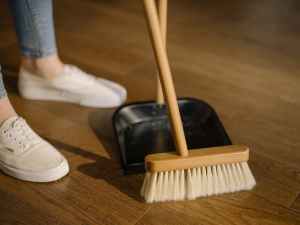
Photo by cottonbro on Pexels.com

The calendar may read April but the weather outside my window says winter. Nonetheless, at this time of year, my thoughts often turn to spring cleaning. I notice the layers of dust everywhere (my place is a dust magnet), the piles of papers, the books scattered about, the dust bunnies and cob webs, reminding me it’s time for a deep cleaning. Needless to say, housekeeping has never been my strong point. So while I recognize that spring cleaning is a common rite of spring, it’s also one I dread.

Beyond the housework though, there are other areas that may need spring cleaning, such as my writing practice. Like many writers, I can get lost in my own head to the point I forget about my writing environment. It’s easy to get so caught up in everyday work that I forget that my writing practice might need some sprucing up too.

There are numerous half-finished projects sitting in my file drawers and notes from completed freelance assignments. Not to mention the backlog of emails and texts that have piled up in my archives, and the miscellaneous notes and newspaper clippings I’ve collected over the years, believing that they might come in handy for an essay I hoped to write one day.

Spring cleaning is a tough task, but a necessary one if you want to feel more productive. The good news is you don’t have to do the spring cleaning all at one sitting. Take an hour a day over the course of a week or two, and you’ll get through each one. By the end, you’ll likely feel lighter and freer than before. By clearing away the deadwood and clutter of unfinished manuscripts and story ideas, you can make room for fresh, new ones.

Here’s my to-do list for spring cleaning a writing routine. You may have a few different tasks than what I’ve listed below.

1. Review and reassess story notes. This is a biggie, which is why I’ve listed it first. This can also take the longest time because it can be tempting to lose yourself in story lines from the past, just like going through old photos can bring up memories.

If you’re like me, you’ve created a notebook of miscellaneous notes for each story idea, which means I may have ten or twelve notebooks sitting on my shelf, taking up valuable space and collecting dust. There’s no guarantee that I will ever get around to writing these stories. It may be time to unload some of those stories, especially the ones that are too vague. If you’re reluctant to let go of the idea, but want to lose the notebook, I suggest making a spreadsheet for each story idea. A spreadsheet will help you organize your ideas and streamline your writing activities, while making room on your shelf.

If you use notebooks to handwrite drafts of your stories, and you’ve already typed the up, it’s time to lose the notebooks. Dump them since you likely won’t review them anymore.

2. Go through old emails and text messages. If you have long chains of emails and text messages unrelated to one another that go back several years, take time to delete them.  They’re taking up valuable space on your computer and phone. But you might ask, “What if I need to go back to them later for some reason?” If you haven’t gone back to them by now, then you probably won’t need to in the future. Besides, it feels cleaner to get rid of them. Remember to clear out the messages you’ve sent too, not just the ones you’ve received. Those sent messages can pile up in a hurry.

3. Reassess your social media. When was the last time you assessed your social media needs? How often do you use them, and for what purpose? If you use Twitter to learn about freelance assignments, by all means, keep it. But if you’re never on that platform, or worse, you spend countless hours on it when you could be writing, then it might be time to let it go.

4. Reassess your writing tools and equipment. Do you still use a desktop computer from ten years ago? It might work fine for you now, but like anything that ages, it’s likely slower with time. Which doesn’t help your writing practice. It’s time to find another home for that desktop if it’s still in good, working condition and upgrade to a newer, faster version or transfer to a more portable laptop. Ditto with printers. Today’s versions can spew out more pages in a shorter period of time. If you do decide to upgrade, think about what your writing needs maybe in the future as well as today.  

5. Reevaluate your book collection. Do you have books about writing or freelancing still sitting on the shelf that you read a long time ago, or worse, not at all? Then it’s time to go through them to decide if they should go or stay. If you haven’t read a book and it’s been sitting on your shelf for three years, it may be time to donate it to someone who might appreciate it.

6. Spruce up your writing environment. Does your designated writing space still inspire you? Or do you avoid working there because you’re not comfortable there? Think about the chair you use, the desk, the lighting. If any of these items aren’t helping you feel more productive, It might be time to replace them.

Try to keep your space clean at all times. There’s nothing more uninspiring to a writer than a cluttered work environment. Add an inspirational poster on the wall and a live plant to be close to nature. Little things can inspire you to write every day.

7. Review your calendar. Are you so busy with non-essential activities that you can’t find time to write? If you feel overcommitted, it’s time to reconsider your priorities. If writing is important to you, you need to make room for it in your life. Don’t be afraid to say no to invitations and obligations if they will interfere with your writing practice.

Conversely, is your calendar fairly empty? Not having many outside interests can be as damaging to your writing practice as having too many. Work-life balance means different things to different people. You’ll need to assess what balance means to you and how you will achieve it.

There’s a lot more to spring cleaning your writing practice than just dusting off your shelves. Imagine how good it will feel when you’ve cleared the clutter from your writing life.

What tips do you have for spring cleaning your writing practice?

Tips for Downsizing Your Reading Library

recycling-bin-2
Photo courtesy of Hubspot


February’s theme is “For the love of books.”

In my last post, I described ways that you can acquire books cheaply or for free. But a problem for many readers is managing the collections they have. How can you assimilate new acquisitions into your current collection while minimizing the clutter? What to do with all those new and used books you just purchased?

Let’s face it. It’s much easier to build a reading library than it is to dismantle it. You know it’s time to declutter your bookshelves when:

a) You still have not read books you purchased more than two years ago;
b) Books are falling off the shelf because there’s no more room for them;
c) There’s a thick layer of dust sitting on them;
d) You’ve already read many of them and you don’t plan to re-read them;
e) You have no idea what to do with them or how to get rid of the overflow.

Here’s an idea to maintain your library so that it doesn’t begin to overflow and get cluttered. This is especially helpful if you mix the books you’ve already read with ones you have yet to read.

Pull out all the books from your shelves. Sort them according to books you have yet to read and those you have already read. Assign one or two shelves for the books you have yet to read and place unread books there. Another shelf will be reserved for those you have already read.

With each book you complete, add it to the shelf with the books you’ve already read. When that shelf begins to get cluttered, it’s time to decide what to do with them.

It might be helpful to set up bins or baskets for donations, selling, swapping or keeping for future re-use. Just like you would with your clothes closet, go through the books you’ve read – and even the ones you haven’t read – and decide if it’s better to sell it (think garage sale), donate it to a local nonprofit thrift shop, or pass it along to a friend. Hopefully the “Keep for future re-read” basket will remain empty.

Take time to go through the unread books as well. Ask yourself: When did I purchase this book? Do I still plan to read it? If you purchased it more than two years ago, and you haven’t read it yet, chances are you may never get around to it. In that case, it may be time to get rid of it.

With a system like this in place, it’s easy to keep track of what you’ve read and what you have yet to read. It’s also easier to decide what to do with the ones you’ve already finished reading.

It can be a painful process to go through your book collection. They are like treasured friends. You want to keep them around all the time. But like having a household of friends, at some point, they have to move on to new homes. If you have difficulty letting go of your books, if you’ve become too attached to them, consider asking a friend to help you sort through them.

Once you know which books you want to depart with, think of where you can take them. Check your local public library to see if they have a donation program. Some libraries might still accept donations; others don’t anymore, like the Chicago Public Library. It couldn’t handle the overflow.

Also check with local non-profits in your area, such as Chicago Books to Women in Prison and similar groups, which use donated books to send to incarcerated women. Be sure to visit their website first to see what kinds of materials they will accept. For example, CBWP does not accept hard covers because they are not accepted at prison facilities. Make sure books you donate are in good condition and don’t have writing and underlining in them.

Consider trading books with friends and family members or contribute a few to your nearest Little Free Library. Also check local coffee shops. Some may have a community bookshelf for discarded books.

Finally, when your bookshelves are decluttered, set a parameter for yourself. For every book you acquire, get rid of one from your shelf. It will force you to be more mindful of how often you add to your collection. Then as you finish reading one book, put it on a separate shelf with other books you’ve already read. Once that shelf is filled, it’s time to declutter again.

It’s fun developing a reading library, but it’s as fun when they begin to collect dust or the shelves become so overloaded with unread books that you have to get rid of them. By having a few systems in place, downsizing your book collection will be less painful and you can manage your library more easily.


Cheap, Easy Ways to Build Your Home Reading Library

books school stacked closed
Photo by Pixabay on Pexels.com

February’s theme is “For the love of books.”

There’s nothing like purchasing a brand new book hot off the press. The pages are crisp and untouched by human hands and the cover art is still bright and vivid. But books, especially hardcovers, can be expensive. If you buy them frequently, the costs can really add up. Even with the 20 percent discounts some retailers offer for new releases, it barely makes a dent in the final cost.

Building a home reading library doesn’t have to put you in the poor house. You don’t have to pay full price to build your library. For starters, stay away from hard cover books, if possible, which automatically adds to the cost. If you’re willing to be patient, wait for the soft cover to be released, which is often cheaper. This, of course, is a no-brainer.

But there are other ways to acquire books without spending a small fortune. Here are a few places to look.

Public library – Naturally, the public library is the first place to check out. The books and other materials are free to use, but they don’t belong to you. After a few weeks, you will have to return them. While that can save on space in your own home, especially if you don’t have a lot of spare space to begin with, it can be disappointing to have to return a book you fell in love with. It’s also possible that you won’t finish the book in the set amount of time they give you, usually three weeks. That means having to return it and renew it for another three weeks. And who has time to trudge back and forth to the library? Still the public library is great for browsing book titles you’d like to own and learning about new authors.

Book swap – If you know a lot of other readers or you come from a family that likes to read, you may be in luck. Ask what they’ve been reading lately. If it’s something they would recommend, ask if you could borrow it. Even better, swap books with them. Book swapping keeps the books circulating instead of collecting dust on the bookshelf, and everyone involved has a chance to add to their literary knowledge.

Book sales/book fairs – Check your town for books sales or book fairs, which is a great hunting ground for new and used books. The books for clearance may come from libraries trying to downsize their collections and make room on their shelves for new items, and from book stores trying to sell their overstock. In Chicago, for example, there’s the annual Printer’s Row Lit Fest where you’ll find rows and rows for book vendors selling books at a deep discount and the Newberry Library book sale. It’s easy to stock up on reading materials for the entire year without spending a fortune. You can often find books for under three dollars.

Used book stores – There seem to be fewer and fewer used book stores in this era of e-readers and Amazon. Still, they can be fun to hang out searching for whatever strikes your fancy in your favorite genre.

Thrift shops – Thrift shops sell more than gently used clothes and furniture. Somewhere in a dusty corner are shelves of books, and they can be found fairly cheaply. If you’re not looking for anything in particular and don’t mind the run-down condition, a thrift shop might be a fun place to explore.

Little Free Library – In some neighborhoods, you may find a little wooden school house on a pedestal holding a couple of shelves of books. The Little Free Library is similar to a book sway, except on a more public scale with people you don’t see. You can donate a few books of your own in exchange for taking a few from their shelves. You can find out if there’s a little free library in your neighborhood by visiting their website.

Online discount retailers – If you prefer to shop online for your books, there are other options besides Amazon and Barnes & Noble. Check out a site like Better World Books, where you can buy clearance books for $3 or $4 each, and the proceeds go to benefit literacy programs and libraries.

Nonprofit organizations – Check out nonprofit groups in your area that specialize in literacy and writing programs benefiting under-served populations. For example, Carpe Librum and Open Books, both in Chicago, collect donated books for resale to help fund literacy programs. They’re store front shops are great places to hunt down titles on your must-read book list.

If you’re an avid reader like me, it can be helpful to keep a running list of book titles and authors that you’re eager to read. Carry the list with you in your wallet or purse as you go shopping or run errands. You never know when you will run across one of the titles in your day-to-day activities.

When you’re on a tight budget, shopping for books at full price can be impractical. But just because you don’t have a big budget for book purchases doesn’t mean you have to sacrifice your reading habit. You can still build your home reading library on a strict budget. You just have to know where to look.