Authors with Irish Roots to Add to Your Reading List

Photo by RDNE Stock project on Pexels.com

No doubt you’ve heard of Oscar Wilde, Bram Stoker and Jonathan Swift. Besides being well-known for their published work, they share something else in common: they were all born in Ireland.

There are many other talented authors, screenwriters and playwrights who have produced notable works from Maeve  Binchy to Roddy Doyle. Most were born in Ireland, while others were born elsewhere but make their homes there now.

With St. Patrick’s Day around the corner, it seems fitting to profile a few of these Irish authors, both past and present, who have given us a glimpse of life and love on the Emerald Isle.

Admittedly, I’ve only read a few of these authors, while others I’m willing to explore. There’s something for everyone here, whether you’re a fan of the classics or prefer more contemporary themes. While they represent a wide variety of genres and writing styles, they bring wit and intelligence to their work and provide an insider’s view of Ireland.

Authors I’ve read:

* Frank McCourt. Though born in Brooklyn, N.Y., McCourt and his family moved to Ireland when he was four years old to the town of Limerick where his mother grew up. He recounts his childhood in Angela’s Ashes. Unable to find work in Ireland, his father became an alcoholic, forcing the family to live in poverty. In his father’s long absences, McCourt, the oldest of four siblings, took it upon himself to look after the family, often stealing food and taking on odd jobs to survive. It’s a sad and compelling story that won McCourt a Pulitzer Prize.

* Maeve Binchy. I remember reading Binchy’s first novel, Light a Penny Candle, many years ago. I barely remember it now, but It was my introduction to women’s fiction. Binchy went on to publish 16 novels and numerous short stories, many set in Ireland. She’s known for writing about Irish life after World War II, often with themes dealing with the conflict and tension between urban and rural life.

* Lucy Foley. Okay, I know Foley wasn’t born in Ireland, but her book The Guest List makes my list because of its setting on a secluded island off the coast of Ireland. Written from the points of view of five different characters, readers are taken on a suspenseful journey that unfolds between two timelines—the night of the murder of one of its characters, and the few days leading up to that moment. One of the best page turners I’ve read in long time.

Authors on my reading list:

* Tana French. Though born in Vermont, French now makes her home in Dublin, and she has become known as a leading lady of psychological thrillers in the same vein as Ruth Ware and Megan Abbott. Her first novel In the Woods, is probably the best known and is the first in the Dublin Murder Squad series which contains six books, all taking place in Dublin. She’s also published several standalone novels of psychological suspense.

* Marian Keyes. Born in Limerick, Keyes writes contemporary fiction that tackles some darker issues like alcoholism, depression, cancer, grief and domestic violence. According to her profile on Wikipedia, her stories are often written with a light, humorous tone and feature strong female characters who overcome challenges to find lasting happiness and hopeful futures. Her first novel, Watermelon, was published in 1995.

* Emma Donoghue. Born in Dublin and now living in Canada, Donoghue has made a name for herself writing historical fiction featuring lesbian characters. Her best-known work, Room, became a feature film. Donoghue wrote the screenplay for that film and was nominated for an Academy Award for Best Adapted Screenplay. Her latest novel, Learned by Heart, explores the relationship between diarist Anne Lister and Eliza, an orphaned Indian heiress during their time at a boarding school in 1805.

* Cecelia Ahern. Since 2004, Ahern has published 18 novels of contemporary fiction. Her debut novel, P.S. I Love You, was published when she was 21 and was later adapted to film starring Hilary Swank. Her stories feature characters at transitional points in their lives, dealing with loss or who feel lost and powerless themselves.

* Tricia O’Malley. I enjoy a little magic with my romance, so O’Malley’s work appeals to me, though I have yet to read any of her novels. She has published several series: the Althea Rose Mysteries, romance with a touch of mystery; Siren Island, feel-good romances with a touch of fantasy; Mystic Cove series, combining magic and romance with Ireland as its backdrop; and The Enchanted Highlands, set in Scotland.

Other notable Irish-born authors, not on my reading list, but other readers might enjoy:
Roddy Doyle – novelist, children’s author, playwright, and screenwriter. His novel, The Commitments, was turned into a film of the same name in 1991.
Sally Rooney – The only millennial writer on this list, she’s just getting started with three award-winning books published so far: Conversations with Friends, Normal People, and Beautiful World, Where Are You?
Frank Delaney – writer of historical fiction set in selected areas of Ireland.
Edna O’Brien – novels often take a bleak view of the despair and plight of women in contemporary society

Of course, we cannot forget the classics:
Oscar Wilde –The Picture of Dorian Gray
Jonathan Swift – Gulliver’s Travels
James Joyce – Portrait of an Artist as a Young Man
Bram Stoker – Dracula

Do you have a favorite Irish-born author or book about Ireland? What did you enjoy most about it? What other authors would you recommend?
Take a Literary Tour of Chicago

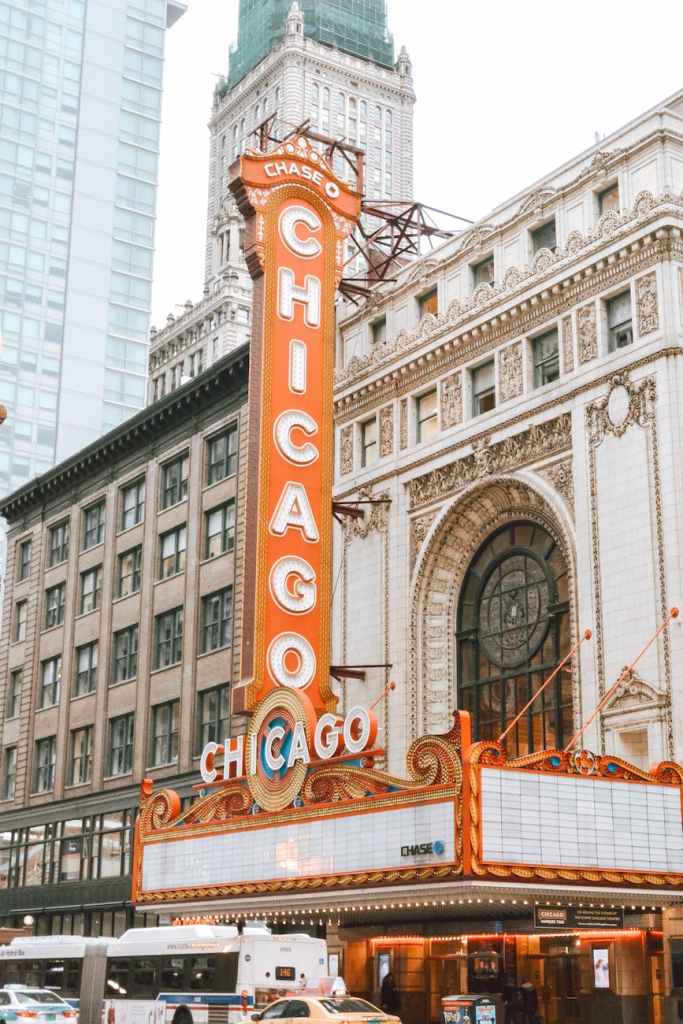
Photo by Amy Burry on Pexels.com

A few weeks ago, I wrote about ways to enjoy a book-themed vacation. Ideas ranged from a reading staycation with lots of beach reads to reading in a different location in your hometown. Another idea was literary tourism, either in your own town or in another location well-known for its literary history. Think London, Paris or San Francisco.

I’m fortunate to have grown up in Chicago, which has its own literary history. It’s the birthplace of numerous famous authors, such as Ray Bradbury (in suburban Waukegan), Sandra Cisneros, Gwendolyn Brooks, Richard Wright and mystery writer Sara Paretsky, among others. It’s also provided the backdrop for numerous books, films and TV shows.. With so much literary history, there’s much to see and do.

Here’s a quick rundown of what you can experience if you decide to make Chicago a literary vacation destination.

Museums, libraries and landmarks:

American Writers Museum – One of my favorite places to hang out, the American Writers Museum provides exhibits, workshops and author discussions, all dedicated to the art and craft of writing.

Newberry Library – Not only home to the world’s largest three-day book sale, but a great place to go to learn about genealogy. It’s also the backdrop for numerous scenes from Clark and Division, Naomi Hirahara’s historical fiction/mystery novel set in the late 1940s.  

Museum of Science and Industry. If you’re a fan of Erik Larsen’s Devil in the White City, check out the MSI, which is the only remaining structure left from the 1893 World’s Fair

Poetry Foundation – For those interested in poetry, this modern building is a beautiful setting that can inspire any poetic soul. With more than 30,000 volumes of poetry, the foundation’s library is the only one in the Midwest dedicated to poetry.

The Sulzer Library – Housed in a historic building on the northwest side of Chicago. Compare that to the modern setting of the main Harold Washington Library. Take a tour of local libraries, some housed in beautiful old buildings, like the one I frequented when I was a child.

Monandock building – Located in the South Loop among many other older office buildings, the Monandock building is where Sara Paretsky’s private investigator V.I. Warshawsky had her office. In fact, if you’re a fan of Paretsky’s work, you can visit all the locales mentioned in her books, courtesy of Chicago Bike Adventures.  

The Understudy Coffee and Books – When you’re ready to take a break from all the sightseeing, visit the Understudy, a theater-themed coffee shop and bookstore. Located in Andersonville on the north side of the city, you can browse books about set design, acting technique and plays.

Author homes in the city:

Interested in finding out where some Chicago authors were born and raised? Check out this map from the Chicago Literary Hall of Fame, which pinpoints key literary locations in and around the city. You can find out amazing details about some of the most prominent authors from our fine city, including:

L. Frank Baum, author of The Wizard of Oz, who grew up in a house at 1667 N. Humboldt Blvd. The home has received a Chicago Tribute Marker of Distinction. (Number 8 on the map)

Sandra Cisneros’ house, similar to the one that she described in The House on Mango Street. (No. 17)

Saul Bellow’s childhood home on Augusta Boulevard, which was given the honorary status of “Saul Bellow Way. (No. 11)

Nelson Algren fountain and his favorite saloon (No. 4 and 5)

Richard Wright’s home where he lived with his extended family from 1929 to 1932 (No. 33)

Outside Chicago:

Earnest Hemingway Birthplace and Museum – Hemingway may have made his home in the Florida Keys, but did you know he was born and spent his early life in Oak Park, outside of Chicago? Visit the old Queen Anne home where he was born, and check out the numerous artifacts from his childhood in the museum.
 
Ray Bradbury – Sadly the Ray Bradbury Experience Museum in his birthplace of Waukegan, closed in May 2023. However, you can still find memorabilia of his life and career at the Waukegan Public Library, such as his typewriter and a statue of him outside. His personal collection of books and artifacts will be on display at the Waukegan History Museum at the Carnegie, which is under construction as of this writing.

Carl Sandburg Historic Association Site in Galesburg – Born in Galesburg, Illinois is 1878, Sandburg was a Pulitzer Prize winning author of poetry and history. He also wrote biographies, fiction and newspaper articles, and was a lecturer and folk singer. With the help of the association’s driving tour brochure, you can visit all of the Sandburg historic sites in Galesburg. 

I’m sure there are plenty more literary themed sites to visit throughout the state that I have not mentioned. Wherever you go, keep it educational, literary and fun.

Magic Realism Brings Charm to Reading Fiction

Photo by willsantt on Pexels.com

Who doesn’t love a little magic with their reading? I certainly do. Lately, I’ve been fascinated by magic realism, a genre that’s been around for decades but is getting more exposure of late.

Popularized in Latin-American fiction, magic realism combines surreal and fantastical elements in realistic settings. Fantasy slips into everyday life seemingly as if they belong there. But they don’t exist simply for the sake of entertainment. The magical elements are intended to question or emphasize real-world situations, whether they be societal, familial or emotional, among other things.

The works of Gabriel Garcia Marquez, Salman Rushdie and Isabel Allende are frequently cited as key players in this genre. Marquez’s book One Hundred Years of Solitude is considered a classic and a must-read for anyone who wants to explore this type of writing either as a reader or a writer.

What makes a story magic realism? Three key characteristics set it apart from other types of fiction:

  • The story is set in the real world, not in a make-believe setting.
  • The story contains magical and fantastical elements that have real-world implications, whether to question the political environment, society or familial environments.
  • The story is written as literary fiction but without traditional plot structure. The story may weave back and forth between the past, the present and the future.

Reading these types of stories requires an open mind. You have to be open to the nature of the fantastical and the surreal. Most important you need to suspend judgment about what is happening on the page.

I’ve read several of these stories over the past few years, from the light-hearted (Garden Spells) to the deeper exploration of a man’s identity (Song of Solomon). Some I liked very much; others not so much. But each one left me looking at the world a little differently. Isn’t that what writing is all about?

Are there any magic realism books you’ve read that you’d recommend? Share them in the comments.

Six magic realism titles I’ve read:

1.  Garden Spells by Sarah Addison Allen. One of the first magic realism books I’ve read. This one reminds me a lot of Practical Magic with its two magical sisters. I love the garden setting, especially the apple tree that throws apples at people.

2.  The Night Circus by Erin Morgenstern. I loved this book by Morgenstern that pits two magicians against one another in a battle to the death – until they fall in love with one another. The magical creations at the circus are incredible.

3.  Practical Magic by Alice Hoffman. I have always loved Alice Hoffman’s writing, especially with the way she plays with plot lines and story structures. Historically, she has played with mystical characters and situations. PM is on the lighter side of her collection of works. It’s the first of a series about the Owens family who have been cursed in love for several hundred years.

4.  Like Water for Chocolate by Laura Esquival. Charming story about the youngest daughter in a Mexican family who longs to be with her beloved Pedro, but can never have a relationship with him because of a family tradition in which the youngest must take care of her mother until she dies. Tita is only able to express herself when she cooks.

5.  Song of Solomon by Toni Morrison. The story follows the birth and life of Milkman Dead, who was born after a man jumps of a roof while trying to fly. It’s a strange journey for Milkman, who grows up stifled and alienated. His aunt Pilate, a bootlegger and a conjure woman, becomes a central figure in his life who helps him understand his family’s past.

6.  The Particular Sadness of Lemon Cake by Aimee Bender. When young Rose bites into her mother’s lemon cake, she begins to taste her mother’s emotions – that of sadness and longing. She learns to navigate life with her strange ability.  
Six magic realism novels on my reading list:

1.  One Hundred Years of Solitude by Gabriel Garcia Marquez. When you talk about magic realism, Marquez’s book is considered a classic. It has set the standard that all other magic realism stories must live up to.

2.  House of the Spirits by Isabel Allende. Allende is on my list of must-read authors, and this title is considered a classic in the magic realism spectrum.

3.  The Snow Child by Eowyn Ivey. This debut novel set in Alaska in the 1920s tells the story of a couple so desperate to have a child of their own that they create a child out of snow. The next morning the snow child is gone, but in its place is a real little girl, wild and secretive.

4.  The Midnight Library by Matt Haig. Imagine going to a library where one book tells the story of your current life, and all the other books describe your life as it could be if you had made different choices.

5. Land of Love and Drowning by Tiphanie Yanique. An epic family saga set against the magic and atmosphere of the Virgin Islands in the early 1900s. Orphaned after a shipwreck, two sisters and their half-brother are faced with an uncertain future, but each possesses a particular magic that will either hurt them or save them.

6. The Ocean at the End of the Lane by Neil Gaiman. I’ve heard a lot of good things about Gaiman, so this title lands on my list. From Gaiman’s website, “This harrowing and bewitching tale of mystery and survival, and memory and magic, makes the impossible all too real.”


Must-Read Historical Fiction with Strong Leading Female Protagonists

Photo courtesy of The Regal Writer

March is Women’s History Month, and to commemorate the occasion, this week’s post will focus on historical fiction featuring strong female protagonists.

Throughout history, women have made huge contributions to our world – in science, politics, lifestyle, sports and, of course, literature. It makes sense to tell their stories to showcase their accomplishments. Even fictionalized accounts of real events can bring meaning to today’s readers.

Historical fiction can mean a number of things. It could be fictionalized stories that take place during  true events, such as World War II (Kristin Hannah’s The Nightingale), or it could be a fictionalized story of the lives of real people (Becoming Jane Eyre by Sheila Kohler).

While I don’t read a lot of historical fiction, I’ve read enough of them to compile my list of must-reads. Below are my top choices of historical fiction featuring strong leading female characters. They are not listed in any particular order. In some cases, I’ve included alternates choices.

Do you read historical fiction? Which of the stories you’ve read would you recommend?

* The Nightingale by Kristin Hannah

The Nightingale is the story of two sisters who find themselves facing life-changing horrors during Germany’s occupation of France during World War II. Vianne and Isabelle resist the war in ways they never thought possible. Beautifully written and at times heartbreaking, The Nightingale has one of the most poignant and memorable endings. It is currently being made into a movie starring real-life sisters, Dakota and Elle Fanning.

Alternate choice: Winter Garden, also by Kristin Hannah

Set in the year 70 C.E, 900 Jews held out for months against the Roman army on Masada, a mountain in the Judean desert. Historians say only two women and five children survived. Hoffman’s novel tells the stories of four bold and resourceful women, each of whom has come to mountain by different means. It took Hoffman five years to research and write this lengthy novel. Beautifully written but at times painful to read. Be patient; the book starts out slow and meanders in the opening section, but with each women’s story, readers get a view of the horrific pain and devastation that affected so many lives.

Alternate choice: The Museum of Extraordinary Things, also by Alice Hoffman

  • In The Time of the Butterflies by Julia Alvarez

    In November 1960, three sisters were found dead near their wrecked Jeep at the bottom of a 150-foot cliff in the Dominican Republic. A fourth sister lives however. The sisters, whose code name was Las Mariposas (the Butterflies) were leading opponents of the country’s dictatorship. The story is told through the voices of the four sisters who speak across several decades of their lives up until their deaths. I found the story intriguing and heartbreaking at times.

Set in Charleston in the early 1800s, The Invention of Wings tells the story of the two Grimke sisters, Angelina and Sarah, who became early abolitionists and advocates for women’s rights. When 11-year-old Sarah is given 10-year-old Handful to be her personal maid, Sarah balks. With alternating viewpoints, the story shows how their relationship evolves over 35 years.

Alternate: The Secret Life of Bees also by Sue Monk Kidd  

The only book on my list written by a man, The Book Thief is also set during World War II. While standing at her brother’s grave site, Liesel finds a book buried in the snow, which spurs her love of books. With the help of her step-father and a Jewish refugee that her family hides, she learns to read. Anyone who loves books and reading can empathize with young Liesel who goes to great lengths to spare books from destruction by Nazis. One of the few stories I enjoyed as both a book and a film.

  • Becoming Jane Eyre by Sheila Kohler

    Interestingly, I find this fictionalized account of the life of Charlotte Bronte far more compelling than the original Jane Eyre. The story covers the last nine years of Bronte’s life, her relationship with her father and sisters and how she came to write Jane Eyre.

In Memoriam: Remembering the Authors and Journalists We Lost in 2019

nature grass park plant
Photo by Negative Space on Pexels.com

Before we get too far into 2020, let’s look back to the past year and the talented writers we lost.

Authors

Toni Morrison, Nobel Prize winning author of “Beloved” and “Song of Solomon”

Anne Rivers Siddons, author of “Peachtree Road” and numerous other novels set in and around Atlanta.

Judith Krantz, bestelling author of steamy, sexy romance novels including “Scruples” and “Til We Meet Again.”

Herman Wouk, author of “The Caine Mutiny” died at age 103

Mary Oliver, Pulitzer Prize winning author of numerous poems about nature and animal life

Vonda McIntyre, award-winning science fiction writer best known for her Star Trek novels

Johanna Lindsey, bestselling author of more than 50 romance novels

Ernest Grimes, author of “A Lesson Before Dying” and “The Autobiography of Miss Jane Pittman.”

Graeme Gibson, Canadian author and conservationist who was also the long-time partner of Margaret Atwood

Betty Ballantine, who with her husband helped reinvent the modern paperback through Bantam and Ballantine book publishing groups.
Journalists

Cokie Roberts, highly-respected journalist known for her work on NPR’s “Morning Edition” and co-anchoring ABC News’ “This Week with Sam Donaldson and Cokie Roberts.”

Garth Reeves Sr., longtime publisher of the Miami Times and a prominent voice of Miami’s black community

Kathryn Johnson, journalist with the Associated Press who covered pivotal events of the Civil Rights Movement

Russ Ewing, well-respected TV reporter in Chicago

Steve Dunleavy, Australian-born tabloid journalist, columnist for the New York Post and lead reporter for the TV show “A Current Affair”

David Horowitz, consumer reporter best known for his work hosting the TV show “Fight Back!”

For more about celebrity deaths, visit Legacy.com.

24 Quotes about Writing by Women Who Write

book-2170910_1280
Photo courtesy of Pixabay


As Women’s History Month comes to a close, it seems appropriate to highlight some of history’s most prominent female authors. In their own words, here are their thoughts and musings about writing and the writing life. Let their words be an inspiration and motivation for your own work.

Do you have a favorite quote about writing, either from the collection below or one that is not represented?

“The best time to plan a book is while you’re doing the dishes.”
Agatha Christie

“Everything in life is writable about if you have the outgoing guts to do it, and the imagination to improvise. The worst enemy to creativity is self-doubt.”
Sylvia Plath

“I could not write a serious romance under any other motive than to save my life.”
Jane Austen

“The ability of writers to imagine what is not the self; to familiarize the strange and mystify the familiar, is the test of their power.”
Toni Morrison

“Writing nonfiction is more like sculpture, a matter of shaping the research into the finished thing. Novels are like paintings,  specifically watercolors. Every stroke you put down you have to go with. Of course, you can rewrite, but the original strokes are still there in the texture of the thing.”
Joan Didion

“You must not only know how to write, but you have to be privately, personally, sound at the core. Not sane, but sound. If not, it always shows.”
Martha Gellhorn, war correspondent

“To write something, you  have to risk making a fool of yourself.”
Anne Rice

“The book to read is not the one that thinks for you, but one which makes you think.”
Harper Lee

“If I waited for perfection, I would never write a word.”
Margaret Atwood

“I am a woman, and I am a Latina. Those are the things that make my writing distinctive. Those are the things that give my writing power.”
Sandra Cisneros

“Words are, in my not-so-humble opinion, our most inexhaustible source of magic, capable of both inflicting injury and remedying it.”
J.K. Rowling

“Language is an intrinsic part of who we are and what has, for good or evil, happened to us.”
Alice Walker

“I can shake off everything as I write; my sorrows disappear, my courage is reborn.”
Anne Frank

“Women and fiction remain, so far as I’m concerned, unsolved problems.”
Virginia Woolf, A Room of One’s Own

“Invention, it my be humbly admitted, does not consist in creating out of void, but out of chaos.”
Mary Shelley

“When I go back and read my journals or fiction, I am always surprised. I may not remember having those thoughts, but they still exist and I know they are mine, and it’s all part of making sense of who I am.”
Amy Tan

“After awhile, the characters I’m writing begin to feel real to me. That’s when I know I’m heading in the right direction.”
Alice Hoffman

“Good books, like good friends, are few and chosen; the more select, the more enjoyable.”
Louisa May Alcott

“Write about the emotions you fear the most.”
Laurie Halse Anderson

“Writing is a process, a journey into memory and the soul.”
Isabel Allende

“Writing is a job, a talent, but it’s also the place to go in your head. It is the imaginary friend you drink your tea with in the afternoon.”
Ann Patchett

“You should write because you love the shape of stories and sentences and the creation of different words on a page.”
Annie Proulx

“We write to taste life twice, in the moment and in retrospect.”
Anaïs Nin

“There is no greater agony than bearing an untold story inside you.”
Maya Angelou

12 Ways Reading Every Day Can Improve Your Life

women s yellow long sleeve shirt
Photo by Wendy Wei on Pexels.com

February’s theme is “For the Love of Books”

Over the past few weeks, I’ve written about our collective love of books – from finding books on a budget and downsizing a book collection, to honoring our libraries and independent bookstores and showcasing the best resources for book clubs.

The good news – perhaps the best news – is that books are alive and well, thank you very much. It doesn’t matter if you read books with an E-reader or the traditional print version, reading is more popular than ever. One wonders what any of us would do if we did not have books to read.

Much has been written about the benefits of reading, including scores of scientific evidence of its neurological and physiological benefits. Studies find that reading just 10 or 15 minutes a day can alter your brain’s functioning power.

A recent Lifehack article outlines some additional benefits to reading. Here’s how reading books can transform your life.

1. Reading stimulates the brain. Recent studies show that reading can slow the cognitive decline in dementia patients. The brain may not be a muscle in the traditional sense, but it can act like one in that it must be worked frequently to improve different cognitive functions, such as memory and math skills. The more you read, the stronger your brain becomes.

2. Reading expands knowledge. The more you read, the more you increase your knowledge of the world. Non-fiction helps you understand current events, science, technology, relationships and even your own pets. Meanwhile, reading fiction gives you insights into human behavior and motivation. Reading expands your view of the outside world.

3. Reading helps increase vocabulary and writing skills. As any professional writer can tell you, if you want to improve your writing and vocabulary, read a lot of books. Be aware of the writing styles too. As you read, it’s helpful to keep a dictionary handy in case you come across unfamiliar terms. Author Susan Reynolds in Psychology Today suggests firing up your writing brain by reading complex literary and non-fiction subjects, like science and art, which forces your brain to think more deeply, a skill that will help you become a better writer.

4. Reading is a form of relaxation and helps reduce stress. The most relaxing activity I know of is reading. Even reading for 15 minutes a day can slow down your heart rate and help you find your center again. Reading provides an escape from the pressures and problems of your day.

5. Reading increases tolerance for life’s uncertainties. A study cited in The Atlantic magazine finds that reading and writing can increase a person’s tolerance for uncertainty. Study participants who read short stories were less likely to need cognitive closure – to reach a conclusion quickly or were less likely to have an aversion to ambiguity and confusion. Reading teaches them that sometimes there are no clear cut solutions to problems and that not all stories end happily or at all. Fiction readers, especially those who were avid readers, were able to think more creatively and not get tied down to one idea.

6. Reading teaches empathy. An article in Real Simple magazine suggests that reading can help you understand a person’s emotions and motivations. By reading about different characters, whether fictional or true, readers can observe human behavior in action. When dealing with real life scenarios, they’re more likely to empathize with people going through difficulties.

7. Reading provides quality “Me Time.” Life can be stressful, and sometimes you want to get away from it all. But if you can’t take a vacation, immersing yourself in a good book is the next best thing. Think of it as a vacation for your mind. And because reading is a solo activity, it provides the quality “Me Time” most people crave.

8. Reading improves critical and analytical thinking skills. If you’ve ever read a spy thriller or a mystery novel and followed the clues to figure out “whodunit,” you’ve learned to use your analytical skills to solve the mystery on your own. Likewise, quietly observing plot development, character development, dialogue and story structure as you read along improves your thinking skills. But you don’t have to read just mysteries to achieve this. Non-fiction books can do the trick as well.

9. Reading helps improve focus and concentration. When you spend time alone with a book, the rest of the world just seems to fall away. When you read, you block out all outside distractions. It helps to turn off the TV and the radio too, which do little to build your brain’s cognitive function. The more complex the book, the more concentration and focus will be required.

10. Reading sets an example for kids. A friend of mine, who is an avid reader, once told me that she reads in front of her two young toddler sons so she can set an example for them. Studies back this up. Kids can develop an interest in reading early on simply by watching their parents read, or better yet, hearing their parents read out loud to them.

11. Reading can help you sleep better. Studies show that reading before bedtime can improve the quality of your sleep, as long as you read a printed book rather than an e-reader or tablet. The light from these devices can interfere with sleep. I’ve had nights when I lie awake at 4 a.m. and can’t get back to sleep. After reading for a half hour or so, I’m drowsy enough to get back to sleep.

12. Reading provides cheap entertainment. Reading is one of the cheapest forms of entertainment you can find. It doesn’t cost much to read a book (unless you purchased the book brand new). The only cost is the cost of the book, but even that can be minimized if you buy second-hand or borrow it. If you’re on a budget, reading is a low-cost option to entertaining yourself.

How Book Clubs Can Enhance Your Reading Experience

woman reading harry potter book
Photo by Dids on Pexels.com

Our February theme continues: “For the love of books”

Many years ago, I wandered into my favorite local bookstore called Transitions Bookplace & Café (which sadly, has since shut down) where they were hosting a book discussion meeting. I can’t recall what book they were discussing – something about mental health and relationships, I think – but the discussion drew nearly 50 people, far more than the store management anticipated. The group leader had difficulty keeping the conversation on track, and in fact, one particular man monopolized the conversation by talking about his own personal troubles. With so many people in the room, it was difficult to hear what individuals were saying. The group leader tried on several occasions to get the discussion back on track and to get more people involved in the conversation. Out of frustration, I finally left.

Other friends of mine have had more positive experiences with book groups. The key is to keep the group small, at least eight members and no more than 15, say experts, so it will be much easier to manage the discussion.

Starting a book discussion group can seem like a daunting task. Sometimes it’s better to simply join one. Whether you start a club or join one, think about all the different ways a book club can enrich your life and your reading experience. In addition to providing a means for socializing, a book discussion group enables you to:

* Learn about new authors.
Joining a book club opens up opportunities to read works from authors you may never have heard of. Or maybe you have heard of them but never read anything by them previously.

* Become familiar with different genres outside of your own interest. For example, if you don’t usually read nonfiction books, book club members may decide as a group to read two or three nonfiction books per year. As long as you’re open-minded about reading non-fiction, the experience can broaden your literary knowledge.

* Hear and discuss opinions and perspectives from other members. When you give everyone a chance to express their opinion, you learn to be more comfortable discussing complex and controversial subjects. Hopefully, you also learn to be more patient to give each member a chance to speak. You learn to listen, and though you may not agree with others’ opinions, you hopefully learn to respect their differences.

* Improve your capacity for literary analysis. When you’re part of a book club, you read books differently with an eye on discussion points. You might still enjoy the book, but you’re not reading just for pleasure anymore. You may also take notes while you read so you can prepare to discuss the book more thoroughly. It forces you to think more critically.

* Improve your ability to articulate ideas. Book discussion groups provide an outlet to test out ideas and formulate opinions. Book worms aren’t necessarily comfortable speaking their minds or sharing opinions. But with practice, more shy types can feel more confident in presenting their views in what they perceive to be a safer environment.

There are numerous sources online to help plan and participate in book discussion groups. Bookbrowse.com offers advice for starting a group, leading meetings and choosing books to read. The American Library Association offers tips for managing a book discussion group and provides some suggested questions in instances where there is no discussion guide. Also check out Bookmovement.com, which helps book clubs organize their book reading lists, maintain contact with their group members, and help clubs learn what other groups are reading. Reading Group Guides, a sister site to the Book Reporter, provides their own review guides for current releases which you can access by book title, author name or by genre.

With so many resources available and so many books to read, you’ll never run out of topics for discussion for your book group.

The key to a beneficial experience is to commit to the group experience. Going just for the food, drinks and socializing isn’t enough. Be on time, show up and stay engaged. Most important, be open to reading different authors and genres, participate in the discussions, and enjoy the camaraderie with friends over a shared love of books.

Readers: Are you involved with a book discussion group? What has been your experience?

Love to Read? Check Out These Book Review Websites

person using macbook
Photo by Burst on Pexels.com

February’s theme is “for the love of books.” 

Once you’ve finished reading one book, how do you decide what you will read next? For many readers, turning to online book review sites is the next best thing to getting a personal recommendation. These sites are especially appealing to those who prefer to read the latest releases. But it can be difficult to discern which of the newly published books are worthy of their time and money.

Book reviews – whether through an online review site or in a print publication – offers some perspective of what’s available. You’ll likely find two kinds of reviews: long-form reviews with a more thorough analysis of the book’s content written by a hired staff person or freelancer, and shorter reviews submitted by book fans, usually published on sites like Goodreads or Amazon.

There are more book review sites than ever before. The Internet and social media have made it possible to share opinions about the books we read more quickly and easily. I think this is in response to the growing number of newspapers and magazines that have downsized staffs and no longer have the resources to hire full-time book reviewers. Sites like Goodreads and BookRiot have successfully filled the void.

Book review sites have become a vital part of the publishing industry. Authors value them for providing an outlet to help them promote their books. My guess is that publishers like them too for a similar reason. These sites have created communities of readers from all parts of the world. They’re bringing the world together over a shared love of reading.

If you’re the type of reader who prefers to read the newest releases as soon as they come out, book review sites are the places to go to find out what is being published and by whom. If you’re the type of reader who likes being part of a reading community and likes learning about what other people are reading, book review sites can serve your needs well.

So what are the best places to go for book reviews? Here’s a rundown.

New York Publications — Most traditional book reviews are published by newspapers and magazines. The two that come to my mind are The New York Times and The New Yorker Page Turner section have extensive coverage of book reviews and literary criticism because, after all, New York City is where a good portion of the publishing action takes place. Most of these reviews are longer, more detailed pieces, so you can gain more thorough insight about new releases.

Goodreads — Several friends rave about Goodreads as the go-to source for everything-books. Read book reviews, keep track of books you want to read and find out what other people are reading. One of their highlights is their annual reading challenge. To participate, enter the number of books you plan to read in the coming year, then as you complete each one, update your tally to see your progress.

Kirkus Reviews – Launched in 1933, Kirkus Reviews is a book review magazine. Reviewing books is their forte, and they do it well. The magazine provides authoritative reviews of books weeks before they are released, and they offer a roundup of reviews for consumers in a weekly email that you can get delivered to your inbox. Kirkus also offers services to authors, such as marketing promotion and editing services.

Publishers Weekly – A publishing industry mainstay, Publishers Weekly covers industry news, author news, bestsellers, digital works and international. They also post publishing jobs and have a special section, BookLife, geared toward self-published authors.

Booklist Online – Geared toward librarians and libraries, Booklist is a publication of the American Library Association. But their Booklist Online site has reviews of adult and young adult fiction and nonfiction. They offer advice to librarians about what newly published books should be added to their collections. But their reviews can be helpful to any avid reader.

IndieBound.org – Geared toward independent bookstores and publishers as well as fans of indie books, IndieBound.org does a great job of supporting this niche industry. In addition to summarizing the latest independently published works, the site has a search feature so you can find an independent bookstore near you. There is no online shop at IndieBound.org because their goal is to get more people shopping at the nearest independent bookstore.

The Book Reporter – Operated by book fans, The Book Reporter provides reviews and news of the latest releases, but also posts their own guides for reading discussion groups.

The Millions – The online literary magazine covering the arts, culture and books. The Millions showcases new releases every week on Tuesday, which it calls New Release Day.

Book Riot – In addition to sharing book reviews on the latest releases, Book Riot posts a weekly podcast, All the Books, which is a roundup of book recommendations.

Bookbub – Fans of e-books will appreciate the Bookbub site for its news and reviews of e-books.

I’m sure there are many more online book sites you can explore. Don’t forget your local bookstore staff who are usually in tuned to the latest industry news and can recommend new authors and newly published works. There’s usually a staff recommendations section to browse as well.

Despite the many sources around, I still believe the best recommendations come from the people you know, whether that’s a sibling, a friend or your hair stylist. You can never go wrong with a personal recommendation.

So what about you? Where do you go to read book reviews and learn about the newest releases?

Cheap, Easy Ways to Build Your Home Reading Library

books school stacked closed
Photo by Pixabay on Pexels.com

February’s theme is “For the love of books.”

There’s nothing like purchasing a brand new book hot off the press. The pages are crisp and untouched by human hands and the cover art is still bright and vivid. But books, especially hardcovers, can be expensive. If you buy them frequently, the costs can really add up. Even with the 20 percent discounts some retailers offer for new releases, it barely makes a dent in the final cost.

Building a home reading library doesn’t have to put you in the poor house. You don’t have to pay full price to build your library. For starters, stay away from hard cover books, if possible, which automatically adds to the cost. If you’re willing to be patient, wait for the soft cover to be released, which is often cheaper. This, of course, is a no-brainer.

But there are other ways to acquire books without spending a small fortune. Here are a few places to look.

Public library – Naturally, the public library is the first place to check out. The books and other materials are free to use, but they don’t belong to you. After a few weeks, you will have to return them. While that can save on space in your own home, especially if you don’t have a lot of spare space to begin with, it can be disappointing to have to return a book you fell in love with. It’s also possible that you won’t finish the book in the set amount of time they give you, usually three weeks. That means having to return it and renew it for another three weeks. And who has time to trudge back and forth to the library? Still the public library is great for browsing book titles you’d like to own and learning about new authors.

Book swap – If you know a lot of other readers or you come from a family that likes to read, you may be in luck. Ask what they’ve been reading lately. If it’s something they would recommend, ask if you could borrow it. Even better, swap books with them. Book swapping keeps the books circulating instead of collecting dust on the bookshelf, and everyone involved has a chance to add to their literary knowledge.

Book sales/book fairs – Check your town for books sales or book fairs, which is a great hunting ground for new and used books. The books for clearance may come from libraries trying to downsize their collections and make room on their shelves for new items, and from book stores trying to sell their overstock. In Chicago, for example, there’s the annual Printer’s Row Lit Fest where you’ll find rows and rows for book vendors selling books at a deep discount and the Newberry Library book sale. It’s easy to stock up on reading materials for the entire year without spending a fortune. You can often find books for under three dollars.

Used book stores – There seem to be fewer and fewer used book stores in this era of e-readers and Amazon. Still, they can be fun to hang out searching for whatever strikes your fancy in your favorite genre.

Thrift shops – Thrift shops sell more than gently used clothes and furniture. Somewhere in a dusty corner are shelves of books, and they can be found fairly cheaply. If you’re not looking for anything in particular and don’t mind the run-down condition, a thrift shop might be a fun place to explore.

Little Free Library – In some neighborhoods, you may find a little wooden school house on a pedestal holding a couple of shelves of books. The Little Free Library is similar to a book sway, except on a more public scale with people you don’t see. You can donate a few books of your own in exchange for taking a few from their shelves. You can find out if there’s a little free library in your neighborhood by visiting their website.

Online discount retailers – If you prefer to shop online for your books, there are other options besides Amazon and Barnes & Noble. Check out a site like Better World Books, where you can buy clearance books for $3 or $4 each, and the proceeds go to benefit literacy programs and libraries.

Nonprofit organizations – Check out nonprofit groups in your area that specialize in literacy and writing programs benefiting under-served populations. For example, Carpe Librum and Open Books, both in Chicago, collect donated books for resale to help fund literacy programs. They’re store front shops are great places to hunt down titles on your must-read book list.

If you’re an avid reader like me, it can be helpful to keep a running list of book titles and authors that you’re eager to read. Carry the list with you in your wallet or purse as you go shopping or run errands. You never know when you will run across one of the titles in your day-to-day activities.

When you’re on a tight budget, shopping for books at full price can be impractical. But just because you don’t have a big budget for book purchases doesn’t mean you have to sacrifice your reading habit. You can still build your home reading library on a strict budget. You just have to know where to look.