
Writing a Novel Takes Practice

Photo by Ann H on Pexels.com

I’ve drafted several novels over the past few years, and one thing I’ve learned is that writing them is hard work. Really hard work. My writer friends assure me that my efforts will not go to waste. With each story I draft, I’m learning about the craft and I’m growing and maturing as a writer.

If you’ve ever attempted to write one yourself, you know how daunting it can be. There’s so much to learn. That’s why so many aspiring novelists give up and why many unfinished manuscripts land in the garbage bin.

But instead of throwing away those half-finished manuscripts, maybe what’s needed is a shift in perspective. Rather than call them a wasted effort, call them practice novels. 

I first heard that term “practice novel” several years ago at a writing panel discussion. One of the panelists described how she had been working on a particular story for months before deciding it wasn’t working, so she tucked it away into a drawer and began working on another story, which did eventually get published.

Practice novels are experimental manuscripts. They allow you to test out different story ideas and scenes and help you develop your story development process. It may never see the light of day, but may simply give you the skills and confidence you need to move forward with other projects that may get published.

Think of a practice novel as the opening act to the concert headliner or the appetizer before the main course. It whets your appetite to see what’s next. 

There are several specific ways that practice novels can help your writing.

* Practice novels are ideal starting points for beginning writers.
Many beginning novelists have no previous writing experience or have never published anything. Others might have earned a degree through an MFA program, but are still writing with the training wheels on. Practice novels can help beginning writers learn the art of storytelling, everything from plot structure, dialogue, character development, tension and conflict. You learn as you go, learning from mistakes, picking up helpful tips from other writers or by taking workshops. It’s a piecemeal process and a lengthy one. There are no short cuts. You could work on one practice novel for several months or years, but the time and effort is never wasted because you are continually learning and honing your craft.

* Practice novels help you develop good writing habits.
Drafting the practice novel helps you set goals for yourself and solve storytelling problems. You might pay more attention to how you think and feel, which aids in creating interiority for your characters. You may pay more attention to the world around you, observe others’ behavior, eavesdrop on peoples’ conversations and pay more attention to scenic details, like the exact color of the sky or how the leaves of the trees blow in the breeze. As you create your characters, you observe the world through their eyes or you may become more curious about what makes people tick. Practice novels enable you to notice your strengths and weaknesses as a writer, and what skills you need to develop. 

* Practice novels enable you to test out different genres and story ideas.
If you read a variety of genres, it’s only natural you want to experiment with each of those styles of writing. Perhaps you’re a fan of both romantic suspense and cozy mysteries, for example. While the two share common elements, there are also significant differences in the ways the stories develop. Practice novels enable you to experiment with both genres before deciding which one works best for your personal writing style and that particular story idea.

* Practice novels may never get published, but parts of them can be – later.
The whole manuscript may not be ready for publication, but there might be certain scenes or characters that can be integrated into other projects that will eventually get published. Which is why it’s not prudent to toss away a practice novel. You never know if a scene or character inspires a new story idea that does turn into a publishable work. The work you do on a practice novel is never wasted when parts of it can be used in future works.

* Practice novels can help you stick to a writing routine.
When you know you’re working toward a specific goal, like completing a novel, it’s easier to stay motivated to write every day (or almost every day). It’s also easier to find time to write, no matter how busy you are because you are immersed in your work.

If practice novels seem too big of a goal to pursue, try writing short stories instead. You can still hone your craft and learn the basics of creative writing, such as plot development, character arcs and pacing. By submitting your work to an editor or critique group, you’ll get feedback sooner, so you know whether your story idea is worth the effort.

Writing a practice novel can lay the groundwork for future success while helping you work out the kinks of your writing process. If you harbor any doubts or questions about your abilities, the practice novel can usually answer them. Furthermore, the time you put into them is never wasted because you can adapt pieces of it for other projects.

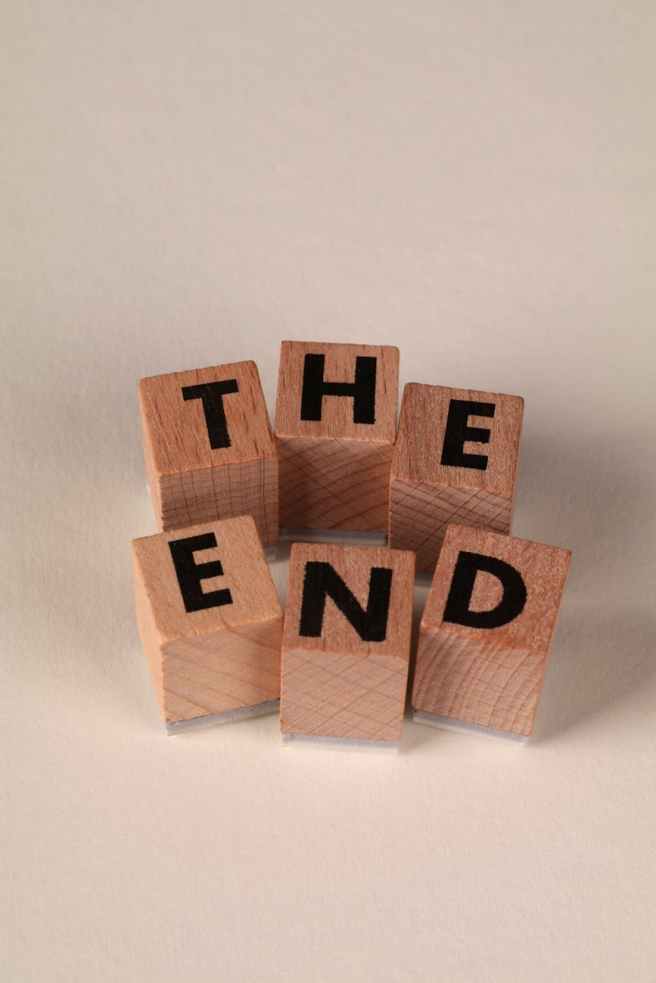
Whether the novel you’re working on is published or not, just completing a draft and writing “The End” is something worth celebrating.


Writing a Novel Summary

Photo by Andrea Piacquadio on Pexels.com

Last week, I wrote about drafting a novel synopsis as a means of working out plot issues. A synopsis is a detailed account of your novel complete with inciting incident, plot development, climax, resolution. Yes, it also includes all the spoilers. Most agents and editors require a synopsis when you pitch your manuscript. You can check out that post here.

A lot of folks confuse the synopsis with the plot summary, which is a shorter description of the plot. While a synopsis can be anywhere from two to five pages in length, a summary is usually several paragraphs and it doesn’t give away the ending. There are no spoilers with a summary. Check out this video presentation from Reedsy, which provides a clear explanation of each.

If you’re still confused, check out the book descriptions on Amazon and Goodreads or browse the back of books in a bookstore or library. You’ll find the plot summary there. In three paragraphs, the summary describes the main plot and primary characters, the problem they’re trying to solve and the stakes they face. The summary’s purpose is to pique the interest of readers without giving away the ending.

The plot summary has several common elements, described below. I’ve also included a couple of examples:

* The first paragraph introduces the protagonist, showcases their world and what they desire. The inciting incident sets the story into motion and hints at the conflict that the protagonist faces.

From The Messy Lives of Book People by Phaedra Patrick:

“Mother of two Live Green barely scrapes by as a maid to make ends meet, often finding escape in a good book while daydreaming of becoming a writer herself. So she can’t believe her luck when she lands a job housekeeping for her personal hero, mega bestselling author Essie  Starling, a mysterious and intimidating recluse. The last thing Live expected was to be the only person Essie talks to, which leads to a tenuous friendship.”

From The Henna Artist by Alka Joshi:

“Escaping from an arranged and an abusive marriage, seventeen-year-old Lakshmi makes her way from her 1950s rural village to the vibrant pink city of Jaipur. There she becomes the henna artist–and confidante–most in demand by the wealthy women of the upper class. But trusted with the secrets of the wealthy, she can never reveal her own.”

* The second paragraph describes the core plot and conflict without giving away the ending.

From The Messy Lives of Book People:

When Essie passes away suddenly, Liv is astonished to learn that Essie’s dying wish is for Liv to complete her final novel. But to do so, Liv will have to step into Essie’s shoes.”

From The Henna Artist:

“Known for her original designs and sage advice, Lakshmi must tread carefully to avoid the jealous gossips who could ruin her reputation and her livelihood. As she pursues her dream of an independent life, she is startled one day when she is confronted by her husband, who has tracked her down these many years later with a high-spirited young girl in tow–a sister Lakshmi never knew she had. Suddenly the caution that Lakshmi has carefully cultivated is threatened. Still she perseveres, applying her talents and lifting up those who surround her as she does.”


* The third paragraph, which may only be one sentence, hints at the resolution and how it might impact the protagonist’s future.

As Liv begins to write, she uncovers secrets from the past that reveal a surprising connection between the two women – one that will change Liv’s own story forever.”

“Vivid and compelling in its portrait of one woman’s struggle for fulfillment in a society pivoting between the traditional and the modern, The Henna Artist opens a door into a world that is at once lush and fascinating, stark and cruel.”

With each of these examples, you can see the progression of the plot summary, the description of the character, their desire, and what gets in the way of their achieving that desire. But also note how the summaries don’t give away the resolution, but only hints at its potential impact on the protagonist.

Try this exercise: As you work on your current manuscript, draft a summary using the three-step formula above. Preparing a plot summary can not only help you refine your plot, it can be used to pitch to potential editors and agents. 

How Drafting a Synopsis Can Help You Revise Your Novel

Photo by Suzy Hazelwood on Pexels.com

I’ve been in a bit of a writing slump lately. Perhaps it’s the summer heat that has zapped my energy or self-doubt rearing its ugly head again. Either way, I’ve had no motivation to work on my current novel project(s).

It’s enough to make this grown-up writer cry.

I’ve tried several things to get out of this slump:

* Writing scenes for a totally different story to see if it has legs
* Writing character profiles to better understand their backstory, needs and desires
* Rewriting a previously drafted scene with a different character POV
* Rewriting a previously drafted scene with a character that has aged 30 years

So far none of them has sparked any kind of excitement about my work. 

But there’s one more thing I’m trying: Drafting a synopsis of the story in the hopes it will help me spot plot holes before they grow into canyons.

For the novice writers, a synopsis is a comprehensive, detailed account of the novel from start to finish, including character arcs, plot twists, the climax and resolution. At two to four pages, double spaced, it’s usually written in third person present tense and is used to pitch your novel to agents and editors.

Writing a synopsis before drafting or revising your story can be helpful for two reasons, according to the Writer’s Block Party blog:

* A synopsis is the sweet spot between a query letter and a full outline
* It can help you stay on track during the drafting or revision process.

A typical synopsis includes the following elements.

* Initial premise/concept
* Setting – time and place
* Main character – what they desire, motivation, problems they’ll face as they pursue their goal.  Make sure you show what makes the character unique.
* Any side characters, allies, or friends – who will help the protagonist achieve their goal
* Antagonist or opponent – what do they want, how will their desires clash with those of the protagonist?
* Any potential love interest?
* Inciting incident – what sets the action in motion?
* Rising action and midpoint scene
* Logical plot development
* Climax and resolution

That’s a lot to consider in the early stages of writing. But the process of drafting the synopsis will help you see the scenes or elements of your story that are missing or need attention. Is the protagonist’s character arc lacking? Are their story goals clear? Are the stakes high enough? Is there enough conflict and tension to move the story forward?

In addition to the elements listed above, the Reedsy experts (watch the video in the link) recommend the following suggestions:

* Voice – Make sure you show strong narrative writing in the synopsis. If the writing is poor, editors and agents may assume the novel won’t be well-written either. Use voice to convey the book’s tone, mood and atmosphere.

* Plot twists – Include the key plot twists that they’ll find in your novel and set them up the same way so readers of your synopsis can see their impact.

* Themes – The synopsis should hint at any themes in your story to showcase the level of complexity. 

I like the idea of drafting a synopsis before the revision stage because it can help you refine your story idea, spot plot holes and create stronger character arcs.

If you’re just starting the drafting phase, you may only have a few scenes and characters in mind. Go ahead and summarize those scenes and build your story synopsis from there. You can always go back to refine the premise and plot points as you think of new scenes.

Another advantage of creating the synopsis before revising is that it’s a working document so you can jot down plot details to see if they’ll work. That way you won’t forget them or lose track. They’re all written down for future reference. However, as you draft and revise your manuscript, those scene and character details may change, so be flexible.

If you ever feel stuck while revising, try writing the synopsis. It might just be the key to unlocking your creative inspiration so you can plan a better story.

How to Get Over a Mid-Summer Writing Slump

Photo by Ben Mack on Pexels.com

This post was originally published in 2022, but the topic is as pertinent now as it was then.

Ever have those days when you simply don’t feel like writing? Funny that those days seem to occur most often during the summer. Blame it on the heat that makes everyone feel lazy. Or the distraction of summer activities – picnics, parties, the beach, outdoor movies in the park. When it’s summer, the last thing you want to do is work. And writing is work. A lot of work.

Conversely, maybe you’re too busy with work assignments and deadlines to squeeze in any pleasurable writing time. Despite my busy schedule, I feel like most days I’m waiting for email responses, interview confirmations and reviewed manuscripts, which make me feel like I’m not getting anything accomplished.

Welcome to summer, where everything and everyone seem to slow to a crawl. That includes your writing practice, which can feel like you’re in a race with snails.

How do you get back into that creative flow? How do you keep your writing practice going when there are so many summer distractions and obligations to take care of? Here are a few strategies that have worked for me. They might work for you too.

*Shorten your schedule. It might be necessary to shorten the schedule. For example, instead of writing every day, cut back to three or four days a week. If all you can give to your writing is three days a week, then go with that shortened schedule. Then when summer ends and activities slow down, you can always go back to writing every day. The most important thing to remember is to keep to some kind of schedule so you don’t lose momentum or motivation.

* Write in the early morning. If you can’t find the time to write during the day, try writing before breakfast. Many writers swear by this practice. It’s quiet at that early hour before the rest of the world awakes, and you can actually hear yourself think. You might be able to do your best work then.

* Write in the evening. If the early morning does not fit your schedule or appeal to you, try writing after dinner or before bedtime. You might find it more relaxing and it might help you get to sleep.

* Write in short bursts. Sessions of 10 to 15 minutes can help you stay productive. You’d be surprised how much you can get done in that brief amount of time. Check out my earlier post about writing in 15-minute sessions.

* Skip a day or two. It’s okay if you have to cut back on writing time to make room for other activities. Just don’t extend it too long or you might have trouble getting motivated to start writing again. Engage with the outside world and exploring new people and activities. They can only help to enrich your writing.

* Focus on non-writing activities. With less time available, writing may not be practical. Use your time instead to read about the writing craft, do research for your work-in-progress, or study the works of a favorite author.

*Set small goals. Setting smaller goals will feel less daunting and may be easier to achieve. Set a goal for writing one page a day. Or 1000 words a week (or about 200 words a day). By writing one page a day, you can still make steady progress toward your larger writing goal.

If none of these suggestions work, then try this exercise. Close your eyes and imagine your life without any kind of writing at all. What if you never wrote another word again? How would that make you feel?

If you see that your world would be drab and empty without writing, then use that vision as a catalyst for your writing practice. Use it as motivation to keep writing.

Summer brings all sorts of temptations that can drag you away from your writing practice. But with proper planning and setting small goals, you can still make progress while enjoying all that summer has to offer.

Creative Writing as a Form of Self-Care

Photo by Negative Space on Pexels.com

Creative writing is often looked at through a kaleidoscope of experiences: as a career path, a hobby, or simply a way to communicate. But writing as a form of self-care is a different lens altogether.

Most people, I suspect, are too focused on the practical aspects of writing to consider it as self-care. They’re more focused on writing as a critical work skill or a means to publication. Also most self-care routines are focused on the physical body – proper sleep and nutrition, physical exercise, hygiene, etc. But creative writing requires mental and emotional energy. It can feel more like work rather than a way to relax or take care of yourself.

“I remind myself, over and over again, that writing fiction is an act of self-care. And self-care isn’t selfish or inaccessible,” writes Sweta Vikram, a speaker, author and holistic wellness coach. “Taking care of yourself….is important! It not just helps you feel better, but [it] also fuels your creativity and supports you to perform better in the long run.”

The University of Greater Manchester (U.K.) outlines numerous psychological benefits to creative writing, including:

* gaining mental clarity
* increasing self-esteem
* expressing emotions
* boosting creativity
* strengthening memory and attention span

With so many wonderful benefits to creative writing, it’s no wonder so many people gravitate toward it. Writing is a healthy habit that anyone can develop, no matter what age or level of education they have. In addition to the university’s outlined benefits, here are a few others I’ve noted through my experience.

* Helps reduce stress. Writing is one of the most relaxing activities I’ve experienced. I feel amazingly calm as I write, no matter what I’m writing about. The action puts me in a zone that is free of pressure and stress. The process of creating stories is also fun, which also lowers stress levels.

* Emotional release. Creative writing as self-care can help you deal with emotional issues as they arise and make sense of them. Perhaps you don’t quite understand why you’re feeling angry or sad. Writing can help you sort out those feelings. While writing won’t make those problems go away, it can make them seem more manageable.

* Clarity of thought. Our brains may feel jumbled with so much incoming stimuli, whether it’s social media, news stories or simply our workplace. Writing sifts through all that so you can make sense of what you see, hear and experience of the world.

* Improved communication. Not everyone communicates well verbally. Sometimes written words do a better job of communicating our messages than speech. 

* Quality alone time for yourself. It’s not always easy to find alone time amidst demands from bosses, clients and families. But that alone time is important to reconnect with yourself and help you become aware of your thoughts and feelings. Writing is the perfect activity to do during that alone time. 

* Creative self-expression. We all need to express ourselves, and writing is one outlet at our disposal. Writing as self-care is an opportunity to tap into your creativity and find the story you want to tell.

How do you add writing to your self-care regimen? Writing as self-care doesn’t (and shouldn’t) require a lot of time, but even 10 minutes can make a difference to make you feel centered and focused. Here are some ideas for using writing as self-care.

1. Freewriting. Set a timer for five or ten minutes, then using pen and paper, start writing freely without picking up the pen from the page. Allow your thoughts to flow to the page.

2. Use a prompt. If you don’t like staring at a blank page, a prompt can unlock your creative flow. Some of my favorite prompts are “I remember” and “What if?”

3. Do a brain dump. Using bullet points, make a list of everything you’re thinking and feeling. Don’t judge yourself. Simply write whatever is happening in your mind and body.

4. Find a photo from a family album and write about what you see. Alternately, find any photo that inspires you and write about your feelings when you look at it.

What to do when you can’t find that alone time? I say, write wherever you are. Even if it’s dreaming up scenes for your novel while doing the dishes, or crafting several paragraphs in your head as you shower. When you think of writing as a form of self-care, you may be more inclined to make time for writing.

I’ll leave with this final thought from Sweta Vikram: “Make room for the writing that nurtures us, not just what supposedly sells or our profession expects us to deliver. Just being able to write what you want to write is ample self-care on some days.”

What do you think? Is creative writing a form of self-care?

Where to Find The Best Story Ideas

Photo by Pixabay on Pexels.com

As writers and creatives, we’re always on the look out for unique story ideas. But sometimes our minds draw a blank about what to write or how to kickstart the imagination.

I’ve found over the years that the best source of story ideas is my personal experience and my reaction to what’s happening in the world – from the people I know (and don’t know) to the places I’ve visited and the books I’ve read. Everywhere you look, you’ll find some nugget of inspiration. Awareness and staying relaxed are keys.

When you’re struggling to find good story ideas, there are a few things you can try to shake up the creative genius within you.

1. Start people-watching. Choose a semi-crowded public space, like a cafe, a bookshop or a doctor’s office. Settle in somewhere where you can observe the people around you. When you notice someone intriguing, create a story about them.  For example, the barista serving your coffee looks harassed and distracted. Imagine what her story could be. Write her as the protagonist in your story, give her a different name, then reimagine why she is so distracted on the job.

2. Watch a movie or TV episode. Sometimes watching a movie or TV show can spark an idea for a new story. Perhaps you didn’t like how the movie ended. Rewrite it the way you think it should have ended. Maybe you were intrigued by a minor character. Why not draft a new story featuring that minor character that intrigued you.

3. Re-read a beloved book. When you’re feeling stuck, sometimes reading a beloved book can spark an idea or reinspire you to write again. This time, though, pay attention to the subplots and minor characters. Challenge yourself to create a new story for that minor character.

4. Look through photographs. Photographs have a way of telling a story through images and symbols. There’s always a story behind that photo. Find one that speaks to you. Author Sarah Addison Allen posts a super-short story every Sunday on her social media inspired by a random photo. Each story is only about 200 words, but they capture the mood and spirit of the photo. Browse through magazines or check out photo sites on the web to find one that inspires you, then write the story that inspires you from it.

5. Re-visit a place that you loved as a child. Is there a place you and your family visited when you were younger that brought you happy memories? Consider writing a story set in that locale, capturing all the details to make it authentic. Write about the food, the architecture, landmarks, the people, the sights and the sounds that you remember. Any memorable setting can inspire a fresh new story.

6. Read the newspaper or a magazine. Stay current on today’s news. Learn about current events or read profiles of outstanding people, especially those who have overcome struggles to achieve greatness. Re-imagine those events for your story, or re-create those people as characters. Much of what you see in best-selling novels borrow from news stories.

7. Recall your dreams. Keep a dream journal and jot down the dream with as much detail as you can recall. Note how you felt within that dream. If you’ve ever dreamed of falling, being chased or watching a storm, those moments can be captured for your creative work, especially as you capture your emotional response in that dream.

8. Play the game of “What if?” If you’re feeling stuck, try using this writing prompt to get the creative ideas flowing. On a sheet of paper, write “what if?” at the top. Then create a bullet point list of possible answers. For example, what if someone woke up one morning and found that their teeth were missing? Or what if one of your beloved childhood pets came back to life and visited you? That one simple question can unlock possibilities you hadn’t expected.

9. Use a story prompt generator. If you’re really desperate to find ideas, you can always use a story prompt generator like Reedsy or Service Scape. You can use the ones provided or change it up with a different setting or relationship dynamic. 

If you prefer to find your story ideas more organically, the following tips might be helpful:

* Relax your mind and your body. I think some of my best ideas have come to me while in the shower or waking up from sleep. When your brain is overstimulated, the ideas won’t flow, no matter how much you try to prime the pump. So find ways to relax your mind so your imagination operates more efficiently and sends story ideas to you.

* Be aware of your surroundings. Wherever you go, whether it’s the grocery store, the doctor’s office or the local pub, note the people and the settings you pass by. Be an unobtrusive observer of life. I suggest carrying a small notebook to take notes of what you see or record them on your phone, especially if it’s an unusual place, person or conversation.

* Be aware of how you react to certain events and people in your own life. This is more an internal assessment rather than an external observation mentioned above. The more intense reactions will clue you in to what you feel is important about that experience. Then use that experience to mold a fresh new story idea.

Story ideas abound all around us. Stay relaxed and be aware of the people and situations around you, and you’ll never run out of story ideas.

What a Book Coach Can Do for You

Photo by mentatdgt on Pexels.com

For the last few years, I’ve been pushing my way through several novel drafts. By the end of the draft phase, I tend to lose interest in the story because it’s out of my system. Worse, I have to deal with the revision process, which is so daunting that I keep putting it off. Needless to say, I have several WIPs in my file drawers collecting dust. 

This year, I made it my goal to tackle a revision. I knew it would take a lot of work, but I wasn’t sure how to begin or what the process looked like. I knew I needed help.

So I bit the bullet and signed up for a three-month group coaching program, which includes writing sprints several times a week, craft lessons and live feedback sessions. It’s a small co-hort, only six of us including our coach, Karyn Fischer of Story and Prose. There’s comfort in knowing that other writers in this group are dealing with similar issues about plotting and revising that I am. And because it’s only for three months for several hours a week, it’s not a huge investment of time, and it will carry me through most of the summer. As you know, it can be tempting to slack off during the summer, so this program will keep me motivated. 

Entering the third week of the program, I see the following benefits:

1. Accountability. With summer fast approaching, it’s easy to slack off or find other things to do. A coach keeps you accountable for your own efforts. Whether it’s through weekly craft lessons, monthly feedback sessions, or writing sprints, having someone else to report to can help you make consistent progress.

2. Goal setting. During our first meeting, each member in my group shared what they hoped to accomplish during the three-month program. We do the same before each sprint session.  When I go into those sessions, I have to have a clear idea what I’m doing for the next hour. That goal setting keeps me accountable for my actions so I keep moving forward, even if they’re baby steps. 

3. Community. Being part of a small coaching group has its rewards. We’re all in the same boat, struggling with similar problems with our revisions. Knowing that provides some comfort and keeps me motivated to keep working.

4. Feedback. Before the group session began, I submitted the first chapter to Karyn for her review. It was a scary proposition because I hadn’t shown my work on that novel to anyone else. But I needed some direction and encouragement so I wouldn’t feel I was wasting my time. She pointed out details in my story that I had overlooked, and questioned the authenticity of the dialogue. (“Would her client have actually said that?”) Sure, it was a little hard to take the criticism, but she made good points and it gave me something to work around in my next revision. If you want to improve your story, getting feedback from a trusted beta reader or qualified coach is important.

5. Education. Since most book coaches are published authors themselves or have earned an MFA, they bring that knowledge and experience to the table. They’ve gone through the writing and publishing process before, so they can share their knowledge about craft issues, such as plotting, character development and story structure.

6. Writing progress. Several times a week, the group meets for one-hour writing sprints, though there’s flexibility about what group members can work on. No matter how we choose to use our time – whether it’s revising a scene, reading up on craft, or doing a beta-read of their manuscript – we’re all making progress on our story. By the end of that hour, I know I’ve made some progress, even if it is a small step.

A few final suggestions:
* Consider group coaching to start, which may save you a few bucks rather than working one-on-one.
* Many coaches provide short-term sessions or workshops so you can see how they teach.
* Sign up for their newsletters, which will reveal their expertise as well. You can always unsubscribe from the newsletter later if you find you’re inundated with material or their content isn’t helpful.
* To find a book coach, check out sites like Author Accelerator, which offers resources and certification for book coaches. Then check out their websites to see if they’re a good fit.

Writing is a solo endeavor. But working with a book coach, whether individually or in a group, can help you stay motivated and keep you focused on your writing goals. 

What about you? Have you worked with a book coach? What was your experience like? 

Feeling Overwhelmed by Your Writing? Here’s How to Deal with It.

As writers and creatives, we occasionally experience those moments of overwhelm–when it seems many tasks and projects hit all at once fighting for our attention. Or maybe it’s not many things but one gigantic project that stops us in our tracks.

The good news is that this feeling is quite common, and perhaps even a natural part of the writing process. Though when you’re going through it, it feels like you’re the only person in the world suffering.

For me, the overwhelm struck after I had completed a rough draft of two separate novels. I stared at the pile of pages wondering “Where do I begin to sort through this mess?” The thought of revising my work filled me with dread. The overwhelm I felt stopped me in my tracks, and I struggled to get started on the revision phase. It’s only recently that I jumped back into the project once I realized that the reason for the overwhelm was that I didn’t know how to proceed with my revision. I didn’t have a plan.

I’ve noticed that when overwhelm occurs to me, it’s usually under one of the following circumstances:

* High expectations of myself (also called perfectionism)
* A supersized project that I’ve poured my heart and soul into
* Writing about an unfamiliar topic
* A super tight deadline
* Too many projects of multiple sizes hitting at one time
* Too many story ideas begging for my attention
* Any project where I feel unsure about what I’m doing

I’ll discuss each of these circumstances below, but know that the feeling of overwhelm happens to all of us at one time or another. While the emotional toil can be difficult, I’ve found that each situation requires rethinking how to perform the writing tasks at hand and setting new priorities.

1. High expectations/perfectionism. Sure, it’s important to think big, to envision success for your writing project. But sometimes what you produce on the screen/on paper doesn’t match up with what you originally envisioned inside your head. That can be a tough pill to swallow. Not only does it not match, it’s far from perfect, which can further dampen your enthusiasm for the project and steal your momentum. The image of perfectionism can fill you with overwhelm that’s hard to dig out of. It’s helpful to remember that nothing is truly perfect when you start writing. Think of your project as a stone that is raw and misshapen before it’s cut and polished into a bright, shining diamond.

2. One supersized project. Like my recent work-in-progress, a supersized project can be daunting to complete, like climbing a mountain. It might help to break the project into smaller chunks so they’re easier to manage. For example, if writing a book, try writing and editing several scenes at a time to make sure they flow well and make sense. Tackling a few scenes at a time also gives you a sense of accomplishment. When you see the progress you make, that feeling of overwhelm will likely subside.

3. An unfamiliar topic. As writers, we may have to write about things we know nothing about. Sometimes that lack of knowledge can be overwhelming and prevent us from making any real progress on our current project. Yet, our writing success requires that we develop that knowledge. Whether you’ve been assigned a topic by an editor or you’re doing background research for a novel or memoir, embrace that opportunity to learn and grow. Take the time to read articles or talk to an expert about the work they do. Writing is all about learning. 

4. A super tight deadline. Deadlines and fast turnarounds can feel overwhelming when it’s thrust on you out of the blue. It’s helpful to set aside non-essential tasks and focus on the most important tasks first. It can feel freeing to get past the hard work first before doing simpler tasks.  If you’re feeling truly stuck, consider requesting more time from the client or boss so you get some breathing room.

5. Too many projects to juggle. Sometimes the overwhelm occurs when you’re dealing with multiple projects of various sizes and deadlines. That’s when your organizational skills can really shine. Similar to the tight deadline, it’s important to set priorities. Work on the projects that are the most pressing or have the more immediate deadline. If anything should fall through the cracks, it probably wasn’t that important to begin with.

6. Too many stories begging for your attention. You might be working on one project while another story idea tantalizes you from beyond. While it’s tempting to switch gears, chasing after every new, shiny idea can be counterproductive and slow your momentum. What I’ve done in these situations is to draft notes about the new, shiny idea, which should only take a day or two. It might help to keep a spreadsheet of all your story ideas with a brief summary of the plot and  descriptions of some of the characters. That way you won’t forget your bright, shiny idea, and you can get back to your current project.

7. Not sure what steps to take next. The feeling of overwhelm may result because you don’t know what your next steps should be. When I struggled with the revision process of my novels, it made me feel stuck and overwhelmed. I took a time out to research various approaches to revision until I settled on an option that I felt would work best. Now that I’ve settled on one,  courtesy of Jessica Brody and Writing Mastery, I’m finally making progress. So if you’re feeling stuck because you’re unsure what the next step should be, take the time to research several expert opinions and experiment with them to see which one works.

There will always be moments when writing feels overwhelming. That’s a normal part of the writing process. When that happens, take a step back and observe your work with a critical eye. Once you understand what’s making you feel overwhelmed, you can take the steps to unblock yourself and move your project to a successful conclusion.

15 Writing Ideas for Your 15-Minute Writing Session

Photo by Kaboompics .com on Pexels.com

The following is an edited post from six years ago, but the ideas are just as pertinent today as it was then.

One of the most common complaints I hear from writers for not writing is the lack of time in their schedules. That’s understandable with all the responsibilities we’re juggling these days, whether it’s work (or looking for work), household chores, taking care of kids or parents, and maintaining an active social life. Yet writing every day is helpful to create a consistent practice.

Fortunately, you don’t need hours of time to write. Try 15 minutes. Where can you find those pockets of time to sneak in writing? If you can find 15 minutes in your schedule, whether that’s part of your lunch break or waking up earlier or eliminating social scrolling time, you can accomplish more than you think. Sometimes 15 minutes is all you need to make progress towards your writing goals.

Stop worrying about finding more time to write. Even if you did have more time, would you use it for writing? Or would you find other ways to use it, like housework, sleeping or catching up on the latest streaming shows?

Because here’s the honest truth: It’s not about finding more time to write. It’s about having a system that allows you to make better use of the time you do have.

Start with a simple goal. What do you want to accomplish? What do you want to write about? Are you experimenting with flash fiction? Or are you trying your hand at poetry? There are plenty of ways to use your writing time. If all you have is 15 minutes, here’s how you can use that time:

1. Freewrite. Set a timer, then put your pen to paper and begin writing. Let the ideas flow from your brain to the page. Aim to write 100 words every session – at a minimum. Do not stop to edit or rethink what you just wrote. Just keep writing. You may be surprised at the ideas that you see on the page afterward. If you do this consistently, over 10 sessions (aiming for those 100 words), you should be able to complete a 1,000-word essay.

2. Draft a dialogue. Create a scene in which two characters have a conversation. Start with one character asking the other character a question. See where that dialogue takes your characters. Avoid writing back story or other narrative. Focus only on the dialogue.

3. Describe an object. Choose an object on your desk or somewhere close to you. Then write about it using descriptive details, such as color, shape and texture. Use the item in a short story or essay. How was the item acquired? By whom? What is the story behind that item?

4. Write an animal story. Draft a story featuring your pet and give it a voice. Write a few paragraphs as if the pet is speaking to you. What would the animal say? Would he lavish you with praise, or whine and complain that you don’t pay enough attention to them, or give enough treats?

5. Brainstorm potential story ideas. Create a bullet list of stories you’d like to write. It might help to use prompts like “I remember” or “What if?” to jump start the ideas. At the top of the page, write the prompt, then fill in the blank. For example, I remember…my first day at school, learning to ride a bike, getting my first story published. Then from the list, choose one that resonates most and begin writing about it.

6. Write a book review. Recall the last book you read and write a review about it. Alternately, write a review about a movie you watched. What did you like or did not like about it?

7. Write the final chapter. Review your current work in progress and draft the ending. Sometimes by writing the ending first, you have a clearer idea of how to start your novel.

8. Write about a vacation you took. Browse through vacation photos, old or recent. Describe the place as you remember it. Add as much detail as you can recall.

9. Create a character sketch. Think about your protagonist, antagonist or other major character. Describe their appearance, then write as much detail as you can about their personality. What do they want? What does it mean to them? What is the character’s back story?

10. Write about a dream. Recall a dream you had recently. Then write the dream as a scene in a book or movie. Be sure to include as many details as you can remember.

11. Write a letter. Is there a friend or loved one you haven’t seen in a long time? Draft a letter to someone you care about. You don’t have to mail it, just focus on expressing your heartfelt emotions. Alternately, write a letter to a historical figure you admire and wish you could meet. What would you say to them?

12. Play writing games. For example, choose three words at random from the dictionary (close your eyes, open to a random page and let your finger stop on a word) and write a story using those three words. The story can easily be two to three paragraphs.

13. Rewrite the ending of a book or movie. Think of a book or movie in which you did not like the way it ended. Rewrite the ending. Remember you only have 15 minutes, but you can jot down the key ideas.

14. Write a story about the sounds you hear. What do you hear? Describe the sounds and the images that come to mind when you hear them. Are there birds chirping? Is there a plane flying overhead? Is someone playing their stereo loudly?  You can do this same exercise with other senses as well, such as touch, taste and smell.

15. Write about a piece of music. Listen to a song you love (or alternately, one you dislike). Try an instrumental piece with no lyrics. Close your ideas as you listen to it. What images come to mind? Does it bring back any memories? Then write about the music. Does it inspire a story?

No matter how busy you may be, I believe you can always find time to write, even if it’s only 15 minutes. Your writing practice shouldn’t suffer because your time is limited. As long as you have the desire to write, you can make space in your schedule for it.

If you like this post, please feel free to share it with your friends.
Don’t forget to check out the latest writing prompt: Write a scene or short story about someone getting lost while hiking in the woods.

Eight Ways to Reconnect with Your Writing

Photo by cottonbro on Pexels.com

As much as I loved the holidays, I’m glad they’re over because I’m ready to get back to the business of writing. I haven’t looked at my current work-in-progress or completed any meaningful projects since October, and I have felt disinterested in any form of writing.

Now that 2026 is here, I’m ready for a fresh start but at the same time, I dread tackling the massive revision I’ve been putting off the past few months. Since then, I have felt disconnected with my writer self. Between the holidays, illness and a sore foot, I’ve had little interest in writing, not even a short story or essay. My only consolation is that several other writers I know have expressed similar experiences.

What does that disconnection look like? For me, it was staring at blank pages and having a calendar with no interviews scheduled. It also was a series of avoidance tactics and excuses for not writing. Anything to get out of my commitment to write or work on my novel. Everything felt like an effort. Disconnection affected my physical body too, such as brain fog and a general emptiness inside.

The good news is that there are numerous ways to climb out of this lull in writing activity and reconnect with your writer self. All it really takes is 15 minutes a day and a little ingenuity. Below are some of the tactics I’ve used to reconnect with my writing and jump back into a creative mindset.

1. Start your day with a warm-up writing exercise or brainstorming session. On a blank sheet of paper and pen (or your computer screen if you prefer) jot down whatever topics come to mind. It could be a bullet list of story ideas, a description of something you see out your window, or a description of the last thing you ate. You could write about your pet, your best friend, your spouse or your boss. Maybe write a quickie review of the last movie you watched or the last book you read. You don’t even have to keep what you write. The point of the exercise is to simply put words down on the page, so your creative juices start flowing again.

2. Write in your journal. If you already write in a journal, congratulations. If not, a journal can serve as a useful starting point to get back into a writing routine. While the exercise above is more about taking stock of your surroundings, the journal is meant to help you explore your internal landscape–your thoughts and feelings. Again, start writing for 15 minutes and see where it takes you.

3. Take a walk in nature. One of my writer friends swears by this technique. Whenever she feels stuck when writing a scene, she walks in nature, usually with her dog. By the end of an hour or so, her mind has cleared and she’s resolved her writing problem. The next time you feel stuck in your writing or need to reconnect with your writer self, go for a walk. Then when you feel refreshed, sit down at your desk and start writing, even all you write about is what you saw on your walk.

4. Use a writing prompt. If you’re still staring at a blank page, try using a writing prompt to get the words flowing. One common prompt is “I remember…” Fill in the blank with any number of situations you remember from your life. Other possibilities include: “What if…” and “I believe…”  There are plenty of other sources for writing prompts you can find online, such as Reedsy and Writers Digest.

5. Re-read something you wrote and published previously. It will remind you of the success you’ve had in the past. Would you do anything differently? Perhaps rewrite paragraphs differently, or give it a different ending? By re-reading something you wrote, you might feel encouraged to try something new.

6. Find a writing buddy or join a group write-in. As writers, we tend to spend a lot of time alone in our own imaginations. But spending time around other like-minded souls can motivate you to write again. You can bounce ideas off each other, swap writing tips and review each other’s work. Besides, it’s comforting to know that you’re not alone, and that can be enough motivation to keep writing. Group write-ins are similar but in a group setting, like a library or classroom. Everyone is writing. There is a feeling of community when you’re all working alone, but together (if that makes any sense).

7. Skim through a book (or two) about writing. One way to reconnect with writing is to read about writing technique. Learning something new can inspire you to experiment with it in your own writing.

8. Sign up for a workshop or webinar. Much like reading about writing, taking a workshop or webinar can inspire you to try out a new technique, or to look at your own work with a fresh perspective. Or check out some videos on YouTube to get into the spirit of creative writing again.

No matter which strategy you try, remember to start slow and ease into your writing routine, one day at a time. You don’t need to spend hours either. Sometimes all it takes is 15 minutes. Before you know it, you’ll be reconnected with your writer self in no time.