
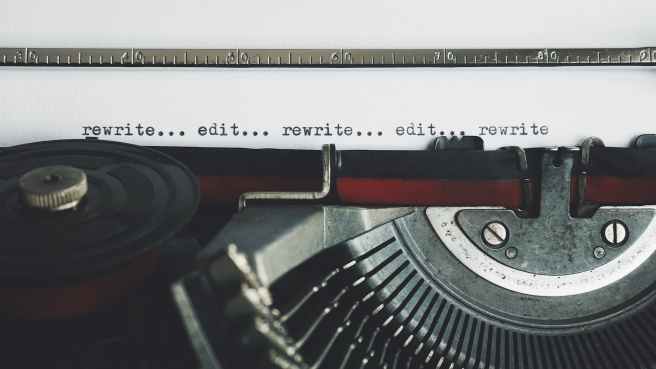
It’s the dog days of summer, and I’ve gotten a bit lazy. The last thing I want to do this week is research and write a new and lengthy blog post.
Still, there is so much valuable insights and advice to share about the writing process. So this week, I’ve compiled some of the best tips from literary agents and published authors as they shared with the editors of Writers Digest magazine. After all, we can all use a little bit of help, no matter where we are in the writing process.
Enjoy! And have a safe holiday weekend.
Advice from published authors:
“….. write the thing that you feel urgently compelled to write. Write the thing that you feel drawn to write, and write it in a way that only you can do it and trust your instincts.
Brandon Taylor, author, The Late Americans
“There’s no need to plan everything out beforehand. Part of the fun is setting up high stakes without knowing the outcome. This way you’ll be right there with your protagonist, struggling to come up with solutions, even as the walls close in deliciously around you.”
Julia Bartz, novelist, The Writing Retreat
“But self-doubt is incredibly valuable. If you didn’t ever doubt yourself, you’d be a psychopath. Sometimes doubt is what helps me as a writer say, ‘This isn’t working right.’”
Chuck Wendig, author, Gentle Writing Advice: How to Be a Writer Without Destroying Yourself
“One thing I value about writing and publishing is that it’s not as ageist as some other industries. It’s hard to become a movie star maybe at 50…. It [publishing] is something you can break through at any time. There is room for reinvention, whether that means emotional reinvention, new opportunity, or just room for growth.”
Steven Rowley, author, The Guncle Abroad
“…find as many writer friends as you can because these are the people who will completely, 100 percent understand how difficult it is to break into publishing…Reach out and find your community.”
Jesse Q Sutano, author, Dial A for Aunties
“Understand that your book is a product that needs to garner broad support… Make sure you have a core group of diverse test readers who will give you honest feedback. It doesn’t mean they’re always right, but if half of our test readers think the beginning of your book is slow, you probably need to revise it.”
Pamela Samuels Young, author, Anybody’s Daughter
“…when people ask me my advice about these things, I say, write a novella, write a short story. Be wild and free and be able to accept failure by your own terms before you commit to spending three or four or five years on something that might fail.”
Ian McEwan, author, Atonement
“You need to give yourself permission to be bad when you are drafting… This is where you need to embrace the suck. Let yourself be bad. It’s okay. Everybody’s first drafts are bad. My first drafts are terrible, but once you have a bad first draft down, you can fix it. You can edit it, you can polish it up….”
Kate Quinn, author, The Diamond Eye
“There are so many things you can worry about when you’re writing that are all irrelevant… The important thing is a book that you write is your book and it’s you, and you put yourself into it and don’t listen to any of the interference from anywhere else in the world.”
Lisa Jewell, author, The Night She Disappeared
“I’m a big believer in being in a workshop or class, working with other writers, which is not to say to just take anybody’s advice. When you’re in a classroom or a seminar, it makes you write because you know you’re going to go there Thursday. It kind of forces you to do the work.”
Alice Hoffman, author, Practical Magic
“But the thing I always say to writers is that you never should forget the lame that made you want to write this. It is better to have a strangely proportioned beast that burns and is alive and stalks across the page than a perfection proportioned corpse on the page. That is what you run into the danger of. It’s possible from too much feedback [and] too much confusion that you wind up taking out whatever is at the heart of your work.”
Jean Kwok, author, Girl in Translation
“Find a way to make your writing process a discipline in the way that musicians practice their instrument.”
Tommy Orange, author, There There
“Characters live in the moments of quiet we often rush to yell over, so take some time to let them be heard.”
Mazey Eddings, author, A Brush with Love
“If you want to make a living as a writer, approach it like a business from the start. You wouldn’t open a corner store without a business plan—don’t just wing it for your author business!”
Jessie Kwak, author, Ghost Pirate Gambit
“The biggest thing is to read a lot so you can innately understand story structure. This even comes from watching movies and TV, and thinking about why it was great and what points did it hit and what aspects of it resonated with you….”
Alyssa Cole, author, One of Us Knows
Advice from literary agents:
“Share your work with multiple readers. Consider their feedback, especially their questions. Heed only the advice that resonates. Save a few readers for subsequent drafts so they can have fresh eyes to catch anything you or your regular readers might miss.”
Jennifer March Soloway, Andrea Brown Literary Agency
“As an agent, I want to fall under your spell. I want to read past my bedtime, be haunted by your work, be captivated, lifted, [and] spirited away by your story. If your work can deliver this magic, it makes me envision all of the opportunities we can conjure together to make the ultimate connection to the readers.”
Rachel Letofsky, CookeMcDermid Agnecy
“Remember you are interviewing the agent as much as (if not more than) they ae interviewing you. Bring a list of questions and don’t be afraid to ask tough ones.”
Kesia Lupo, The Bindery Agency.
“A rejection does not mean that your writing sucks. It simply means it’s not a good fit for that particular agent. You need to find your match, someone who clicks with your book in a unique way that’s not unlike dating.”
Rachel Beck, Liza Dawson Associates
“Know what kind of writer you are: a sprinter or a marathoner, and let yourself be that kind of writer. Don’t be afraid you’ll forget your great idea. If it’s a great idea, it’ll stick to your ribs no matter how much you try to shake it off.”
Liz Parker, Verve Talent and Literary
“The key to success is being delusional enough to think that what you write is necessary, but humble enough to listen to informed feedback.”
Michael W. Bourret, Dystel, Goderich & Bourret, LLC
“Remember that ideas are cheap! You are more than one project, and there is inspiration everywhere if you look for it.”
Molly Ketcheson, Wolfson Literary Agency
“Being able to say what your novel is about in one or two sentences really helps. It’s not a question about what ‘happens’ in a novel, but it’s a question about what the heart of the novel is.”
Catherine Cho, Paper Literary
“Writing should be fun. If you’re getting to a place where it’s not anymore, take a break and let yourself fall in love with your writing again.”
Saffron Dodd, Ash Literary

 The Regal Writer