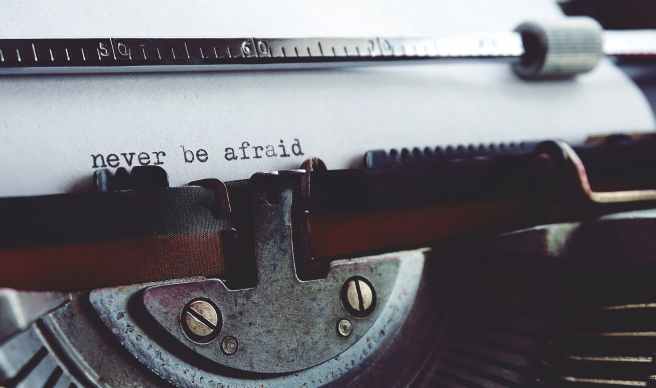

Kick Off November with These Holiday-Themed Writing Prompts

I’ve been feeling a bit under the weather lately, so I don’t have a story planned for this week. But because November is Creative Writing Month, I wanted to help you stay motivated to keep writing. Whether you’re participating in a writing challenge or simply want to rev up your writing routine, there are plenty of story ideas to test your creativity. 

To get you started, here’s 25 prompts to keep you busy during the month and hopefully put you into the holiday spirit. Pick one, two or ten, then let your imagination run wild. These stories can be as short or as long as you want. Most importantly, have fun.

1. Write about someone (male or female) who attempts to host Thanksgiving dinner for the first time.

2. It’s the first snowfall of the year. Write about someone who is seeing snow for the first time.

3. Write about someone who falls for a holiday shopping scam. What do they learn from the experience? Do they help catch the thief?

4. Write about a pie eating contest featuring either pumpkin or apple pie.

5. The person hired to play Santa at the Thanksgiving Day Parade fails to show. What happens next?

6. Several college students who barely know one another drive home together for Thanksgiving break during a snowstorm.

7. A candy cane factory has come up with a couple of new, unusual flavors. What are those flavors? How do customers respond?

8. A young woman shops for jewelry for gifts and is persuaded by the shopkeeper to try on a rather ostentatious ring. When the ring gets stuck on her finger, what does she do next to get it off?

9. A family attempts to cut down their own Christmas tree for the first time with surprising results.

10. On Christmas morning, you find a gift on your doorstep. What is the gift? Who is it from? Why did they give it to you?

11. Write a note of gratitude to someone who helped you in the past.

12. Imagine you have a pet turkey. One morning, it suddenly begins to speak. What does it say?

13. You have a chance to invite a celebrity – alive or dead – to Thanksgiving dinner. What do you talk about over your festive meal?

14. You participate in a Christmas cookie challenge with several participants. What cookie do you make? What unusual ingredients or techniques do you use to set your cookies apart?

15. During the Thanksgiving Day parade, one of the oversized balloons experiences a mishap. What happens to the balloon and how does the crowd react?

16. Describe your favorite Thanksgiving Day food and the memories they bring you.

17. A group of friends or family members make one last hike through the woods before Thanksgiving break.

18. An angel visits you one November night. What message do they bring you?

19. November arrives with an unexpected guest – someone wants to spend the entire month with you. Describe this person, their reasons for making this request and how your home life is altered because of their presence.

20. Create a place called The November Cafe. Describe the cafe and what is offered on the menu.

21. During a family get together, an older family member reveals a secret they’ve kept from everyone for 20 years. What is their secret? How does it impact the family?

22. What is your Thanksgiving Day feast like? Describe what you eat complete with the sights, smells and taste.

23. Write a story about a mishap or accident at Santa’s toy workshop. What happened? Did anyone get hurt?

24. You discover a magical mode of transportation. What is it and where does it take you? What else happens on your journey?

25. It’s a week before Christmas, and you find yourself in the emergency room at the hospital. How did you get there? Did you have an accident yourself, or are you there to help someone else?

Use These Prompts to Kickstart Your Autumn Writing Practice

There’s a hint of autumn in the air (at least where I live). Once Labor Day passes, I’m ready for pumpkin spice and apple cider, fall foliage, and making soups and stews.

It’s also an opportune time to reconnect with your writing routine especially if the long, hot, humid summer zapped your creative juices. If you’re looking for a chance to start up your writing routine or need some fresh story ideas for fall, I’ve put together a list of 40 prompts that can kickstart your imagination, including a few for Halloween and Thanksgiving. Feel free to embellish or tweak to fit your genre, whether that’s romance, fantasy or narrative nonfiction.

Hope these ideas inspire you to have a little fun with your writing this autumn season.

Just a reminder too that you can find writing prompts on my website, which are updated every couple of weeks.

Autumn-Themed Prompts:

1. An event that takes place in an apple orchard or pumpkin patch.

2. A child/children follow a black cat to some unknown destination.

3. A pumpkin carving contest with a surprise twist.

4. Someone gets lost in a corn maze.

5. An event or mishap takes place during a football game.

6. Grade-school students get a surprise visit from a famous person.

7. A group of people plan the annual fall festival.

8. A farmer and his crew bring in the fall harvest.

9. A character discovers or invents a new autumn-themed beverage.

10. A battle of the marching bands reaches a crescendo during a half-time show.

11. A football player pops the question to his girlfriend on the field.

12. A group of alumni celebrate their university’s Homecoming weekend in an unusual way.

13. A couple marries during a fall-themed wedding.

14. Something surprising and unexpected happens during a tailgating party.

15. A newlywed couple in their new home makes their first attempt at fall housekeeping, including cleaning the garage or attic and clearing out the gutters.

16. A story featuring caramel apples or apple cider donuts or some other apple treat.

17. Someone attempts to make soup, stew or chili and mistakenly adds one surprising and unexpected ingredient.

18. A character reminisces about the last day of the weekly farmer’s market.

19. A story that features one of the following: hot cocoa, hot apple cider or pumpkin spiced latte.

20. Someone sees the fall foliage for the first time.

21. A grade school class goes on a fall-themed field trip – farm, petting zoo or cemetery.

22. A broadcaster makes a blooper during a live telecast of a football game.

23. Someone discovers an old cedar chest in the attic, but it’s locked. How do they get it open? What do they find?

24. Someone without baking skills reluctantly joins a baking contest.

25. A college professor finds a mysterious package on their desk.

Halloween and Thanksgiving Themes

26. A young girl meets a friendly ghost in her new home.

27. A PTA meeting or dance takes place at a haunted high school.

28. A character watches a horror film for the first time.

29. A group of friends or a family tell ghost stories around the campfire.

30. A character wakes up one morning and finds a real skeleton in their closet.

31. A scarecrow in a corn field comes to life after dark.

32. Instead of leaves changing bright colors, they turn purple or black. Why did this happen?

33. Two rival families compete for the town’s annual Halloween decorating contest.

34. College students car pool home for Halloween weekend. What happens when their car breaks down or they make a wrong turn?

35. A child wakes up one morning and discovers he/she has magical powers.

36. A character experiences Halloween or Thanksgiving for the first time.

37. Something goes terribly wrong at the Thanksgiving Day parade.

38. An unexpected and unwelcome guest arrives for Thanksgiving dinner.

39. A character is forced to share a ride home for Thanksgiving with someone they don’t like.

40. Children find something unusual inside their Trick or Treat bag of goodies.

How AI Can (and Cannot) Help Writers

Photo by ThisIsEngineering on Pexels.com

I recently attended several webinars about AI, and while I don’t think it’s appropriate for writing, I do see its potential in other areas, such as research and administrative tasks. 

I’m not alone. Many journalists and communicators are cautiously feeling their way around this new technology, wondering if and how it can make a difference in their workflow and productivity. The key is finding a balance between using it for practical purposes and maintaining creative and professional credibility.

How AI Assists Writers and Journalists

In a recent webinar by the American Society of Business Publication Editors (ASBPE), Bridget Botelho of B2B publisher Informa Tech Target outlined all the things AI can and cannot do. I think her insights are worth sharing. 

* Save time. Tasks like research or drafting a report using multiple sources can take hours. But AI simplifies the effort. Case in point: A colleague was charged with drafting a year-end report incorporating data from several sources that her employer had published throughout the year. Using AI, she was able to produce a rough first draft in a matter of minutes rather than hours.

* Research. Journalists like myself love this aspect of AI. We can ask AI to sift through vast amounts of data to uncover trends and connections. That makes it easier to write about those trends in a published article or news story.

* Cross-referencing. Users can request AI to cross-reference information claims against trusted databases to verify that the sources are credible.

* Transcription. Another aspect of AI I like is transcription. When recording Zoom interviews or attending press conferences, AI can quickly transcribe the recordings so you have a printed piece to review. I’ve used Otter.ai for this purpose which has been a huge time saver. You can set it up to connect with Zoom so it will automatically take notes during Zoom chats.

* Summaries. AI can generate concise summaries of lengthy articles, legal documents, research reports and speeches so you have a brief outline of key points.

* Source vetting. Looking for an expert to interview? You can ask AI to produce a list of sources with expertise about certain topics. AI will scour the web for their website and provide their background, location and contact information so you have their basic info before following up.

* Multilingual support. If you’re looking for a quick translation of a document that’s in a foreign language, say Russian or Arabic, AI can scour the language and present a clean English-language version.

Mind you, AI is not used for writing purposes but for non-writing tasks, such as research, administration, and organization. It’s meant to streamline our task operations so we have more time to do the things that DO matter, such as writing.  

What AI Cannot Do
Despite its advantages, AI has its limitations. There are many activities that are best performed by humans.

* Conduct nuanced interviews and build rapport with sources. You still need that ability to communicate and connect with the other person, listen actively for their responses and ask follow up questions. There’s a more active give-and-take when interviews take place.

* AI cannot break news stories. While it can collect and disseminate information upon request, it can’t keep track of what’s happening in the current moment. For breaking news stories, you need to follow the reporters who are on site gathering the news as it happens. You won’t find AI on the ground reporting on the wildfires or flash flooding.

*  AI can’t exercise ethical judgment on sensitive reporting situations. Journalistic reporting requires a certain amount of discretion so that sensitive information isn’t shared, such as the name of underage victims of assault.

* Understand cultural differences. While AI can handle quick translations, it doesn’t understand cultural nuances, say between the U.S. and Canada. The political environment in every country is different, so what might work fine in the U.S. may not be acceptable behavior elsewhere.

* Make editorial decisions that balance the public interest and ethical considerations.

* Generate a loyal following for your brand. It doesn’t know how to create the trust that’s needed to entice customers to follow your brand.

AI can’t do these things because it lacks critical thinking skills, which is (or should be) a human creator’s strength. Another characteristic it lacks is human emotion. It doesn’t know how to express love, fear, guilt, sadness or anger. That is where human writers excel, and that’s what sets us apart from the bots. For that reason alone, AI will never replace writers and journalists.

To use AI well is to understand its strengths and weaknesses, to recognize when it’s making stuff up, then push it to correct itself. It will do that, insist the professionals who use it regularly, especially if you say “please” and ‘thank you” in your prompt. 
Which leads to the final point of this discussion: make sure you prompt AI properly. One common mistake is to accept the output AI gives without looking at it critically. Here are a few  tips for creating prompts.

* Start with a simple request that describes the task you want done.

* Give clear directions. Describe the desired output you want, including format, structure, audience and any specific details you want included.

* Evaluate the output. Review the information from AI, check for quality and accuracy. Then provide feedback if something in the output seems off.

* Restate your request. Add on to your initial request with additional details to get the output you’re looking for.

* Double check the revised output. Always edit and fact check against reliable sources.

AI is here to stay. Rest assured it will not replace writers, editors and journalists. It’s up to us to make peace with this new technology and learn how to make it work for us. 

Dealing with Internal Distractions (or How to Get Out of Your Own Head)

Photo by Photo By: Kaboompics.com on Pexels.com

One of the most frustrating aspects of writing is dealing with distractions. You could be making steady progress on your current work-in-progress, only to be derailed by interruptions and negative thought patterns. But to be successful, or at least to successfully complete that beloved work-in-progress, you need to figure out a way to conquer those distractions.

There are two types of distractions: external and internal. External sources of distraction occur outside your work space. It could be extraneous noise, like ambulance sirens blaring in your neighborhood, the sound of drilling as construction work is being done outside your window, or a group of children playing. There could also be external interruptions closer to home–the frequent ringing of your phone, the sudden desire to do housework or the constant temptation to check your social media for updates.

For the purpose of this post, I’m focusing on internal distractions–the ones that claim valuable headspace. Those thoughts are often counterproductive, derailing you from your best creative efforts. There are five internal distractions that I’ve come across in my writing practice, and I’ve given each of them a name. You’ve probably met them at some point too. 

For each “character,” I’ll briefly describe how each one interferes with your writing practice and what you can do to limit its impact.

Negative Nellie
Nellie is a chatterbox who won’t stop talking about what a horrible writer you are. Her negative self-talk grates on your nerves and drains your self-confidence. If you keep listening to her, her words will sink in and you’ll begin to believe all the negative comments she makes. Negative Nellie is adept at pointing out all your faults and suggesting how you will never measure up.  Negative Nellie’s main purpose is to slow you down enough to make you rethink your career as a writer.

To offset Nellie’s negativity, you have to remain positive. To turn those negative thoughts into positive action, try repeating some affirmations. Here are a few examples, or you can create your own:

* I’m a talented and creative writer who works hard to develop my craft.
* I write every day with passion, enthusiasm, and determination.
* I experience joy whenever I write.

Debbie Doubter
Debbie is Nellie’s close cousin. They’re very similar in mindset, though Debbie isn’t as relentless in her derailing efforts as Nellie. Still, her words can hurt you by prompting you to question yourself. “What made me think I could become a writer?” or “No one will ever want to read what I’ve written.” Once you begin to doubt yourself, you lose faith in your writing, and you lose heart. If enough doubts set in, you might give up on writing altogether.

What you need at times like this is more confidence. One way to gain that confidence–and keep the self-doubt at bay–is to focus on your small successes. Did you write only 300 words when you were aiming for 1000? Congratulate yourself on those 300 words. Did you finally finish that chapter you’ve been slaving over for the past week? Great! That’s one more milestone you’ve reached. When you celebrate each small success, confidence builds over time.

Wendy the Worrier
Wendy wastes much of her time worrying about things that will likely never happen. That’s because her thoughts are geared toward the future instead of being focused on the present. “But what will you do if you fail?” she might ask. “What about your regular job? You can’t give that up just to write full time.” 

The solution to all this worry about the future is to stay in the present. The truth is we can’t control what happens in the future, but we can control what we do in the here and now–like writing. We can control what we write and how much we write. But we can’t control how people will respond to our writing. Their emotional responses belong to them. Focus on what’s important now, and the future will take care of itself in its own time.

Unfocused Fiona
Fiona is a distraction magnet. Every little thing bothers her. She can’t concentrate on any of her work because her mind is drawn to so many things, like activities she’d rather be doing on a fine summer day or knowing that her friends are out enjoying dinner while she has to finish the  next chapter. Maybe you had an argument with your spouse, and you’re still feeling upset about that and can’t concentrate. Or maybe you’ve learned a loved one has died. Emotional disruptions can interfere with your productivity too because you’re thinking about those episodes rather than on your current project.

The antidote to Fiona’s lack of concentration is to work in small bursts. Rather than one long writing session of, say three hours, work for twenty minutes, then if you feel up to it, do another twenty minute session later. Those smaller sessions don’t require as much emotional or physical energy. The fact is being under such emotional duress isn’t going to help your writing. If, even these shorter sessions don’t work, then take a break from writing and exercise self-care for your emotional needs. Another option is to work on non-writing tasks that will still give you a sense of accomplishment. Try sketching out a few scenes or sorting through files. 

Critical Chris
I’ve saved Critical Chris for last because she is the most disruptive relative of all, and I think she affects almost every writer. Critical Chris can’t help herself. She’s down on everyone. No matter  how talented another writer is, she’ll find fault with their writing. “It’s too business-like. You’re not writing for corporate executives.”  “There’s too much dialogue.” or “Is this the best you can do? I’ve seen ten-year-olds write better stuff than this.”

Admittedly, it’s hard to shut off the criticism. But it’s imperative to try. For every criticism, reframe it as a positive statement. For example, if Critical Chris complains that there’s too much dialogue, your reframed response might be: “Sure, but the situation calls for it in the story.” Or “it’s only the first draft; I’ll fix it during the revision.”

If any of these characters are frequent visitors in your headspace, acknowledge that they’re there, then find a way to minimize their distraction. Most importantly, keep writing. Writing is a form of therapy. 

Have any of these internal distraction characters interrupted your writing life? How did you handle them?

Heeding The Desire to Create

Editor’s note: I am taking next week off to celebrate the Fourth of July holiday. I’ll be back the following week with a new post about the writing life. Until then, be safe and keep writing.

Yes, Virginia, the desire to create is real.

Many years ago, I watched the movie “Enchanted April,” a story about four women at various stages of their lives who spend the month of April at a secluded castle in Italy. Set at a time and place where there were no cell phones or computers and no access to a radio or TV, these women were forced to entertain themselves in other ways, whether it was taking long walks, having conversations with each other, or preparing meals together.

After a week or so, one of the women, an older widowed aristocrat, (played by the legendary British actress Joan Plowright) felt restless and felt the urge to do something constructive. What did she do? She began drawing. The simple act of drawing helped calm her and center her, and to no viewer’s surprise, made her less cranky to be around.

Mind you, she was not an artist to begin with. She was an aristocrat, used to hosting parties and entertaining guests. She wasn’t used to spending a lot of alone time with her thoughts and imaginings. But being out in nature with few people around, she gravitated toward this unfamiliar yearning. A yearning to create.

Dieter F. Uchtdorf, a German aviator, airline executive and religious leader once said, “The desire to create is one of the deepest yearnings of the human soul.”

It’s my belief that we are all born with an innate desire to create, and to create beauty that will be appreciated by others. It’s as real and natural to us as breathing and walking. 

Except not all of us recognize this desire or believe we have creative talents. But this isn’t about natural ability or talent. It’s not about excellence and achievement. It’s about desire. It’s about the need to produce something of beauty that will leave a lasting legacy.

As the movie example above showed, the creative need can show up in your life at the most unexpected time, usually when you’ve spent a lot of time alone and immersed in nature. But that’s not the only way. This creative need can manifest in your life in different ways. 

  • You might be moved by witnessing something beautiful, like a song, nature or artwork.
  • Events in your life might inspire you to start a journal so you can write down all your thoughts and musings.
  • You might have seen an exhibit at an art show or museum that prompts you to experiment with drawing, sketching or painting. 
  • You might have heard a piece of music that moved you or made you want to learn to play an instrument or pick it up again. 
  • A friend may have encouraged you to join them in a new crafting hobby, like knitting or weaving.

When you see how others have brought their creative vision into reality, it makes you want to do the same. But how do you access this creative self-expression yourself? What can you do to satisfy this desire to create, especially if you believe you have no creative abilities?

  • Spend time alone without distractions. This will be hard to do, considering all the devices at our disposal these days. Imagine spending time in a private villa with no access to computers, TV or radio. With only your thoughts for company, and perhaps a friend or two for occasional conversation, you may feel the need to do something with yourself, just like our aristocrat from the movie. Listen for inspiration. You don’t have to go to a private castle to do that. Find any place that offers a peaceful respite from your busy life.
  • Spend time in nature. Going for long walks, whether in the local forest preserve, in the mountains or on the beach, immerses you in nature. Being around nature or any green things can be calming to the frazzled mind. It can also inspire you to create (or re-create) the beauty you see around you.
  • Experiment with different tools and techniques. Thai is especially important if you believe you were born without creative abilities. What are you most drawn to? Drawing? Writing poetry? Journaling? Taking photos? Cooking? (Yes, cooking is a form of creation too). I once tried a sketching class. Because I’m used to writing as a form of creation, drawing objects was a new challenge for me that forced me to use a different part of my brain. I enjoyed the class. I occasionally take out my sketchbook to take a break from writing.
  • Listen to beautiful music, ideally instrumental. What images come to mind when you hear the music? How does the music make you feel? Does the music inspire you to do something creative, such as writing poetry or drawing or wreath-making?
  • Practice meditation and/or yoga. Both activities will calm your mind. And a calm mind is a creative one. Many writers I know use meditation and yoga when they’re stuck in a work-in-progress as a way to get unstuck. By taking time to check in with yourself, your inner guide will help you find the creative solutions you’re seeking for any problems you’re grappling with. 
  • Visit an art museum. Note the different methods that the artists used to create their pieces. Is there a particular artist whose works resonate with you. Or inspire you to try your hand at painting or drawing?

As humans, we have an abundance of needs–physiological, emotional, connection and relationships, esteem and self-actualization to quote from Maslow. Somewhere in that hierarchy is the need to create.  

Experts at Creativelyllc.com offer these guiding questions to help you source out your desire to create.

1. Do you enjoy the experience of creating? If you enjoy something, you’ll be more likely to stick with it.

2. Don’t judge yourself too harshly when you create something that doesn’t live up to your vision. Set up a judgment-free creativity zone in your home where you can create anything just for the sake of creating.

3. Experiment with different outlets. Try music, acting, dancing, poetry, or crocheting. There’s bound to be one or two of them that resonate with you.

4. Does creating feel like work or play? If it feels like play, you’re on the right track. Creating is supposed to be fun.

5. What drives you to create? How does creation help you fulfill your purpose in life or showcase your individuality?

The next time you feel a yearning to create, don’t dismiss it. Give in to that desire and see where it takes you.

Is a Fear of Being Published Preventing You from Writing?

Photo by Suzy Hazelwood on Pexels.com

Many writers are plagued by fear. Whether it’s a fear of not being good enough, a fear of criticism or a fear of success, some writers can be so haunted by fear that they can’t write a single word.

Add one more fear to that list: a fear of being published.

It’s ironic considering that most writers I know strive to get published. That is the ultimate goal of writing, isn’t it?

But I can see why some writers would be afraid to have their work published, and the reasons they give are similar to the list of fears I mentioned above.

* Fear of exposure. Your work might reveal some deep, dark family secrets, or more likely, show off aspects of yourself that you’ve keep hidden. Getting published means putting yourself out there, and that can be scary. What if someone somewhere sees you for who you really are?  

* Fear of criticism. Once you’re published, people will read what you wrote. That’s a good thing, right? The thing is, they may either love it — or hate it. Many writers focus on the negative reviews rather than the positive ones, even though there may only be one negative review compared to one hundred positive ones. It’s the thought of the naysayers that can scare you away.  Getting published means the you risk getting negative reviews.

* Fear of success. Because, after all, getting published is a sure sign that you are a successful writer. But along with publication comes responsibility. Once you publish one novel, readers expect you to publish more. What if you can’t come up with a suitable follow up?

* Fear of a new identity. Once you become published, you shift from being an aspiring writer to a published author. The new identity means you have to live up to new standards and expectations for your writing. It may mean a new lifestyle, complete with travel, public appearances and author readings – things you may not be prepared to deal with.

* Fear of being found out. What if you believe the published work isn’t good at all, no matter how many positive reviews you get? People might find out that you’re a fraud or a phony, and your novel was published through sheer luck, not talent. You might as well give up writing, or so you think.

For many writers, getting published is scarier than writing. Writing is safe because you can do that in the privacy of your home. You can work in isolation, and it’s just you and your story ideas. You can hide behind your laptop screen and play with words and stories all you want. You don’t have to risk anything.

But once you become published, all that changes. You have to take your writing more seriously than before. It’s no longer a hobby but a business. You have to treat your writing as a product.

Once you are published, you might have to view yourself differently. You are now a business person with creative talent and a product to offer readers. To continue that success, however, you have to keep writing and you have to keep putting your work out there for people to see.

No wonder writers are afraid of being published.

Thankfully, there are some things writers can do to assuage those fears.

1. Hire a good editor. A professional editor might cost money, but it’s money well spent if they can catch miscues, provide meaningful feedback and suggest improvements to your work. A good editor can help you create a product you can be proud to publish.

2. Join a writers’ group. If you aren’t part of a writers’ group, form one of your own. Getting support from other writers can help you through the rough patches of the writing process. When you finish that first draft or finally get published, they can help you celebrate your successes.

3. Take criticism in stride. This might be easier said than done since most writers tend to remember the negative feedback more than the positive. It doesn’t matter if those critical voices come from within or from outside yourself (such as readers and editors). There will be times when you should shut it out. The only exception is when working with an editor or agent who may offer suggestions for improving your work. Their feedback should be taken to heart. The rest can be dumped in the garbage along with your rough drafts.

4. Remember why you write. If you feel overburdened by criticism or fear the unknown as a newly minted published author, remember why you decided to write in the first place. It might help to put things in perspective.

Remember that not everyone will appreciate your writing. Just because one person bashed it doesn’t mean it wasn’t a well-written book. It simply means it wasn’t their cup of tea.

Focus on the people who do care about your success. Even if only one person comments that they enjoyed your work, hold onto that. Don’t let a fear of publishing hold you back from doing what you truly love: writing.

What Makes a Story Memorable?

book-2170910_1280

Have you ever read a book that stayed with you long after you finished reading the final page? Or watched a movie that kept you awake all night as scenes replayed over and over in your mind?

There are few stories that are so memorable that they grab you by the throat and throttle your senses, or grip your heart so tightly that you want to cry or scream. Most reactions to stories are more subtle, of course, but still effective. Sometimes, a film or book drains you instead, so all you want to do is clutch a warm, soothing cup of tea and sit huddled on the sofa staring into space trying to relive the story in your mind or erase it because it was too horrible to experience again.

Recently I re-discovered one of my favorite all-time films on cable and again, I experienced that “stickiness” of a good story. I grew up watching Fiddler on the Roof enchanted by the music and the romance in a time and place far away from the here and now. The story is about a Jewish peasant in prerevolutionary Russia contending with the marriage of three of his daughters. It wasn’t until I was older and watched it as an adult that I understood the historical and religious undertones of the story. Still, as I lay in bed that night a few weeks ago, the story, the characters and the music continued to play in my head, delaying sleep.

What stories have you read or watched that made you feel sad, angry, joyous, surprised, frightened or ecstatic? What films have made you take notice of an issue, a person or a piece of history that you had not noticed before? What stories or characters made you want to take some sort of action — to dance and sing, to hug your children to make sure they were safe and felt loved, or hop on an airplane to a place you had never been before, just because you saw it on the movie screen or read such a vivid description that you had to see it in person?

In the business world, the term “stickiness” refers to a website’s ability to keep eyeballs browsing its pages. I suppose the same “stickiness” can be applied to a story’s ability to stay on in your memory long after you closed the book. The story gives us so much pleasure that we want to experience that pleasure again.

So what makes a story memorable? What elements do memorable stories have in common that make them worth seeing or reading over and over again? Here are a few common elements, based on my own observations.

Fully developed characters. If fictional characters were real human beings, they wouldn’t be flat, emotionless people. Characters need depth, flaws, and qualities that makes them more like one of us. Strong characters don’t necessarily have to be good characters and they certainly shouldn’t be perfect or we wouldn’t be able to relate to them. Complex, multi-dimensional characters make the most memorable characters, and they aren’t always the most likable. Think Ebinezer Scrooge or Harry Potter’s Lord Voldemort.

Sense of time and place. We might remember a story for its unique setting or its place in history. For example, the yellow brick road in The Wizard of Oz is memorable because its unusual color transcends what we believe to be true of traditional paths that are made of other materials and other colors. It makes us realize that this is not part of our world.

Emotional connection. A story can be memorable by the emotional connection it creates between the characters and their readers or viewers. We can sympathize with Topol’s father figure in Fiddler on the Roof because of the emotional conflicts he faces. We feel the love he has for his family and his community, and we witness the pain and confusion in his eyes as he sees his old comfortable world falling apart, and he feels helpless to do anything to stop it.

Suspense. Without suspense, there isn’t much of a story, just a bunch of scenes with no connection to one another. Suspense creates tension, which is the engine that drives the action forward. As each chapter unfolds, another clue, character, or plot twist keeps our interest. If we want to know what’s going to happen next, we have to keep reading.

A satisfactory conclusion. There is nothing more disappointing than reading a page-turner only to get to an ending that makes you wonder, “What happened?”  The ending may not be what you or I have in mind, but it makes sense from the author’s or director’s perspective. We are so conditioned to believe in “happily ever after” that we expect happy outcomes in movies and books. So when a story ends differently, like Thelma and Louise driving their convertible off a cliff, or two young lovers split up at the end of La La Land, it can be a bit startling. The satisfaction comes with understanding that there is a resolution to the conflict in the story; it just may not be the one we wish it to be.

Granted most of these examples are films, but these tips work just as well for books, TV shows, even song lyrics. They tell stories too. Whether you write stories, or just enjoy reading them or watching them on film, remember that stories aren’t worth experiencing unless you can make them memorable.

Is Lack of Sleep Hurting Your Creativity?

Girl at laptop
Photo courtesy of Hubspot Marketing

How many hours of sleep do you typically get in one night? How much do you think you need to be at your best creatively?

Medical experts say most adults require at least seven to eight hours of sleep every night to function properly. Getting only five or six hours of quality sleep can affect us adversely.  You may be short-tempered and impatient which can put a strain on relationships, for example, and mentally you may not be as sharp, which can lead to potential mistakes. Physically, lack of sleep can affect your mood, cause weight gain, high blood pressure and other ailments.

We all lead busy lives, and as we take on more responsibilities, unfortunately, sleep becomes less of a priority.  How can you possibly think clearly, make critical decisions, remain calm under pressure and perform at your best without adequate sleep? The truth is, you don’t realize how valuable sleep is until you begin to lose it.

If your performance on the job can improve with better quality sleep, it makes sense that it can also sharpen your creativity.  If a lack of sleep is preventing you from producing your best creative work, here are a few tips to help you when sleep eludes you:

1. Keep a notebook by your bed. If your brain is racing with ideas or overthinking a problem, grab a notebook and pen and start writing them all down. Getting these ideas down on paper before sleep helps declutter your brain so you can sleep better.

2. Turn off all electronic devices at least 30 minutes before bed time. The lighting from your smart phone, TV and laptop can interfere with the chemicals in the brain that regulate sleep. Avoid watching TV or listening to music before bed time. (I find that this actually works.) It’s important to quiet the mind before sleep.

3. Give yourself 20 minutes to fall asleep. If after 20 minutes you can’t fall asleep, get up and read until you feel sleepy. Then try again.

4. Read before hitting the sack. This may seem counterintuitive if you’re reading an engrossing page-turner, but reading for a few minutes each night before bedtime can also help you relax. Try reading something dull and boring, like a science textbook.

5. Take a warm shower or bath. The warm water eases muscle tension and makes you sleepy.

6. Drink a glass of warm milk before heading off to bed. If you drink cow’s milk, try warming a mug of almond or cashew milk. You can also try chamomile tea, but it might make you go to the bathroom more often during the night, which only disrupts your sleep more. Wine and other alcoholic beverages might help you get to sleep, but you may have difficulty staying asleep.

7. Avoid sleeping pills. Some can be addictive, while others are ineffective. Other products on the market, like melatonin and Nyquil Zzzzs have had mixed results.

Whether you are an artist, writer or business owner, if you want to maximize your creativity and be more productive in your work, sleep is the most valuable commodity you’ll ever need.

Tips for Finding Credible Sources via the Internet

Bear with laptop

A woman I met in a writing class was working on a book project. She had never done anything like it before, so she didn’t know how to go about researching her topic. “How do I find good, credible sources of information on the Internet?” she wondered.

Good question. The Internet, for all its accessibility to the information highway, has been known to play host to some faulty, inaccurate data, enough so that it has been the brunt of jokes. The fact is you can’t assume that what you read on the Internet is true, accurate, trustworthy, or worthy of being shared.

But fortunately for many of us writers, there are plenty of credible sources. You just have to know where to look for them and how to vet them. Here’s a list of sites I regularly seek out to find a credible source to interview or do background research.

* Trade associations, which cover industry news. For example, the National Association of Realtors covers the housing market, while the American Hospital Association obviously covers news about hospitals. If you don’t already have a contact there, reach out to the media relations department who can put you in touch with the best expert for your project.

* Government agencies collect data and conduct research about everything from energy consumption to employment statistics. If you need data to back up your research, agencies like the Internal Revenue Service and Federal Trade Commission will be strong bets.

* Universities often produce studies or have think tanks on-site. Professors with special expertise in certain topics or who are involved in research studies are good candidates for sources.

* Book authors often have specialized expertise. Check Amazon or Barnes and Noble for recent releases. Note the name of the author(s) and check out their website, if they have one. If they’ve written a book or published an article, they’re experts and they’re worth interviewing.

* Magazine, newsletter and website editors cover the topics of the day. They understand the issues facing their industry and are usually open to offering their perspective.

* Quoted experts in news articles. As you read articles on your topic, note the experts who are quoted in the story. What company or industry do they represent? What expertise do they have? Follow up with them via their website or connect with them through social media. If they’ve done one interview, they are likely willing to talk to you.

* Think Tank organizations and other research firms, such as Pew Research Center provide massive amounts of studies and data, and their researchers are often quoted in news stories.

* Not-for-profit organizations and foundations, such as American Heart Association, can provide a unique perspective. For example, the director of a silent film group can provide a historical perspective on the passing of a well-loved actress.

For most writing projects, I usually begin by contacting the media relations department. Describe your writing project and be specific as you can about what information you need. They will usually direct you to the right expert. If they don’t have someone available, ask if they can refer someone else. But be patient. It may take a few hours or days for them to get back to you. If time is a factor, make sure you tell them that you are working on a deadline.

Once you’ve collected your sources, don’t set up interviews right away, unless you’ve talked with them previously and know them well enough to contact them. You need to be sure they are legitimate sources for your story.  A source that hasn’t been properly vetted can weaken an otherwise well-researched story.

If the information you find is too good to be true, or promises more than they can deliver, think twice before sharing it. Be sure to confirm the accuracy of one source by using a second, and possibly a third source.

Check the Better Business Bureau to determine if there are any complaints against the company or source. If there are, they may not be the best choice of expert to be interviewed.

Do a Google search of topics and individuals. You might be surprised what pops up. For example, enter HCG Diet in the search space, and the list will reveal both positive and negative reports, which suggest that the diet may not live up to the hype. On the other hand, by seeing both positive and negative responses, you may find sources who are willing to discuss opposing perspectives, which can make your story more well-rounded and credible.

In the long run, your story is only as good as the sources you use.