
Do’s and Don’ts of Maintaining a Writing Practice

Photo by Suzy Hazelwood on Pexels.com

Starting a writing practice can be difficult to start and maintain. There’s always the potential for distractions, like a child or pet wanting you to play with them. But with every milestone achieved, whether it’s finishing 1000 words or completing the first short story or essay, there is a sense of accomplishment. 

No matter what type of writer you are–or want to be–having a consistent writing practice is key to making progress. Inspired by this article on Writer’s Digest website recently about the do’s and don’ts of writing, I’ve created my own list based on my own experience on this writing journey. Because while writing is a solo activity, we can all learn from each other.

Do’s:

  • Do maintain a consistent practice. Whether that’s 500 words per day for six days or only one morning on the weekend for three hours, the schedule is up to you. The important thing is to be consistent about it. It may not seem like you’re not making much progress with your manuscript, but by the end of several months, you’ll have a completed story.
  • Do read and learn as much as you can about the publishing industry, particularly about the different paths to publication. There are numerous resources, magazines, industry blogs, and workshops that can help you understand what’s at stake. The more you know about the various paths to publication–whether traditional, hybrid or self-publishing–the better prepared you will be to decide which path is right for you.
  • Do read often and widely. Most writers I know are voracious readers. Reading different genres and authors exposes you to various writing styles. It’s just as important to read in your chosen genre so you know what readers are buying in the current marketplace. Reading widely can help you to develop your own narrative writing voice.
  • Do learn about story structure (if you’re writing fiction). When I started writing, I didn’t know anything about story structure, character arcs and creating tension. I know a lot more than I used to, but I’m still learning. I probably will always be learning because I’m a bit of a perfectionist and I want to write the best story I can. So do your homework. Once you understand the rules of story structure, you can break them later.
  • Do develop a professional support system. Surround yourself with people who can provide encouragement and support when you need it, like when you get your first rejection notice or when you feel stuck on your work-in-progress. Other writers can provide insights about your process, and friends who are avid readers can tell you what’s working and what isn’t. You don’t have to go through the writing process alone. Reach out to others when you need a lift.
  • Do keep writing. This is probably the most important to-do of all. There are times when you will feel like quitting, times when the motivation just isn’t there. That’s when it might be tempting to walk away from the desk or give up altogether. If you need to take a day off to clear your head of storylines and characters, that’s okay. But walking away from your writing will feel like you’ve given up on yourself. So even when you’re having a rough day at your desk, do keep writing.

Don’ts:

  • Don’t worry about the first draft (or even the second). It will always be garbage, a jumbled mess of ideas. This is a normal part of the story development process. Think of the first draft as the brainstorming phase in which you throw out all your ideas, no matter if they make sense or not. See which ones stick. The real writing begins with the revision phase.
  • Don’t let the revision process overwhelm you. I can’t tell you how many times I’ve stopped my own progress because the revision process overwhelmed me. Was I doing it right? Did I really need that scene? (If you have to ask that question, you probably don’t.) It’s okay to take baby steps with revision, and it’s also okay to ask for insights from a critique partner. Take one chapter at a time and review it to see if it aligns with your overall story. Does the scene push the story forward? Does it align with the story arc? Only you can answer those questions. Revision isn’t a race, more like a rough sludge through mud. But with a slow, consistent pace, you will get to the finish line.
  • Don’t wait for inspiration to strike. If you wait for the lightning bolt of an idea to strike you before writing a word, you may be waiting an awfully long time. Even if you don’t know what to write about, sit down and write anyway. So what if it’s all garbage to start with.  Inspiration will come. It usually does. You sort of have to knock on the door of inspiration first. The door will open and let you in.
  • Don’t deny your creative needs. We go through life taking care of our various needs, such as the physical need for nutrition and proper sleep and the emotional need for connection with others or giving back to the community. Most of us don’t think about the other basic need–the need to express ourselves creatively. Creative needs are as critical to our well-being as proper nutrition and self-care. They’re also as natural as breathing and sleeping. So don’t neglect your creative needs, and find ways to express yourself through your writing or other creative outlet.
  • Don’t be afraid to share your work with others. While you may prefer to keep your writing to yourself or wait until the story is absolutely perfect (guilty as charged), keeping your writing a secret serves no useful purpose. Some things are better when it’s shared. 

You probably have your own list of do’s and don’ts about writing. What’s at the top of your list? Is there anything here you agree or disagree with?

Story Starter Scenes Can Spark Creative Storytelling

Photo by Tairon Fernandez on Pexels.com

Ever have a scene idea strike you from out of the blue and get stuck in your head, but you’re not sure what to do with it? You’re sure that it’s a brilliant idea because you’ve never seen it in any book before. No matter how hard you try, the idea sits with you, often for days, weeks or even months. Yet you can’t seem to settle on a story around it. Nor does it fit any of your current works-in-progress.

What you’ve got is a story starter. Some say a story starter is a type of writing prompt, something to get your imagination “started.” In a recent post at Writer’s Digest, author Andrew Welsh-Huggins describes a story starter as a “lightning bolt of inspiration.”  

“The fun thing about a story starter scene is the freshness it brings to the creative process; so much more invigorating than staring at a blank page yearning for inspiration. The challenge is following up on that novelty,” Welsh-Huggins says.

I know what he’s talking about. I’ve had a story starter scene stuck in my mind since at least 2018. The scene features a woman who wakes on the morning of her birthday and sees the face of her deceased mother in the bathroom mirror.

I know there’s a story behind this scene somewhere, but for months I couldn’t figure out what it was. Since that image began haunting me (pun somewhat intended), I’ve played with different plot lines. The first novel I tried to write with that scene changed so much after several revisions that the scene no longer seemed appropriate. I set the scene aside, but never dismissed it.

Lesson learned: Never, ever dismiss a story starter idea. When a new plot idea inspired me last fall, I knew I had found the right place for my story starter scene.   

What Welsh-Huggins shared and what I’ve learned shows that these random scenes from out of the blue can serve as the impetus for creative story telling in ways you can’t imagine.

Here are a few of my tips for using these random story starter scenes especially when the right novel concept is nowhere in sight.  

* Keep a notebook of writing ideas. You should be doing this anyway for all of your novel and short story concepts. When you get that image of a particular scene and you can’t get it out of your head, write it down in that notebook. Write out the scene as you see it in your mind, describing every detail and nuance and emotion. Even if you do nothing more with the written scene at that moment, getting it down on paper will help you remember the details later when you need them. You can always refer back to your written scene later when you begin a new project to see if there’s a place for it.

* Review current works of your own or any manuscripts that are tucked away in a desk drawer to see if the story starter scene might work in any of them.

* Draft a short story around that story starter scene. Starting with a smaller writing project might spark other scenes or evolve into a larger, full-length novel.

* Brainstorm possible scenarios and actions that could be happening in your story starter scene. For example, let’s say you keep imagining a man sitting down to play the piano in an auditorium, but realizes suddenly that he cannot play. Create a bullet point list for each of the following details:

  • Who is the man? A musician? A piano tuner? A building custodian with a hidden talent?
  • Why is the man on the stage? Is he supposed to perform? Is he fixing the piano? Is he pretending to be a prolific musician?
  • Why can’t he play? Maybe he doesn’t know how. Perhaps he has amnesia or some other illness or has a physical ailment, like arthritis. Let your imagination fly.  

    The next time a story starter scene strikes you from out of the blue, don’t dismiss it. It can be the start of something fresh and unique.

The Ties That Bind: Writing about Families

Photo by Nicole Michalou on Pexels.com

If you ever feel stuck with your writing and need inspiration for your next story, you don’t have to look much further than your own family. Whether you’re an only child or grew up in a family with eight kids, whether you’re the oldest, youngest or somewhere in between, there’s plenty of family drama to draw from. Even the closest-knit families can be hiding a few skeletons in their familial closet.

The holidays seem to intensify these interactions. Some gatherings are fraught with more tension and conflict than a best-selling mystery novel while others will be happy occasions. There are sibling rivalries, miscommunications and misunderstandings, and estrangements. So much fodder for storytelling.

That’s what makes family dramas so fun and interesting to write.

But experiencing these family dramas is one thing; writing about them is quite another. Writing about families isn’t easy. First you have to conquer your own emotional connection to the story, build in some time and space between the present time and the past so you can write about them objectively. You may have to tiptoe around people’s feelings. Family members may not be pleased that you’re writing about them. Or they see events differently than you do. They might feel betrayed or feel they’ve been wronged.

How you present the family stories is up to you, of course. Either write family stories as a memoir or narrative non-fiction, recording the people and events as accurately as possible. Or write a fictionalized version, changing people’s names to protect their identity or leaving out non-essential events and characters.  

Whichever genre you choose, here are a few things to think about:

For fiction:

1. Inject a little humor into the story. To lighten the mood during the most tension-filled moments, pair it with a little humor, writes author Sierra Godfrey at Writer’s Digest. The humor can either come through a character’s personality or in things that the characters say. A good example of this is Buffy the Vampire Slayer who manages to defuse the tension of her fight scenes with snappy comebacks to her demon opponents.

2. Use character imperfection. Everybody’s different so they respond to stressful situations in their own unique way. Under duress, they may make snap decisions that turn out poorly. Understand each character’s flaws, their goals, their mistakes. When you understand the goal of each family member featured in the story, you can use those goals to push family members against each other, Godfrey says.

3. Allow room for each character to grow. If a family member in your story has done something terribly wrong, can they be forgiven? Can they forgive themselves? That can be part of their character arc—from committing their mistake to owning up to it and making amends. In the young adult novel Forgive Me Not by Jennifer Baker, a teen girl is involved in an accident that kills her younger sister. As she goes through a series of trials as punishment for her crime, she grows in self-awareness and learns to forgive herself and eventually earns her family’s forgiveness.

4. Have empathy for your characters. This is the most important element in fiction, writes Godfrey. “Everyone hurts in some deep, emotional way, but most people don’t know how to fix their pain.”  Perhaps one of the best examples of empathy in fiction that I’ve read is The Book of Ruth by Jane Hamilton. In separate chapters, Hamilton describes the backstory for Ruth’s mother and husband so readers understand what leads up to their brutal and violent confrontation. Ruth, for all her issues, shows incredible grace and insight about what has happened. That shows true empathy, both from the main character and from the author.

For memoir:

The following tips from Sharon Harrigan (via JaneFriedman.com) are geared toward memoir or narrative non-fiction, but some might apply to fiction as well.

* As you write your first draft, don’t worry about what your family will think. Imagine yourself on a deserted island so no family members are looking over your shoulder. Just focus on getting your story down on paper.

* Be aware of your motives. Why do you want to write this particular story, and why do you want to write it NOW? Be careful that you’re not writing out of revenge. Distance yourself from negative experiences long enough so you gain some perspective.

* Write down your own memories before you ask other people to fact-check. Remember your memoir is based on your memory of events, which may or may not be accurate, but they are still yours.

* Treat some people extra carefully, such as children. They’re usually innocent bystanders. Unless they are critical to the story, it might be wise to cut them out of your story

* Family members will react to what you write. Be prepared for criticism, even jealousy. If someone reacts negatively to your piece, go through the manuscript addressing each of their objections. Harrigan also advises having one person to be a trusted reader, someone who knows all the characters in real life but who can also remain objective. It could be a close friend or a sibling. Having that third eye can help you create a truthful story that won’t burn any bridges.

As long as there are families, there will be stories. As writers, we can document the ups and downs and twists and turns that characterize our family life and turn them into entertaining works that readers will enjoy.

Conquering the Scariest Fears about Writing

Photo by Suzy Hazelwood on Pexels.com

Happy Halloween! In honor of this occasion, I’m reposting this story from a few years ago. It’s my treat to you.

If you’re like most people, you’ve probably made a myriad of excuses for not getting any writing done – lack of time, fear of failure, too busy, no privacy, nothing to write about, etc.

Below are the seven most common excuses I’ve heard from people (and sometimes I’ve used them myself) for not writing. I call them the Seven Deadly Excuses because they can kill a person’s writing practice before it has a chance to blossom. Many of these excuses are influenced by negative messages and assumptions you’ve heard since childhood. By reframing these messages and taking positive action, those fears could diminish over time.

Excuse 1: “I don’t have time to write.”
A lack of time is the most common excuse people make about not writing. If this is your biggest fear, chances are your writing practice has never gotten off the ground, or you write in fits and starts. You always talk about wanting to write, but you never do anything about it.

The problem isn’t that you don’t have time to write, but the expectation of how much time is needed for writing. If you expect a writing practice to take up two, three or four hours every day, that is unrealistic. No one has that kind of time, unless you are a professional full-time writer. With outside jobs, clients to manage, families to care for,  and other important responsibilities, there’s little time left over for writing.

The truth is, you don’t need hours at a time to write. When you’re just starting a writing practice, only ten or fifteen minutes a day will suffice. For example, while working as an attorney, A Time to Kill author John Grisham set a goal of writing one page per day, roughly 200 words. Grisham shows it is possible to fit writing into your schedule.

Excuse #2: “I’m too busy.” 
When people say they’re too busy to write, what they might actually mean is that writing isn’t a top priority compared to other responsibilities. Work, school, taking care of family and a household take up more of your time. Why begin a writing practice when these other priorities compete for your attention?

Perhaps you learned in childhood that school work and household chores came first before you could entertain yourself by reading and writing stories. Naturally, that attitude and habit carried over into adulthood. It’s no wonder writing hasn’t become priority.  

When you make writing a priority, you’ll find it’s easier to begin a regular writing practice. Remember, you only need 15 minutes! If you can make room for 15 minutes in your schedule for writing, that’s time well spent, no matter how busy you are.

Excuse 3: “My writing isn’t good enough.”
From the first moment you put pen to paper, your writing probably won’t be very good.
That’s normal for most beginning writers. But it’s true for experienced ones too. Kristin Hannah, author of The Nightingale, writes as many as 10 drafts of each novel because she knows the first draft isn’t her best or final work. It’s simply the starting point that she can build on.

If you continually tell yourself that your writing is not good enough, ask yourself why you feel that way. What is your writing not good enough for? Publication? For other people to see?

Instead of berating yourself for not writing well, make a plan to keep improving. Read authors whose work you admire, so you can learn from them. When you write something, ask for feedback. Constructive criticism can help you spot recurring errors. Most important, write, write, write. That’s really the best way to improve your craft.

Excuse 4: “I don’t know what to write about!”
Do you suffer from blank page syndrome – the act of staring at a blank page or computer screen with no idea what to write about?  Or when you do come up with a story ideas, do you dismiss them as uninteresting?

When faced with a blank page, you may be overlooking the best source of story ideas: personal experience. You have plenty of life experience to draw from, so explore those events from your past and turn them into stories, either as narrative non-fiction or as fiction.

One way to access this reservoir of life experience is with writing prompts. You can find hundreds of prompts on sites such as Writer’s Digest.

Excuse 5: “I don’t have a private space to write.”
If you share a home with a spouse, three children, a dog and two cats, it may be difficult to find a quiet, private space to write. Others believe that without ideal circumstances, such as a desk and comfortable chair, their favorite coffee mug and favorite pen, they’re just not able to write.

You need to ask yourself if the problem is an actual lack of space, or the expectation that you need a lot of space to write. I’ve drafted blog posts on breaks at work, on buses and trains or while waiting for doctor appointments. If you wish you had ideal surroundings and your current environment is far from ideal, you may be waiting forever to start writing. The truth is, your environment does not need to be perfect to begin writing. Look around you. I bet you can find a space to call your own that is perfect for creating stories.

Excuse 6:  “I might fail.”
Another common excuse writers make is “What if I fail?“  The answer depends on how you define failure. What does failure look like to you? Not getting published? Not finishing your current work-in-progress? Not having anyone read your work? Not having anyone take your writing as seriously as you do? Everybody has their own definition of failure, but in reality, there is only one true failure: not writing at all.

To remove that fear of failure, it might be helpful to start small and work your way toward bigger projects. Start with 100 words, then increase it to 200 words, and so on. Every week or so, add to your daily word count. When you reach these smaller goals, you gain confidence in yourself and you achieve small successes that you can build on.

Excuse 7: “What if I’m successful?”
While fear of failure is common among writers, others suffer from a different malaise:  fear of success. “How can anyone be afraid to succeed?” you ask. You’d be surprised at how many people fear success, myself included.

Fear of success might manifest as an unfinished project – or two, or three or ten. You have several projects in various stages of completion but never seem to finish any of them. In your mind, finishing one of them means you’ve achieved success. Then you worry about what happens when you finish that project. Perhaps you edit your piece over and over again, never fully satisfied with what you’ve written – a useful delay tactic preventing you from finishing your work.

If you fear success, then you may need to rethink what success means to you. What does it look like? It may look and feel differently to you than to your spouse or your best friend. Are you defining success on your terms or someone else’s?

For some people, success means getting published, while for others, it simply means sitting down for a half hour every day to create stories with no thought of publication. There is no right or wrong answer. Write according to your definition of success, whatever that means to you.

When you manage your expectations to conquer your fears, the writing life won’t seem so scary.


The Seven Scariest Excuses People Make to Avoid Writing

Photo by Suzy Hazelwood on Pexels.com

This is a repost from several years ago. The information is just as helpful and pertinent today as it was then. As always, thanks for reading, and keep writing.

If you’re like most people, you’ve probably made a myriad of excuses for not getting any writing done – lack of time, fear of failure, too busy, no privacy, nothing to write about, etc.

Below are the seven most common excuses I’ve heard people use to explain why they aren’t writing. I call them the Seven Deadly Excuses because I believe they can kill a person’s writing practice before it has a chance to flourish. Many of these excuses are influenced by negative messages and assumptions you might have heard since childhood. By reframing these messages and taking positive action, those fears can diminish over time.

Excuse 1: “I don’t have time to write.”
A lack of time is the most common excuse people make about not writing. If this is your biggest fear, chances are your writing practice has never gotten off the ground, or you write in fits and starts. You always talk about wanting to write, but you never do anything about it.

The problem isn’t that you don’t have time to write, but the expectation of how much time is needed for writing. If you expect a writing practice to take up two, three or four hours every day, that is unrealistic. No one has that kind of time. With full-time jobs, clients to take care of, families to raise and other important responsibilities, there’s little time left over for writing.

The truth is, you don’t need hours at a time to begin writing. When you’re just starting out, only 10 or 15 minutes a day will suffice. For example, while working as an attorney, A Time to Kill author John Grisham set a goal of writing one page per day, roughly 200 words, and he got up a half hour early each day to achieve that. Grisham shows it is possible to fit writing into your schedule.

Excuse #2: “I’m too busy.” 
When you say that you’re too busy to write, what you may actually be saying is that writing is a low priority compared to other responsibilities, such as a work, school, taking care of kids or aging parents, etc. Who has time to begin a writing practice when all these other priorities compete for your attention?

Perhaps you learned in childhood that school work and household chores came first before you could do anything else, whether that was watching TV or playing with your friends. Writing became a low priority.

But maybe it’s time to rethink those priorities. Maybe it’s time to make writing a higher priority than before. When you make writing a priority, you’ll find it’s easier to begin a regular writing practice. If all you need is 15 minutes a day, that’s time well spent, no matter how busy you are.

Excuse 3: “My writing isn’t good enough.”
From the moment you put pen to paper, your writing probably won’t be very good. First drafts never are good. That’s true for most writers, including successfully published ones. Kristin Hannah, author of The Nightingale, writes as many as 10 drafts of each novel, according to her website. Experienced writers understand that the first draft is simply the starting point that you can build on.

If you continually tell yourself that your writing isn’t good enough, ask yourself why you feel that way. Is it not good enough for publication? For other people to see? Once you understand why you feel you’re writing isn’t good enough, you can take steps to rethink your approach to writing.

Instead of berating yourself for not writing well, make a plan to keep improving. Read authors whose work you admire, so you can learn from them. When you write something, ask for feedback. Avoid squirming when you receive their feedback. Constructive criticism can help you spot recurring errors. Most important, write, write, write.

Excuse 4: “I don’t know what to write about!”
Do you suffer from blank page syndrome – the act of staring at a blank page or computer screen with no idea what to write about?  Or when you do come up with a story ideas, do you dismiss it as uninteresting?

When faced with a blank page, you may be overlooking the best source of story ideas: personal experience. You have plenty of life experience to draw from, so explore those events from your past to adapt to your stories. One way to access this reservoir of life experience is with writing prompts. You can find hundreds of prompts on sites such as  Writer’s Digest and DIYMFA.com.

Excuse 5: “I don’t have a private space to write.”
If you share a home with a spouse, three children, a dog and two cats, it may be difficult to find a quiet, private space to write. Others believe that without ideal circumstances, such as a desk and comfortable chair, their favorite coffee mug and favorite pen, they’re just not able to write.

You need to ask yourself if the problem is an actual lack of space, or the expectation that you need a lot of space to write. I’ve drafted blog posts on breaks at work, on buses and trains or while waiting for appointments. If you wish you had ideal surroundings and your current environment is far from ideal, you may be waiting forever to start writing. The truth is, your environment does not need to be perfect to begin writing.

Excuse 6:  “I’m afraid to fail.”
Another common excuse writers make is “What if I fail?“  The answer depends on how you define failure. What does failure look like to you? Not getting published? Not finishing your current work-in-progress? Not having anyone read your work? Not having anyone take your writing as seriously as you do? Everybody has their own definition of failure, but in reality, there is only one true failure: not writing at all.

To remove that fear of failure, it might be helpful to start small and work your way toward bigger projects. Start with stories of 100 words, then increase it to 200 words, and so on. Every week or so, add to your daily word count. When you reach these smaller goals, you gain confidence in yourself and you achieve small successes that you can build on.

Excuse 7: “What if I’m successful?”
While fear of failure is common among writers, others suffer from a different malaise:  fear of success. “How can anyone be afraid to succeed?” you ask. You’d be surprised at how many people fear success, myself included.

Fear of success might manifest as an unfinished project – or two, or three or ten. You have several projects in various stages of completion but never seem to finish any of them. In your mind, finishing one of them means you’ve achieved success. Then you worry about what happens when you finish that project. Perhaps you edit your piece over and over again, never fully satisfied with what you’ve written – a useful delay tactic preventing you from finishing your work.

If you fear success, then you may need to rethink what success means to you. What does it look like? It may look and feel differently to you than to your spouse or your best friend. Are you defining success on your terms or someone else’s?

When you define success on your terms, there should be no reason to fear it because you’ve defined it based on real, concrete and meaningful terms. It’s when you follow the path of success that others have defined for you that can strike fear in you. Write  according to your definition of success, not anyone else’s.

When you take steps to conquer your fears, the writing life won’t seem so scary.


Tips for Mastering Multiple Genres


Stephen King has done it. So has Margaret Atwood and J.K. Rowling. Neil Gaiman, Joyce Carol Oates, Jacqueline Woodson and Isabel Allende have also done it.

These famous authors might be best known for their work in fiction, but did you know they’ve also published works outside of their chosen genre? King might be known for his horror novels, but has also written mysteries and a fantasy novel. Allende has written memoir and Rowling has published non-fiction. You can find more examples at Bustle.

But writing in multiple genres isn’t easy. Experts suggest having some writing experience behind you before tackling a new style of writing.

Why would any writer want to publish in different genres? Naturally, it can help you scratch that creative itch. If all you write is magazine feature articles or press releases, sometimes you get that itch to try something new. Or maybe you get this brilliant idea for a mystery novel and you just have to try to write it.

Other times you don’t want to limit yourself to one style of writing. No one wants to be a one-trick pony. Your writing can get stale and boring that way. Experimenting with a different genre can help you break out of that creative rut.

But how do you begin? Here are a few tips to mastering multiple genres:

  • Read beyond your selected genre. Most writers I know read a variety of books, everything from mystery and science fiction to non-fiction and memoir. Reading different genres exposes you to different writing styles and different ways to tell stories. You have to understand your chosen genre well before you can begin to write it. How can you write a good mystery if you’ve never read one?
  • Focus on one genre at a time. Start by focusing your time and energy on mastering one particular genre before you tackle another one. Stephen King became a master in the horror genre before tackling different genres later in his career.
  • Practice, practice, practice. It can take time and lots of crumpled pieces of paper before you figure out the nuances of your newly selected genre. You might be a strong fiction writer, but writing memoir or a biography requires a different writing skillset.

One of the challenges of writing in multiple genres is managing your time and workload, especially if you’re working on different projects at the same time. Not everyone has the time or inclination to work on several projects at once.

Unless your name is Simon Van Booy, who has published several novels for adults and children, as well as a screenplay and non-fiction. He usually has several projects going at one time. He shares his tips for managing his time and workload with Writer’s Digest.

Booy starts by setting monthly goals for each project. He then breaks down his workload in chunks of time. For example, he writes adult fiction from 8 a.m. to 11 a.m. on Mondays, then edits and adds material to it on Wednesday and Friday mornings. Booy also sets aside time on Tuesday afternoon for reading adult fiction and Thursday afternoon for reading children’s fiction.

With that structure, he says he’s able to meet his monthly writing goals on all three projects. By splitting his time between writing, research and reading, he has built in enough variation of work to avoid boredom.

However, there are some downsides to writing in multiple genres. According to The Author Wheel blog, it can be difficult to market your work because you have more reader groups to appeal to. It can also cause readers to be confused if you use your name for the different genres. Readers may see your name on the shelf and expect it to be one style of book, only to be disappointed that it’s something else entirely.

In these instances, you might consider using a pen name for at least one of the other genres, or a variation of your name or an abbreviation. For example, if you are known for writing non-fiction but want to publish science fiction, it might be beneficial to use a pseudonym to find the right audience for your project.

For every new pen name, however, you may have to create an entirely new author platform, including a separate website, mailing list and social media. That can be rather labor intensive to manage all those channels, and you may not have time for that. Only you can decide if a secondary platform is necessary for your work.  

That said, many famous authors stick with their own name when they publish in a different genre. Their name has the cache to attract readers.

Even with all these considerations, writing in multiple genres can be challenging and fun. It can broaden your writing experience and help you find new fans for your work.   

How Writers Can Create Their Own Self-Study Course

Photo courtesy of The Regal Writer.

This is part of my series on training and education for writers.

Several months ago, I wrote about MFA programs and how to tell if they’re right for you. This week, I’m focusing on self-study options.

An MFA is not for everyone, and some experts believe that it does not guarantee that you’ll be published. What it does do is provide an intensive training opportunity to learn everything about the writing craft. You’ve got a built-in network of fellow writers who are going through the same program and you learn from each other.

Self-study offers its own advantages. Students have more control over the content and direction of their training. You control what you study, when and for how long.

Whatever your preference – MFA or self-study – will depend on your studying style.

If you prefer to immerse yourself in a structured program where you learn everything about the craft of writing in a concentrated period of time, then an MFA is probably best for you.

However, if you don’t have the money or the time to concentrate on an intensive program like an MFA, self-study is the better option. In this route, you can pick up knowledge as you go along by taking workshops and classes on your own time and on your own schedule and reading every blog, magazine article and book about some aspect of writing.

For those who like aspects of both, you might appreciate the hybrid model. The hybrid is a do-it-yourself program that combines the independent learning of self-study with the intensive focus of the MFA. Whereas the typical self-study route can be haphazard in its approach, the hybrid is focused on mastering areas of competence in a given time, usually about a year.

Author James Scott Bell calls these areas of competence “critical success factors” or CSFs. Bell has identified seven CSFs that he recommends writers should master: plot, structure, characters, scene, dialogue, voice and meaning (theme).

(Personally, I would add three more to this list: pacing, setting and revision. However, in a hybrid self-learning model, I suppose you can create as many or as few CSFs as you want. It’s your self-study program.)

Bell’s idea is based on the work and writings of Benjamin Franklin. In his autobiography, Franklin described his desire to master 13 moral virtues. He tracked his progress using a chart with the seven days of the week. He focused on improving one moral virtue each week. Writers, Bell says, can use a similar checklist for each of the CSFs he described.  

By concentrating on one CSF over seven weeks, Bell believes you will have covered all seven within one year with three weeks to spare. Of course, if you add others to your list, that time frame will be extended. Count on spending eight weeks – comparable to a college semester – learning about one CSF. By the end of one year or longer, you will have completed your own self-study program.

Bell also offers suggested readings for each CSF. You can find them on his website. Other helpful resources can be found on DIY MFA and Writer’s Digest magazine.

Of course, there are no formal hybrid educational models offered for writers. So you may have to create your own self-study course, says writing coach Ann Kroeker. “In this way, any of us can identify an area to improve in and find instruction pertaining to that exact skill or technique.”

Kroeker adds that this self-study approach isn’t limited to fiction writers, but to poets, essayists and non-fiction writers too.

It’s an interesting concept, and one I wished I had come upon when I embarked on my writing career. No matter how far along you are in your development, you can always test out Bell’s self-study concept.

Self-study tips

If you decide to go the self-study route to learn more about the writing craft, here are a few tips to get the most out of the experience, according to the Learning Agency Lab.

  1. Set goals for yourself. Decide what you want to learn and the measurements for mastering them.
  2. Schedule your self-study time. Self-study takes time, perhaps not as much as a formal MFA, but time that you could be doing other things. With busy schedules, you’ll need to set aside time each day for self-study, whether that’s reading, taking a class or completing writing exercises.
  3. Make sure you complete the exercises you learn in workshops or in the texts you read. This gives you valuable practice on technique. You may not use them all after the training ends, but some will likely stick.
  4. Don’t be shy about marking up articles and books. You’ll likely find key points you want to remember, so grab that marker and highlight it. Better yet, use a post-it note to mark the page so you can refer to it easily later.
  5. Celebrate milestones. For each CSF you master after seven or eight weeks, do something special to mark the occasion.
  6. Apply your skills. As you gain experience with each CSF, look for ways to expand your skills. For example, once you’ve mastered character, begin to apply those lessons to your own writing. Look at your own characters to see if they measure up.
  7. Find a study buddy. (This is my personal suggestion, btw.) Self-study, especially about writing, means you’re working on your own. By finding a study buddy, you can go through the self-study process together.
  8. Reflect on your learning. When you’ve completed each phase, reflect on what you’ve learned. Is there more you need to learn?

Writers are lifelong learners. No matter where you are in your development as a writer, there are always resources to help you improve your craft.

Nine Habits of Highly Productive Writers

Photo by Lisa Fotios on Pexels.com

“You can’t edit a blank page.” Unknown

Whether you’re a veteran writer who’s been published previously or an aspiring novelist, it helps to develop good habits that can make you more productive. Here are some of the things that have helped me in my writing practice.

1. Read a lot. To be a good writer, you need to read – and read a lot. Further, reading deeply and across different genres – both fiction and non-fiction – can broaden your mind. When you expose yourself to different authors and writing styles, you naturally absorb their techniques into your own.

2. Write a lot. This is a no-brainer. The more you write, the better you become, just like practicing a musical instrument or rehearsing lines for a play. It’s all about practice, practice, practice. Over time, as you write, you not only are able to express your thoughts clearly, but you’re able to writer faster in less time. The hard part for many novice writers is getting started. But really, all you need is 10 minutes a day. No matter how busy you may be, it shouldn’t be difficult to find 10 minutes to start your writing practice. Start small and build up your writing routine by adding another 10 minutes every day. Before you know it, you are writing – a lot.

3. Don’t wait for inspiration. Many novice writers believe they can’t begin writing until they feel inspired. But if you wait for inspiration, you will be waiting forever to begin your writing practice. Start writing first, then inspiration will come to you. It was only after I took a few writing classes and wrote in my journal that I began to find inspiration for several novels.

“But what if I have nothing to write about?” you ask. Then start by writing about the fact that you can’t find anything to write about. Or use a writing prompt to brainstorm story ideas. You can find numerous resources on the internet for writing prompts, including Writer’s Digest and DIYMFA. Remember that inspiration comes when you begin writing. So start writing, and write a little every day. The more you write, the more easily inspiration will find you.  

“Don’t think and then write it down. Think on paper.” Harry Kemelman

4. Study the craft. Keep up with your knowledge. Take classes, webinars and workshops to build your skills. Read blogs and magazine articles about your craft. Talk to other writers and learn what works for them. Learning about the art and craft of writing is a never ending process and it’s constantly changing. So keep writing and studying.

5. Persevere when things don’t go right. Nobody is perfect, and certainly, no author’s writing is perfect at the first, second or even the third drafts. Keep at your writing and it will all come together eventually. Remember, that rejection is a normal part of the process too. See it as an opportunity to improve your writing. There will always be rough patches where you don’t feel like writing, where too many rejections get you down, and criticism can drain your enthusiasm. Keep persevering. Nothing ever gets accomplished if you decide to give up.

6. Be open and curious. Many writers I know are naturally curious and love to do research. How many times have I reached for my smart phone to look up something on the internet when I came across a topic that caught my fancy? Curiosity is nearly synonymous with creativity. Writers look at the world with wonder in their eyes, and they’re willing to ask the questions that everyone else is afraid to verbalize. Think of the five Ws – who, what, when, where and why. And don’t forget the H – how.

7. Meet your deadlines. No matter how busy you are, don’t ever let your deadlines slide. Meeting your deadlines shows you are serious about your work and that you’re reliable and professional. Editors will know they can count on you to fulfill your obligations, which means they’ll be more likely to come to you for future assignments.

8. Keep your work space clean. A clean work space is a sign of an uncluttered mind. Make sure everything is in its proper place. and off your desk space. When your space and mind are clear of junk thoughts and papers, it gives your brain free reign to produce quality work. Personally, with a clean work space, I find it easier to maneuver throughout the day and to find things that I’m looking for.

9. Have fun. Writing is supposed to be fun, so relax and enjoy the writing process. Seeing your stories come to life on the page is one of the most satisfying experiences you may ever have. If it stops being fun, then it might be time to find something else to do.

To be a productive writer, it’s necessary to establish your own ground rules. Form good habits from the start, and you can enjoy a satisfying writing practice, whether you get published or not.

What about you? Do you have any habits that make you more productive with your writing?

Don’t forget to check out my weekly writing prompt. See the website for this week’s prompt.

Keys to a Successful Writer-Editor Relationship

Photo by mentatdgt on Pexels.com

Writing has been part of my professional life for several decades. I’ve worked on both sides of the table as both an editor and a writer (staff writer and freelance). So I’ve had the benefit of experience to talk about the writer-editor relationship. A good writer will make an editor’s job easier, and a good editor will make a writer’s work really shine.

“Writer-editor relationships walk a fine line between familiar and professional,” writes Chels Knorr at Clear Voice, a content agency. “They’re built on mutual respect. They’re transactional, but also because they involve something subjective as writing, deeply personal. The writer must trust the editor’s fresh eyes and insight. The editor must trust the writer’s voice on a deadline.”

Like any relationship, they bring different strengths into the mix. Each has certain responsibilities to make the relationship work. Here’s what writers and editors can do to maintain a strong working relationship.

For writers:

* Be reliable. Meet your deadlines, and follow instructions and style guidelines. When working for an editor at a publication, pay attention to their instructions. Is there a certain format you need to follow? Then follow it. Are there certain phrases and terms that must be included in your piece? Be sure they’re in there. If the publication editor asks for something specific, be sure to do it. Doing so establishes your credibility in the editor’s eyes, and improves your chances that they will want to work with you again. And of course, make sure you turn your work on time, which proves to editors that you are reliable and take your work seriously.

* Be thorough and conscientious in your work. Proof your work before submitting it to the editor. If you don’t know how to proofread, take a class. Also be your own fact checker. Confirm quotes with your sources. Look up statistics to make sure they’re accurate and the most current. When you submit work that is clean and accurate with few errors, it saves the editor time and effort to correct them for you. Editors will love you for it.

* Don’t phone it in. Give each assignment your all, even if you don’t feel well or have too much on your plate. Treat clients as if they’re the only client you have and end the message that you’d like to work with them for the long-term by giving them a strong representations of your skill. If you really are too busy to take on an assignment, say so. Honesty is better than doing a crappy job.

* Develop a tough skin. It can be demoralizing to receive a piece back from an editor with a ton of red marks on it. Learn to accept feedback with grace and an open mind. Try to look past snarky comments, which isn’t always easy to do. Whatever feedback you receive is meant to help you become a stronger, better writer.

For editors:

* Communicate expectations clearly. Most editors and publications I’ve worked for/with have a source sheet that outlines what the assignment is and what the editor is looking for. However, there have been times when even those instructions were vague. Make sure you are clear about what you want the writer to do. Even if it seems clear to you, it may not be clear to them. If you aren’t clear, the writer may submit something that was not what you expected, which means more work for the writer to fix it.

* Respect the writer’s time and expertise. Be kind to your writers, writes Sarah Gilman at the Columbia Journalism Review. They’re providing you with a valuable service, and most of them are professionals with a history of success. Treat them as professional colleagues and remember that they’re human beings too. Remember they have personal lives and go through rough times too. A messy divorce or a sudden illness, for example, might disrupt their work. Be kind to them, just as you would want another editor to be kind to you.

* Provide helpful, constructive feedback. Avoid hurtful criticism and personal attacks that can be demoralizing to writers. Stick to the work at hand. Explain what needs to be changed. Sometimes explaining why helps writers understand what is expected for future assignments.

* Pay writers on a timely basis – and pay them WELL. Most freelance writers have sporadic incomes, often getting paid at publication time, not upon acceptance. That can put them in precarious financial circumstances. Paying on a timely basis shows your commitment to them. It earns their trust in your publication so they will want to continue working with you. If payments are delayed, it sends the message that you either don’t care or have cash flow problems – a red flag for freelancers who depend on you for income.

More important, pay writers well. A well-paid writer is a happy writer, and they’ll be more apt to turn in their best quality work to your publication to show they are worth the investment. Underpaid writers feel undervalued and unappreciated. If your fledgling publication or content agency pays peanuts for the people who write for you, expect the submitted work to be subpar and you might have to continually replace freelancers who leave for higher-paying gigs. For information about writers’ rates, check out the Editorial Freelancers Association and Writer’s Digest, which both provide updated rates for freelancing services.

When both writers and editors understand the needs and expectations of the other party, they can look forward to a long, productive relationship.

14 Holiday Gift Ideas for Writers (and Yourself)

Photo by rawpixel.com on Pexels.com

The following article was originally published in 2018. It has been revised with new gift suggestions for 2020.

Happy holidays, and ‘tis the season for gift giving. I’m taking a break from my usual posts about writing to indulge in a little brainstorming for holiday gifts for the writers in your life. Or even for yourself.   

Here are a few ideas to get you started on your gift list.

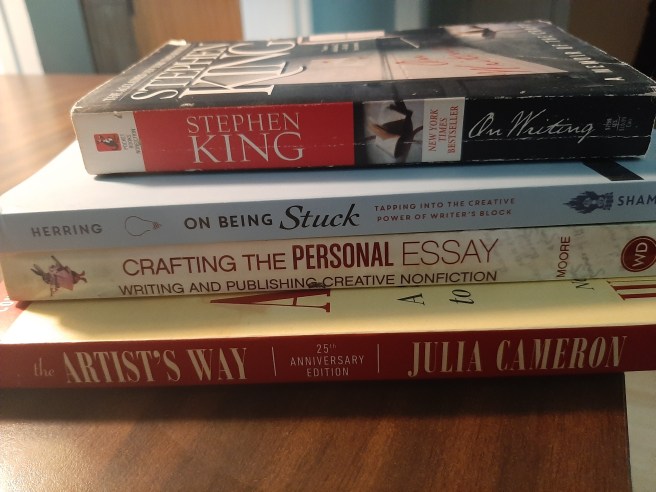
1. Books about writing. Naturally, books will fall on any writer’s wish list, especially books about writing, reading or creativity. What writer wouldn’t want to add to their library? There are plenty of books available about becoming a better writer, improving your habits, overcoming writer’s block and more. Check out some of these book suggestions. There are more suggestions here and here.

2. Writer’s tools of the trade. Every writer needs a current dictionary, thesaurus, AP Stylebook and/or University of Chicago Manual of Style to complete their library. Add The Elements of Style and a basic grammar book, and your library is complete. Even if you have a dictionary on your shelf, they are updated fairly often, so it might be beneficial to get a more current version.

3. Caffeine containers (also known as coffee mugs). No writer should be without their daily supply of caffeine. Check out this collection of humorous coffee mugs from Café Press that are sure to put a smile on your face.

4. A really, really nice pen set. Many writers I know write their stories longhand, so they need plenty of writing instruments to get the job done. Consider getting them (or yourself) a supply of really nice pens (within budgetary reasons, of course), or a stock of their favorite pen, if they have one. Working with a stylish pen can put you in a more serious frame of mind when you write.

5. Professional development. Instead of a physical item, consider the gift of experience or education. Continuous learning is important to most writers to stay on top of publishing trends. Writers are constantly searching for ways to improve their own craft and become better writers. Consider a gift of a Writer’s Digest subscription or an online course through Mediabistro.

6. Writing exercises and word puzzles. Exercise your brain and jumpstart your creativity with a magnetic word game. Each magnet contains a word, and with 100 or so word magnets, you can create some pretty imaginative poems. Put them on your refrigerator, and let the family create their own mini-short stories as they grab the milk.

Another option is the Writer’s Toolbox, described as “more exercises and games to inspire ‘the write side of the brain.’  Get the family involved with a Once Upon a Time storytelling card game. One person begins telling a story using the elements described on their cards, guiding the plot toward their Ending Card. But other players can interrupt the Storyteller with their own elements and the right to take over as the new Storyteller.

7. Jigsaw puzzles. Speaking of puzzles, jigsaws are ever popular. Not only does it give you a needed beak from writing, it’s a way to relax and unwind. If you’re stuck in a writing rut or you’re facing a tough plotting dilemma, taking time out to work on a jigsaw puzzle may be just the distraction you need to get your mind off of your writing problems.

8. A book of writing prompts
. Occasionally writers need help generating story ideas. To get the creative juices flowing, they might appreciate a book of writing prompts. Before you know it, the writer in your life (or even the writer in you) will be off and running on their next story.

9. Do Not Disturb signs. Some years ago, I once saw a sign that read “Do Not Disturb. Genius at Work.” I laughed at the time, but I think it succinctly describes the sentiment most writers feel when they are at work. Writers are creative geniuses who need privacy and quiet, uninterrupted time to plot, daydream, and craft their stories. Let people know that once that sign is on the door, it’s time to get down to work.

10. Music for your ears. Some writers enjoy a little background music while they work, so a few new tunes might put you in the mood to be creative. Even if you don’t listen to music while you work, music can calm you when you’re not working or make you feel like dancing when you’ve met a deadline.

11. Membership dues to a professional organization. If you have ever wanted to join a writers’ association, now might be an opportune time to give yourself a gift of membership. Some organizations charge only $25 or $30 annual fee to join, and if you’re lucky they may pro-rate it or give a holiday discount.

12. An inspirational poster. Looking for motivation? A framed print or poster with an inspirational quote can help you stay positive during those long stretches of writing time.

13. An ergonomic desk chair. With all the sitting writers do, it helps to have a good chair to sit on so you don’t suffer any back pain. How old is the chair you currently have and how often do you use it? Does it have enough cushion to support you? Does it allow you to plant your feet firmly on the floor? There are plenty of ergonomic chairs on the market that are designed to align your spine properly. They might cost a little more, but your backside will thank you.

14. Desk lamp. If you plan to spring for a new chair, why not add some new lighting to brighten your work space? Sometimes the right lamp can improve the lighting of your desk space while improving your mood.

At this time of year, it’s easy to become more focused on finding gifts for the people in your life. But don’t be shy about giving something to yourself. Self-care is important too, especially after the year we’ve all gone through. Remember to treat yourself well. The more you invest in yourself, the more you improve your writing life.

Happy shopping and happy holidays.