

Remember to check out the latest writing prompt on my website!
I’ve noticed an interesting trend in the books I’ve been reading lately. More and more, I’m reading stories with protagonists who aren’t the most likeable people on earth.
I’m not sure if it’s the types of books I’m reading, or that my self-study of writing has made me more aware of characters behaving badly. Perhaps I’m letting my moral compass dictate which characters I should and should not like. In any case, over the past year and a half, I’ve come across numerous protagonists with questionable habits and decision-making capabilities. Some of them I wouldn’t want to hang out with, let alone share a glass of wine.
I don’t necessarily like the term “unlikeable” in this sense. It implies that the character has no redeeming qualities, which is often not true. In you’re familiar with the Save the Cat storytelling method, writers are encouraged to give even the most awful villains some positive trait to balance out their personality. For example, after your character robs a bank and stabs a bank teller, he might come home and play with his two German Shepherds, a scene that shows his softer side.
Writing an unlikeable or unreliable protagonist isn’t necessarily a bad thing. Their flawed personalities might create chaos for the people around them and for themselves. Without their flaws, you wouldn’t have a story arc, an interesting, well-founded protagonist or conflict and tension that can keep readers reading.
Unlikeable protagonists can still be people we root for in the end. They can still earn our respect, even our compassion. It’s not always easy, but it can be done.
By my count, there are at least seven types of unlikeable protagonists (known in publishing as the anti-hero, which conjures up the song by Taylor Swift.) These characters simply get in their own way. I’ve listed them below along with a corresponding example.
1. Protagonists who don’t act their own age. These Immature characters act more like bratty teenagers than the mature adult they should be. Their behavior and decision making sets them up for trouble.
Example: The Girl I Was by Geneva Rose
2. A clingy protagonist or one involved in a co-dependent relationship. These individuals are so closely intertwined with another person that they lose sight of who they are and who the other person is. They’re so afraid of the future that they cling to the other person. Yet, they don’t recognize how the relationship has stifled their own existence.
Example: One Italian Summer by Rebecca Serle.
3. Protagonists with an addiction. Characters with an addiction to drugs and/or alcohol can find themselves in all sorts of trouble because their addition often clouds their perceptions and judgment. At their harshest moments, it can be difficult to feel anything for them. But of course, that is the basis of their conflict. Can they begin to resolve their conflicts despite the impact of their addictions?
Example: The Woman in Cabin 10 by Ruth Ware.
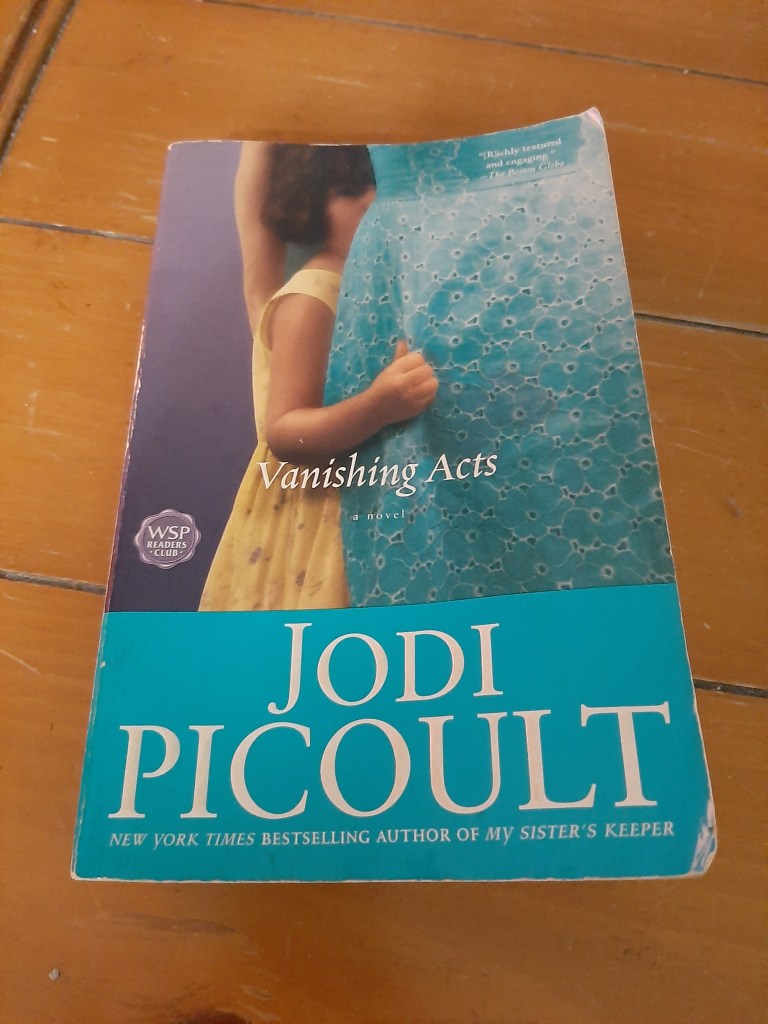
4. Protagonists who are unwilling to change their ways despite the truths they have faced. In a typical character arc, the character should experience some growth from point A to point F. But sometimes, the character doesn’t change much, no matter what they have learned or experienced in the story. Rather than embrace the changes that the plot begs them to accept, there is some aspect that scares them so much that they run and return to their old way of life.
Example: Vanishing Acts by Jodi Picoult
5. A protagonist with an obsessive personality. After tragedy strikes or a personal crisis, the protagonist focuses all their time and attention on fighting a cause or in caring for another person. But when that character becomes so obsessed with that they lose sight of their own needs or the needs of other people in their lives, it can create unbreakable bonds. Only when a crisis occurs with other characters do they realize that their life is out of balance.
Example: Handle with Care by Jodi Picoult
6. A protagonist who treats others with disdain and arrogance. It’s hard to like someone who treats others like they’re dirt. At first glance, they may not have any redeeming qualities. Yet, if you look more closely, they usually do, and it’s usually buried under a veneer of anger or sadness or loneliness. Take, for example, Carrie Soto might be standoffish and arrogant around her competitors, but you have to admire her work ethic, her single-minded determination to win every tournament, and most important, her devotion to her father.
Example: Carrie Soto is Back by Taylor Jenkins-Reid
7. A character who takes advantage of the good, kind nature of a friend or loved one. These individuals have learned to live off of others, whether it’s because they grew up in poverty and never had enough growing up, or they believe they’re entitled to other people’s possessions. In other cases, they are starved for love and affection and believe they can get it by needing the help of others. Their neediness and manipulation can cause a lot of strife between characters. Sometimes the friendship survives.
Example: Best Friends Forever by Jennifer Weiner
By observing these characters’ struggles, we learn to empathize with these flawed characters. After all, we all have our own demons to slay. Why shouldn’t your own protagonists have them too? Let them reflect the people you meet in the real world, people who have their own private struggles, whether it’s dealing with grief, an addiction, job loss, a divorce, or a health crisis. That’s what makes these unlikeable characters a little more likeable—their relatability.
Writing experts offer a few suggestions for making these characters work well in your stories, despite their flaws.
1. Make them relatable. Give them problems to overcome, with their flaws acting as barriers to their resolution.
2. Give them redeemable qualities. Allow their humanity to show through. Give them a quality people will respect. For example, the playground bully who goes home every day and plays with his dog.
3. Show how they became flawed. Whether it’s through backstory or it’s a part of the novel’s set up, show how your protagonist became the person they are.
4. Sometimes, it’ not about the character’s personality but about their decision making process. It may be that you don’t agree with the decisions they make, whether they’re right or wrong.
Writing and reading about an unlikeable character can be both fun and enlightening. Just don’t take them too seriously; they are only fictionalized people, after all. Remember that all characters are flawed in one sense or another. As readers, we can learn to empathize with their struggles, no matter how likeable they may be.






 The Regal Writer