Tips for Navigating Book Sales


Photo courtesy of The Regal Writer

Like most book nerds, I can’t resist a book sale. So when the Newberry Library in Chicago held their annual book sale this past weekend, I couldn’t resist checking it out.

I’ve been to a few other books sales in the past – libraries weeding out inventory, used bookstores closing, etc. Each one has presented its own challenges and opportunities. While they can be fun, it’s easy to get caught up in the moment and lose sight of why you’re there.

I recall one book sale I attended a few years ago. A shop that was closing announced it was giving away its inventory. People were invited to bring bags and boxes to grab all the items they wanted for free. Customers were lined up outside the door and down the street! I walked out of there with about a dozen paperback mysteries, most of which I never read and wound up donating elsewhere.

With so many books to choose from, the book sale experience can be a bit overwhelming. That’s why I suggest having a plan so you don’t get distracted and overbuy, (or in the case above, grab more than you will ever read.). Yes, there is such a thing as buyer’s remorse in book shopping.

Here are a few other tips so you can escape from the book sale with your sanity—and budget—intact.

Tip 1: Be prepared. Make a list of book titles and/or authors you’d like to add to your existing collection. Stick to that list, if at all possible. Naturally, you’ll find gems you hadn’t expected to find, but that’s okay. Allow a little room in your plan for those unexpected. But don’t go overboard. If you stick to your plan, you’re less likely to get distracted, less likely to overbuy.

Tip 2: Set a specific goal. Part of your plan should be to set a goal for your book sale excursion. Do you want to add more classics to your collection? Do you want to find a new genre, such as science fiction if you’re not used to reading those types of books.

Tip 3: Set a budget. It’s easy to go overboard when you’re browsing hundreds of deeply discounted books. This is especially important if you’re on a limited budget. So setting your limit to 10 or 20 dollars will get you the books you want without breaking the bank. Alternately, set a cap on the number of books to buy. Even if that quantity is one. (But if you’re like me, you can never stop at one). By setting a budget or cap on purchases, you’re practicing the necessary discipline while still enjoying the thrill of the chase.

Tip 4: Walk around the shop or library first. It might help to get the lay of the land before actually shopping. That way you can see what types of books are available, how much they cost, how many they have in stock. Of course, if there’s only one of the item you desperately want, I’d grab it before someone else does.

Tip 5: Bring your own bag (or box). This is especially important if you plan to purchase a lot. Remember to keep the bag or box small because, as I’ve learned from experience, the bigger the bag, the more likely you’ll want to fill it!

Most important, be sure to thank the hosts. Books sales require a lot of work as well as the time and commitment of many staff and volunteers. Let them know how much you appreciate their effort. And if it’s a closing book shop, thank them for their years serving the community.

With a bit of planning and discipline, books sales can still be a fun way to add to your book collection.
Take a Literary Tour of Chicago

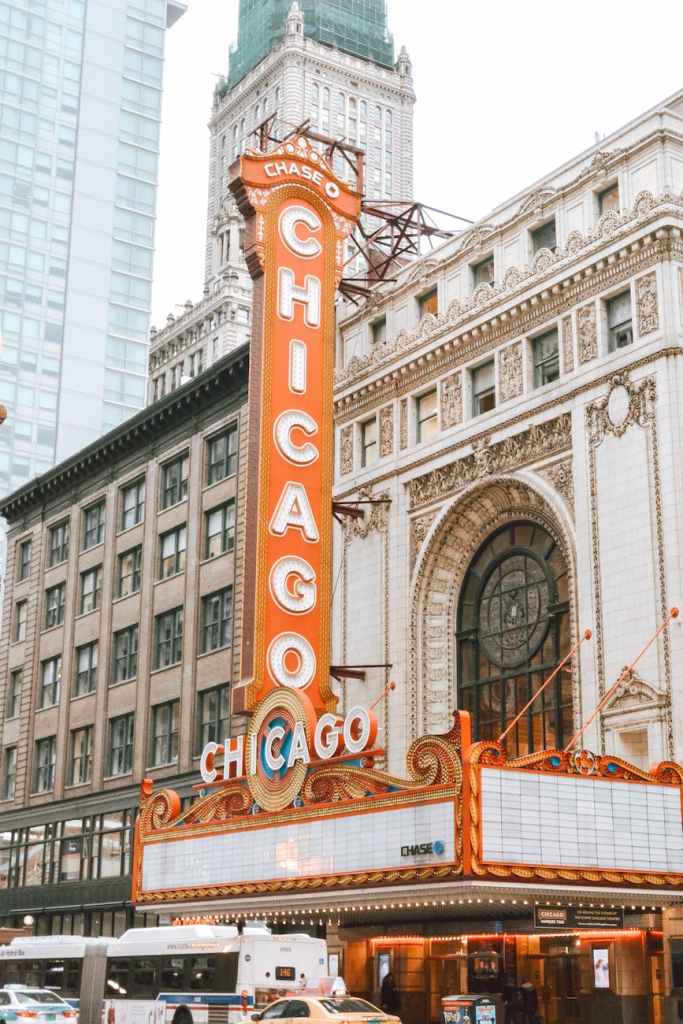
Photo by Amy Burry on Pexels.com

A few weeks ago, I wrote about ways to enjoy a book-themed vacation. Ideas ranged from a reading staycation with lots of beach reads to reading in a different location in your hometown. Another idea was literary tourism, either in your own town or in another location well-known for its literary history. Think London, Paris or San Francisco.

I’m fortunate to have grown up in Chicago, which has its own literary history. It’s the birthplace of numerous famous authors, such as Ray Bradbury (in suburban Waukegan), Sandra Cisneros, Gwendolyn Brooks, Richard Wright and mystery writer Sara Paretsky, among others. It’s also provided the backdrop for numerous books, films and TV shows.. With so much literary history, there’s much to see and do.

Here’s a quick rundown of what you can experience if you decide to make Chicago a literary vacation destination.

Museums, libraries and landmarks:

American Writers Museum – One of my favorite places to hang out, the American Writers Museum provides exhibits, workshops and author discussions, all dedicated to the art and craft of writing.

Newberry Library – Not only home to the world’s largest three-day book sale, but a great place to go to learn about genealogy. It’s also the backdrop for numerous scenes from Clark and Division, Naomi Hirahara’s historical fiction/mystery novel set in the late 1940s.  

Museum of Science and Industry. If you’re a fan of Erik Larsen’s Devil in the White City, check out the MSI, which is the only remaining structure left from the 1893 World’s Fair

Poetry Foundation – For those interested in poetry, this modern building is a beautiful setting that can inspire any poetic soul. With more than 30,000 volumes of poetry, the foundation’s library is the only one in the Midwest dedicated to poetry.

The Sulzer Library – Housed in a historic building on the northwest side of Chicago. Compare that to the modern setting of the main Harold Washington Library. Take a tour of local libraries, some housed in beautiful old buildings, like the one I frequented when I was a child.

Monandock building – Located in the South Loop among many other older office buildings, the Monandock building is where Sara Paretsky’s private investigator V.I. Warshawsky had her office. In fact, if you’re a fan of Paretsky’s work, you can visit all the locales mentioned in her books, courtesy of Chicago Bike Adventures.  

The Understudy Coffee and Books – When you’re ready to take a break from all the sightseeing, visit the Understudy, a theater-themed coffee shop and bookstore. Located in Andersonville on the north side of the city, you can browse books about set design, acting technique and plays.

Author homes in the city:

Interested in finding out where some Chicago authors were born and raised? Check out this map from the Chicago Literary Hall of Fame, which pinpoints key literary locations in and around the city. You can find out amazing details about some of the most prominent authors from our fine city, including:

L. Frank Baum, author of The Wizard of Oz, who grew up in a house at 1667 N. Humboldt Blvd. The home has received a Chicago Tribute Marker of Distinction. (Number 8 on the map)

Sandra Cisneros’ house, similar to the one that she described in The House on Mango Street. (No. 17)

Saul Bellow’s childhood home on Augusta Boulevard, which was given the honorary status of “Saul Bellow Way. (No. 11)

Nelson Algren fountain and his favorite saloon (No. 4 and 5)

Richard Wright’s home where he lived with his extended family from 1929 to 1932 (No. 33)

Outside Chicago:

Earnest Hemingway Birthplace and Museum – Hemingway may have made his home in the Florida Keys, but did you know he was born and spent his early life in Oak Park, outside of Chicago? Visit the old Queen Anne home where he was born, and check out the numerous artifacts from his childhood in the museum.
 
Ray Bradbury – Sadly the Ray Bradbury Experience Museum in his birthplace of Waukegan, closed in May 2023. However, you can still find memorabilia of his life and career at the Waukegan Public Library, such as his typewriter and a statue of him outside. His personal collection of books and artifacts will be on display at the Waukegan History Museum at the Carnegie, which is under construction as of this writing.

Carl Sandburg Historic Association Site in Galesburg – Born in Galesburg, Illinois is 1878, Sandburg was a Pulitzer Prize winning author of poetry and history. He also wrote biographies, fiction and newspaper articles, and was a lecturer and folk singer. With the help of the association’s driving tour brochure, you can visit all of the Sandburg historic sites in Galesburg. 

I’m sure there are plenty more literary themed sites to visit throughout the state that I have not mentioned. Wherever you go, keep it educational, literary and fun.