
Ten Recommended Books about Fathers and Fatherhood

Photo by Ksenia Chernaya on Pexels.com

A few weeks ago, I shared my list of recommended books about mothers and motherhood. This week, to commemorate Father’s Day, I’ve created a similar list of great reads about fathers.

Like my Moms’ list, Dads come in all shapes and sizes and bring all sorts of drama and emotional nuance to these stories. In some instances, Dads were a minor character or a deceased one that still left a major influence on an adult child, sometimes many years later (Shoeless Joe), while others are the main character of the novel trying to make their way in the world while providing a good life for their children (The Shipping News). I’ve also included one memoir, a positive reflection on a father’s love of sports that was passed on to his daughter (The Best Seat in the House). 

In almost every book, the father character brings intrigue and conflict. You can’t ignore the impact a father has on their child—for good, bad or indifferent.

By the way, most of these are also films, so if you don’t feel like reading, you can always watch the story unfold on the screen.

Without further delay, here are my best book recommendations with strong father figure characters. You may have your own list, of course. What books have you read that featured a strong father figure character?

To Kill a Mockingbird by Harper Lee
Told from the point of view of six-year-old Scout Finch, readers not only learn about life in the South during the Great Depression, but about Scout’s relationship with her father, Atticus, a widower and a lawyer who wants justice to be served and to bring up his children right.

Bee Season by Myla Goldberg

As Eliza attempts to win the national spelling bee, her father becomes obsessed with her success. As she gets deeper and deeper into her “training” under her father’s tutelage, the family’s connections begin to unravel. Readers see how controlling her father becomes, which impacts all his familial relationships.

The Namesake by Jhumpa Lahiri
Not everyone appreciates the name they’re given at birth. Gogol is haunted by his name, given to him by his father who named him after an author he had always admired but who came with a lot of baggage. The unease that Gogol feels about his name fuels many of the conflicts in his life, especially those with his father.

The Secret Life of Bees by Sue Monk Kidd
Set in 1964, this is a coming-of-age story about 14-year-old Lily who runs away from home with the family housekeeper in search for the truth about her mother. I included this book on this list for the impact Lily’s father had on her life and the final showdown she has with him in an attempt to claim her independence.  

Disgrace by J. M. Coetze
After being accused of sexual misconduct by a student, English professor David Lurie leaves the university “disgraced” and moves to South Africa where his daughter Lucy lives. There he attempts to mend the broken pieces of their relationship.

Vanishing Acts by Jodi Picoult
Life isn’t always the way we believe it to be. Delia’s life is turned upside down when she learns that she was kidnapped by her father when she was four, an incident she has little memory of. As events unfold, Delia is forced to confront some hard truths about her father (and mother), though she stays loyal to him in the end.

Shoeless Joe by W. P. Kinsella
The movie Field of Dreams is based on this novel by W.P. Kinsella. Farmer Ray Kinsella heeds the call to build a baseball field in the middle of his Iowa cornfield. As he follows a trail of clues, he ponders his life without his long deceased father who had longed to be a baseball player. Each step takes him closer to his ultimate reward—reuniting briefly with his father.  

The Shipping News by L Annie Prouix
When Quoyle loses both his parents to suicide and his wife leaves him for a younger lover, he moves with his children to Newfoundland to a house that was in his family for generations. What struck me most about this story was Quoyle’s dedication to his children and his willingness to uproot their lives and start over in an part of the world to protect them from the pain and grief he has suffered through.

The Hundred Foot Journey by Richard C. Morais
One of my favorite books and a pretty decent film. After their restaurant in India is destroyed by fire, killing their mother, an Indian family moves to London, then to Paris where young son Hassain begins to find his way in the culinary world against his father’s wishes who wants him to remain true to his Indian roots. Despite his gruff manner, Hassain’s father truly loves his family, and readers see determined he is to keep the family together as they struggle to adapt to life in a new country.

The Best Seat in the House by Christine Brennan
If you read USA Today, you no doubt have read some of Brennan’s stories. She’s covered sports for several decades at a time when few women covered the sports beat. In this memoir, Brennan pays homage to her father, an avid baseball and football fan who followed the Detroit Tigers, Toledo Mud Hens (the Tigers minor league team) and Notre Dame. It’s a fun read to learn how father and daughter can bond over sports. These are all great reads, by the way, no matter what time of year. And you don’t have to be a father yourself to enjoy them.

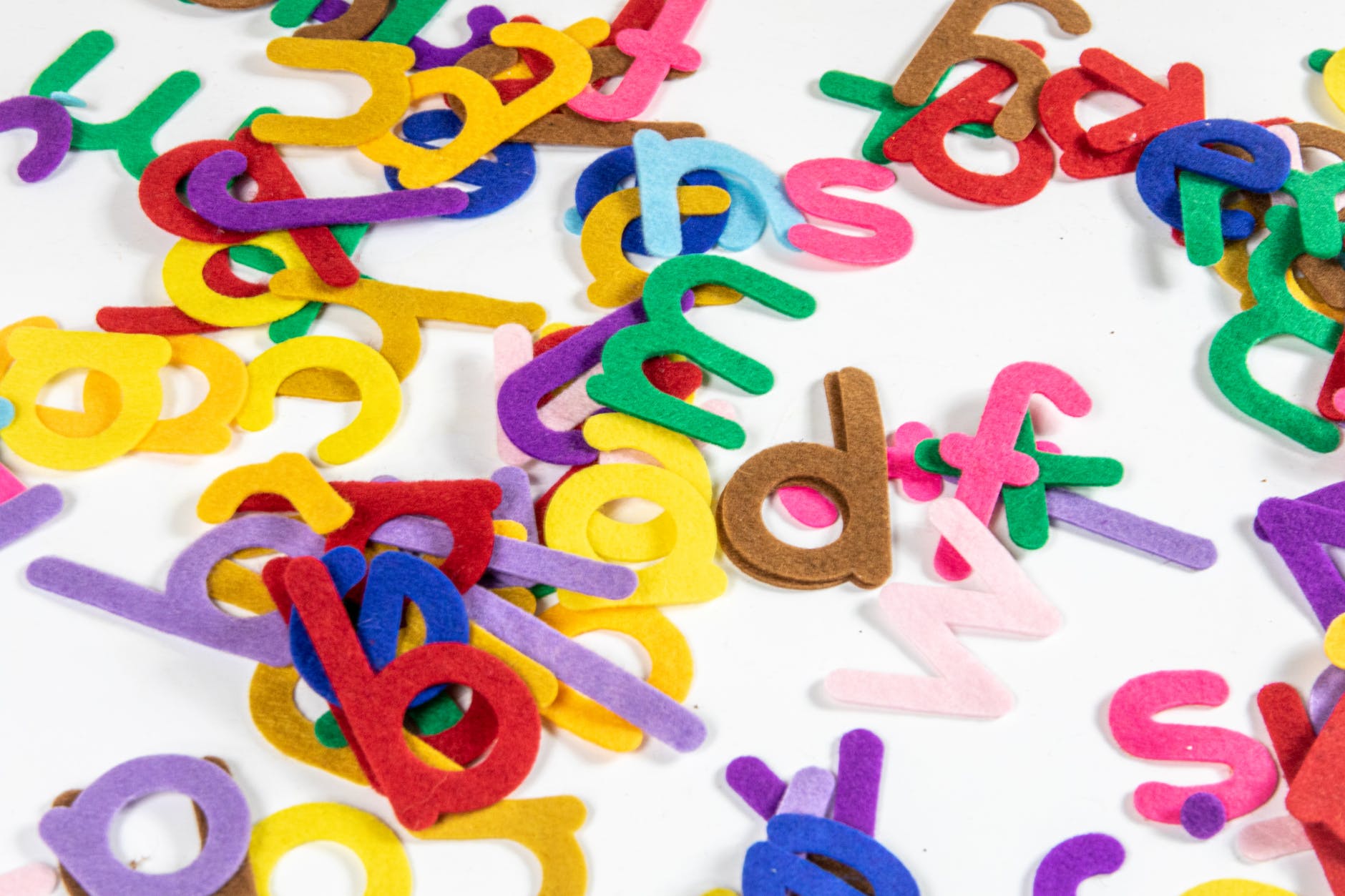
How Reading a Variety of Books Can Improve Your Writing

Photo by Mikhail Nilov on Pexels.com

When I first began my writing journey nearly about five years ago, I was inspired by Stephen King’s book On Writing, in which he encouraged writers to read often and read a variety of book titles. Around that same time, I had started volunteering for a non-profit group that provided books to incarcerated women, and I became familiar with the books they often requested from our library (most of which were donations). So I was reading everything from true crime, prison life and re-entry to African-American and Hispanic fiction.  

Adding fuel to the fire was a blog post I came across about a reading challenge—reading books under certain categories, themes, genres or book titles—no matter how crazy those titles might be. The list included everything from reading a non-fiction book, a book about motherhood, a book turned into a movie or TV series, or a book with a color/number/person’s name in the title. You get the idea. The challenge wasn’t about how many books you could read, but the variety. It simply added another layer of fun to the activity of reading.

Put altogether, reading a variety of books became ingrained in me. So what that I rarely read the current bestseller? I learned as much by reading a classic John Steinbeck novel as anything else on the current bestseller list. I learned that every book you read can teach you something about writing.

More important, reading a variety exposed me to authors I probably would never have read (Toni Morrison, for example) and about different cultures and perspectives (Indian culture through the work of Jhumpa Lahiri, for example). It showed different uses of language and unique and interesting characters and settings (fantasy, for example).

Reading a variety has also shown me the things that don’t always work in storytelling and what does and does not appeal to readers. That knowledge is helping me craft better stories, stronger plots and more interesting characters. (At least I hope it does.}

Reading a variety can nudge you out of your comfort zone and challenge your brain to see things differently. If all you ever read is the same genre, boredom can settle in and you’ll likely see the same plot lines and the same types of characters over and over again. When that happens, it may be time to mix things up a bit. After reading a couple of historical fiction novels, switch it up by reading a memoir or a classic. You can always return to your favorite genre.

Here’s what you can learn about writing by reading outside your favorite genre:

  • Sci Fi/Fantasy – Learn about world building with its own unique population and language. This challenges you to think outside the box.
  • Mystery/thriller – Learn techniques for pacing and creating suspense.
  • Literary – Learn about character-driven plots, character motivation and story arcs.
  • Memoir – Learn about a person’s history, emotions and experiences. What makes them tick? How did they become the person they are now?
  • Non-fiction – Learn to explain technical or complex subjects. Get background information about a subject.
  • Commercial fiction or current bestseller – ask yourself why they are so popular with readers. What is their appeal? Why are people buying this book?
  • The classics – Learn about the use of language from years ago. Important if you’re writing historical fiction.
  • Plays/drama – Pay attention to dialogue. How do the characters speak and relate to one another?
  • Read Latino, African-American, Native-American, Middle Eastern, Asian-American authors – Notice how their culture influences their story telling.

The way I see it, reading is the flip side of writing. Without reading, we would never experience the fine art of storytelling. So read a lot, and read a variety. Your creative writing self will thank you for it.

Can Your Character’s Name Affect Their Destiny?

Photo by Magda Ehlers on Pexels.com

I remember when I was a teenager, I went through a brief phase in which I disliked my first name. For some reason, I felt it was too formal to fit my emerging identity. Thankfully, that phase was short-lived. Today, I appreciate my first name (Regina) more than I ever have before. I feel fortunate that I have my formal name and a shortened version (Gina) that my family calls me.

Other people aren’t so lucky. Thousands of individuals have their names legally changed due to a number of reasons. More often than not, it’s because they feel the name doesn’t suit them in some way.

If it can be so difficult for real people to accept their birth names, imagine how fictional characters feel about the names you bestow upon them?

“Your name is not only your calling card, it is also something that uniquely distinguishes you from everyone else and may even determine, to a large extent, who you turn out to be in your lifetime,” according to the introduction to The Hidden Truth of Your Name. “The name you ‘wear’ affects not only how others perceive you, but also how you perceive yourself.”

Take Gogol, the lead character in Jhumpa Lahiri’s novel, The Namesake, who grew up hating his name so much that he legally changed it to Nikhil when he was a young adult, believing that a name change would also change the way other people saw him – and more important, how he saw himself. 

“If you truly understood the meaning of your name in all its mysterious and hidden aspects, could you use that knowledge to affect your own destiny? Would it be possible to take advantage of the inherent power of your name to alter the direction of your life for the better?” continues THTYN

As writers, we wield a lot of control over our characters’ literary destinies simply by giving birth to their stories. What you name them matters. Some names work well; others not so much. How many times have you changed a character’s name because it didn’t quite fit their personality as the story evolved?

One true sign that your chosen character’s name works well is that it sticks in readers’ heads. So it’s important to make it memorable. Imagine if Harry Potter was named Rudolph Kristoffer?

A strong character name should establish three things, according to the Reedsy blog.

* Clarity — The right name helps readers differentiate that character from other major players in your story.
* Character – The right name reveals personality and type of character without the author having to explain anything.
* Bankability – The right name can make your character iconic.

Further, there are certain things to keep in mind when considering possible names for your characters. NY Book Editors offers these tips:

A character’s age – Some names are better suited for young adults while others are better suited for older adults.  For example, you rarely come across a Dorothy among today’s teens, while it was significantly more popular sixty years ago.

A character’s parents – Remember that it’s the character’s parents who name their child, not you. Consider what their logic may be for naming their child a certain way.

The location of the story – Names vary based on location. Mary in the United States is Maria in most Latin countries and Marie in France.

Genre of the story – Writing in certain genres may dictate different styles of names. For example, in science fiction and fantasy, the names may be more obscure and more creative. Think Katniss in The Hunger Games or Dumbledore in the Harry Potter series.

The general rule of thumb is to create names that are easy to pronounce, easy for readers to remember, and fit the character’s personality.

Other naming tips apply. Avoid names that sound alike (Kelsey and Chelsea), names that start with the same letter (Tim and Tom) or names that are close to one another (Laurie and Lauren). Make sure each character has their own unique name so readers see them as distinctive characters and personalities.

For help, there are numerous sources to go for inspiration. You can pick up a baby name book or phone book for starters, or look up the top names of the year in Google. If you’re writing a story set in the 1950s, it might be wise to research names that were popular in that year. Similarly, if your story takes place one hundred years from now, understand that many of today’s popular names may not fit that future environment. You’ll have to create a few names that don’t exist now.

Also try automated name generators, which you can find at Name Generator Fun and the Random Name Generator. Some of these sites will even provide brief personality descriptions so you can find one that suits your characters.

My favorite source is The Hidden Truth of Your Name, a compilation of names and their meanings based on three mystical interpretations: The Kabbalah, runes and numerology. The book also provides spelling variations for more unique possibilities. The detailed descriptions provide insights into the type of person/character they can become. Reading about my own name provided clues to my personality, many of which were spot on!

Naming characters takes a lot more thought than you imagine. You have to consider the type of person you want them to be, the role they will play in your book and their age and cultural background. It can be challenging, but it can also be fun.

What’s in a name? Plenty. With the right name, your characters can reveal subtle hints about who they are and who they want to become. If you’re lucky, they’ll like the name as much as you do.