
How Independent Bookstores Make an Impact on Readers and Communities

Photo by Tuur Tisseghem on Pexels.com

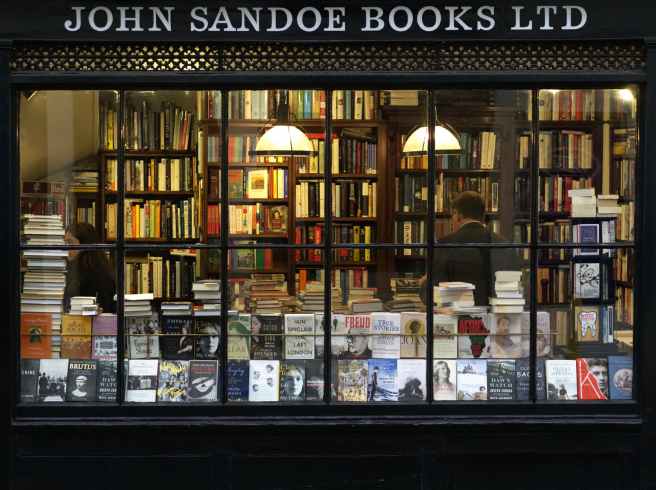
I love visiting independent bookstores, especially the one in my neighborhood. There’s a cozy, warm, welcoming feeling the moment I walk in the door. I can usually find something on their shelves that I can’t find at other sales outlets.

Indie bookstores are key contributors to the local economy, provide kind and friendly service to customers, and simply make the book shopping experience more pleasurable.

This Saturday is Independent Bookstore Day, a time when we can all show our love for independent booksellers by visiting their shops, browsing their shelves and making purchases.

Indie bookstores never went away, even as larger, online retailers dominated the market. While some indie stores did go out of business, many others have thrived and the industry continues to grow. According to the American Booksellers Association, the national trade group for independent booksellers, 254 independent bookstores opened in 2022 of which 179 were brick-and-mortar shops. Another 198 bookstores were expected to open in 2023 and 2024 nationwide. Meanwhile, only 53 indie bookstore businesses closed in 2022. The future looks bright.

A recent white paper by Harvard Business School attributes the resurgence of independent bookstores to their three main strengths: community, curation and convening.

Community—Bookstore owners won back customers by stressing stronger connections to the local community. They often give back to their communities, and choose book titles that reflect the interests of local residents.

Curation—Bookstore owners are focused on acquiring inventory that provides a “more personal and specialized customer experience.” In doing so, they have developed better relationships with customers by helping them discover up-and-coming authors and unique titles that they may never have considered reading.

Convening—Independent bookstores have become places to gather for everything from book signings and reading groups to lectures, game nights and birthday parties—events that online retailers can’t offer.

I would add one more component to the mix: personalized service. By focusing on the quality of book selections (rather than quantity) and the book knowledge of their staffs, indie booksellers can offer titles geared toward specific needs and interests of local readers. Staff are readers too, and their book reviews and suggested readings can help customers choose books based on their recommendations. Even Barnes & Noble has adopted this approach to bookselling to get back into brick-and-mortar bookselling.

These businesses are also strong advocates for free speech. They speak out against book bans and showcase the work of authors from underrepresented communities.

I have my own personal reasons for appreciating indie bookstores:

* I often find authors and book titles that I wouldn’t find elsewhere. I have found some true hidden gems on their shelves.

* Some bookstores specialize in a particular genre. For example, a romance-based bookshop opened recently in my area and, so far, is doing quite well.

* The store often offers discounts for special events, like Independent Bookstore Day and Black Friday, and my favorite place has a decent discount sale section.

* The staff are knowledgeable about the latest releases and up-and-coming authors. Their Staff Picks section is usually an interesting mix of classics, trending titles and new authors.

* Because they’re community-focused, they support and cross promote with other businesses in the neighborhood. For example, on a busy Black Friday, a bakery from the area provided freshly baked cookies for their event.

* They support the local publishing scene and authors. One author I know has her self-published memoir on display at a couple of independent bookstores.

* Booksellers are advocates for free speech. They fight against book bans and make sure the works of underrepresented authors get on their shelves.

Independent bookstores are here to stay, and for that I am grateful. Without them, I would not have been able to broaden my reading interests.

What about you? Do you visit independent bookstores? What do you love most about them?
Cheap, Easy Ways to Build Your Home Reading Library

books school stacked closed
Photo by Pixabay on Pexels.com

February’s theme is “For the love of books.”

There’s nothing like purchasing a brand new book hot off the press. The pages are crisp and untouched by human hands and the cover art is still bright and vivid. But books, especially hardcovers, can be expensive. If you buy them frequently, the costs can really add up. Even with the 20 percent discounts some retailers offer for new releases, it barely makes a dent in the final cost.

Building a home reading library doesn’t have to put you in the poor house. You don’t have to pay full price to build your library. For starters, stay away from hard cover books, if possible, which automatically adds to the cost. If you’re willing to be patient, wait for the soft cover to be released, which is often cheaper. This, of course, is a no-brainer.

But there are other ways to acquire books without spending a small fortune. Here are a few places to look.

Public library – Naturally, the public library is the first place to check out. The books and other materials are free to use, but they don’t belong to you. After a few weeks, you will have to return them. While that can save on space in your own home, especially if you don’t have a lot of spare space to begin with, it can be disappointing to have to return a book you fell in love with. It’s also possible that you won’t finish the book in the set amount of time they give you, usually three weeks. That means having to return it and renew it for another three weeks. And who has time to trudge back and forth to the library? Still the public library is great for browsing book titles you’d like to own and learning about new authors.

Book swap – If you know a lot of other readers or you come from a family that likes to read, you may be in luck. Ask what they’ve been reading lately. If it’s something they would recommend, ask if you could borrow it. Even better, swap books with them. Book swapping keeps the books circulating instead of collecting dust on the bookshelf, and everyone involved has a chance to add to their literary knowledge.

Book sales/book fairs – Check your town for books sales or book fairs, which is a great hunting ground for new and used books. The books for clearance may come from libraries trying to downsize their collections and make room on their shelves for new items, and from book stores trying to sell their overstock. In Chicago, for example, there’s the annual Printer’s Row Lit Fest where you’ll find rows and rows for book vendors selling books at a deep discount and the Newberry Library book sale. It’s easy to stock up on reading materials for the entire year without spending a fortune. You can often find books for under three dollars.

Used book stores – There seem to be fewer and fewer used book stores in this era of e-readers and Amazon. Still, they can be fun to hang out searching for whatever strikes your fancy in your favorite genre.

Thrift shops – Thrift shops sell more than gently used clothes and furniture. Somewhere in a dusty corner are shelves of books, and they can be found fairly cheaply. If you’re not looking for anything in particular and don’t mind the run-down condition, a thrift shop might be a fun place to explore.

Little Free Library – In some neighborhoods, you may find a little wooden school house on a pedestal holding a couple of shelves of books. The Little Free Library is similar to a book sway, except on a more public scale with people you don’t see. You can donate a few books of your own in exchange for taking a few from their shelves. You can find out if there’s a little free library in your neighborhood by visiting their website.

Online discount retailers – If you prefer to shop online for your books, there are other options besides Amazon and Barnes & Noble. Check out a site like Better World Books, where you can buy clearance books for $3 or $4 each, and the proceeds go to benefit literacy programs and libraries.

Nonprofit organizations – Check out nonprofit groups in your area that specialize in literacy and writing programs benefiting under-served populations. For example, Carpe Librum and Open Books, both in Chicago, collect donated books for resale to help fund literacy programs. They’re store front shops are great places to hunt down titles on your must-read book list.

If you’re an avid reader like me, it can be helpful to keep a running list of book titles and authors that you’re eager to read. Carry the list with you in your wallet or purse as you go shopping or run errands. You never know when you will run across one of the titles in your day-to-day activities.

When you’re on a tight budget, shopping for books at full price can be impractical. But just because you don’t have a big budget for book purchases doesn’t mean you have to sacrifice your reading habit. You can still build your home reading library on a strict budget. You just have to know where to look.