
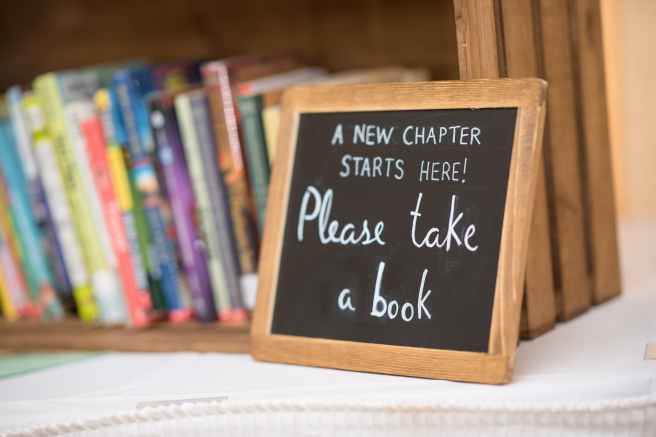
Honor Your Inner Writer During November National Writing Challenge

Photo by Suzy Hazelwood on Pexels.com

Whether you’ve been a writer for some time or you’re just starting out on your writing journey, you likely have heard about National Novel Writing Month, which takes place every November. While the organization that started this event has shut down, the mission still holds true: to encourage writers of all levels of experience to amp up their productivity. The aim is to write 50,000 words during the month, or approximately 1,666 words per day.

That’s a hefty load for any writer. It’s much like aiming to walk 10,000 steps that doctors recommend (or about five miles). Who has time to do that? Both activities require more time than most people have available to them. 

The way I see it, the November Writing Challenge can be about any goal you want to achieve. It doesn’t have to be about 50,000 words if that goal is too steep. The Challenge is about finding new ways to fit writing into your life, whether that’s writing for one hour per day or writing only 500 words per week. It’s about stretching yourself beyond what you’re used to doing in your writing life. Plus it just feels better knowing other people are going through the challenge too. There’s power in numbers, and it’s empowering when you know you’ve got other writers beside you. Remember, the November Writing Challenge is whatever you want it to be.

Several writing communities offer their own writing challenges and support systems for writers. For example, Story Forge’s challenge is 30,000 words, or about 1000 words per day. That’s a more accessible goal for many people. You can find quite a few others like Reedsy, ProWriting Aid and AutoCrit. 

No matter which challenge you follow or if you make up your own like I’m doing, the key point to remember is to stretch yourself. Aim for more words. Longer writing periods. Or do something different. Consider these other possibilities:

* Draft one flash fiction story (about 1500 words) or a short story (up to 15,000 words) per week
* Commit to writing 500 words per day, the equivalent of two pages.
* Write for 30 minutes per day, especially if you’re used to writing sporadically.
* Write your current work-in-progress from a different character’s point of view.
* Write in a different genre than you’re used to. If you’re used to writing fiction, try writing essays.

You might consider some non-writing activities too.

* Read the first draft of your current work-in-progress, noting changes you want to make in the margins. But don’t make the changes just yet.

* Read about the writing craft. If you’re new to writing, this might be a good time to become familiar with the tools you need to craft your story. Learn about plotting, story structure, character development, conflict, etc.

* Got a story dancing in your head? Sketch out several scenes to get your creative juices flowing.

* Do background research. Is there a subject you know nothing about but is imperative to your current project? Spend a few minutes each day researching that topic.

* Spend some time world-building. What do the settings in your story look like? Whether you’re writing a fantasy in a make-believe world or a mystery set in a small town, take time to convert the setting from your imagination to the paper or screen.

* Work on character development. Get to know your characters by writing profiles of the main ones. Describe more than their appearance, but their desires, their personality quirks, their strengths and weaknesses.

The beauty of the November Writing Challenge is to make it whatever you want it to be depending on your goals and what you’re working on. You set the goals and how you’ll measure your success. Just remember to ramp up the activity so you’re challenging yourself to do something different or to improve your productivity.

For example, I plan on using November to draft a holiday romance novella. I’m already prepping by sketching out scenes I plan to write later. My goal is to draft five pages per day, or roughly 1000-1,2000 words. If all goes well, my rough draft should be complete by the end of the month.

If you’re creating your own challenge, it might be helpful to follow these basic rules:

* Establish your goal for November. What do you want to accomplish by month’s end?

* Make sure your goal is measurable. How do you know you’ve achieved success? Set a specific time limit or number. For example, aiming to write 1000 words per day or writing for 15 minutes before bedtime.

* Track your progress. Using a calendar, mark a symbol or star on the days you write or jot down how many words/pages you finished.

* Be sure to ramp up the difficulty. If you’re used to writing three days a week, what can you do to increase that output to five days?

* Reward yourself. When November ends and you can see the progress you’ve made, celebrate your accomplishments. Perhaps treat yourself to a low-cost writing webinar or a book about the writing craft.

You don’t have to target 50,000 words to be successful during November Writing Month. Whether you commit to writing one page per day or 1000 words per day, simply by sitting down to write, you’ve already achieved success.


Why Writers Need to Celebrate Their Failures

Photo by Tairon Fernandez on Pexels.com

As you might have heard, the Chicago Marathon took place last week, winding its way through the streets of our grand city. Watching the coverage on TV, one comment stood out–that just starting the race is a victory and success in itself.

It’s often said that writing a novel is a lot like running a marathon. The two activities have much in common:

  • Both require hard work to prepare for the long haul. While a writer’s legs may not be moving as they write, their brains are to conjure up plots and dialogue. 
  • Both require commitment of time and energy to keep training and working toward the end goal.
  • Both require continuous learning and dedication. Athletes continue to learn about how their bodies respond to the physical demands of running a race, while writers continue to learn about their craft and how their creative minds work. 

Perhaps the biggest similarity is this: Success comes by getting to the starting line or by sitting down to write. Because the only true sign of failure is not showing up. 

That’s why we must honor our successes AND our failures. After all, failure has a lot to say about our success.

For runners, failure might look like pulling up lame during a race and having to quit, or it might mean an injury or illness sidelines them. For writers, failure might mean never finishing a story you started writing or receiving rejection letters for a story you poured your heart and soul into. 

The Rome Business School in Italy outlines several benefits of embracing failure in our work, no matter what kind of work that might be. Failure can help you:

  • Develop resilience – the ability to bounce back from setbacks and challenges.
  • Encourage creativity – It forces you to consider other solutions to your writing problems and think outside the box.
  • Foster a growth mindset – It helps us view challenges as opportunities, which we use as a stepping stone toward our main goal
  • Build confidence – Failure doesn’t have to define you. Instead, it can set the stage for figure efforts.

Thomas Edison, who invented the light bulb, phonograph, and movie camera, among other things, failed many times. He was noted for saying: “I have not failed. I’ve just found 10,000 ways that won’t work.”

The lesson to be learned from Edison is this: If we find something that doesn’t work, it doesn’t mean we failed. It simply means that we need to explore other possible solutions. 

Since failure can be instrumental in our career growth, it might be worthwhile to celebrate and honor your writing failures as much as your successes. Here are some possible suggestions:

  • Compile all your rejection letters and save them in a file. Occasionally read them to remind you of how far you’ve come in your writing journey. Seeing the feedback can spur you to keep working toward your goal or to find solutions to some of your nagging writing issues. Some writers even frame their rejection letters so they can see them all the time.
  • Light a candle and read each rejection letter out loud. Alternatively, if you’re working with beta readers or an editor, read aloud any of their negative feedback. Try not to react viscerally to comments, but allow their meaning to sink in. Maybe they didn’t get the message you were trying to convey in your story, in which case you may need to rewrite the message differently.
  • Journal your reactions to failure and rejection. As you write, you might discover why rejection makes you feel like a failure or why it has such a strong hold on you.
  • Rethink the role of failure in your work. Sometimes you have to view it as a stepping stone toward your ultimate goal rather than a dead end. What can you learn from the failed experience? Failure can teach us many things–courage, perseverance, resilience. It can coax you to try new techniques and pull you out of your comfort zone.

Whether you’re an athlete training to run in the next marathon or a writer working on their first (or tenth) novel, it’s okay to embrace failure. It has a lot to teach us if we’re willing to listen to its lesson and learn from it. The only true failure is not trying.

What Is a Hybrid Genre, and Should You Write One?

In a recent issue of Novel Suspects, the weekly newsletter from Simon & Schuster featuring mystery and thriller releases, a contributor wrote about a unique hybrid genre: mystery and humor. 

Who doesn’t like a little humor with their murder and mayhem, right?

At first glance, combining mystery and humor wouldn’t seem to work well together. But they can and they do, judging from the list of titles the writer included as examples, such as Finlay Donovan Is Killing It by Elle Cosimano and Every Time I Go On Vacation, Someone Dies by Catherine Mack. (That title alone makes me laugh out loud.).

That got me thinking about all the other hybrid genres I’ve come across in my reading. I was practically weaned on romantic suspense which has been around for decades, popularized by Mary Stewart, Victoria Holt and Phyllis Whitney. Their books evolved from gothic romance novels of the early 20th century.

Other hybrids have become popular, such as paranormal romance, historical mystery and romantasy, combining romance and fantasy.

Genre blending works by combining key elements, tropes and conventions that you’d find in each genre. Hybrids act as a gateway to new reading experiences. Readers who might not pick up a book in the fantasy genre might be inclined to read one when it’s combined with a little bit of romance. 

It’s become popular because hybrids cater to different reading tastes. It allows authors to experiment and explore complex themes, characters and world-building. Hybrids, because of their combined genres, can be promoted to wider audiences too, create more buzz and attract media attention. Once readers learn about these titles, word of mouth through social media is also possible. Here’s a great piece about hybrids at the Dabble blog.

So what blended genres are hitting the bookshelves these days?

  • Science fiction and romance  (They Both Die at the End by Adam Silvera)
  • Cozy fantasy  (Legends & Lattes by Travis Baldree)
  • Historical horror (Mexican Gothic by Silvia Moreno-Garcia)
  • Humor and mystery  (Finlay Donovan Is Killing It by Elle Cosimano)
  • Romantic fantasy (A Court of Thorns and Roses by Sarah J. Maas)

I’m sure there are others I’ve missed. Do you have a favorite hybrid genre that you like to read? Is there one you’d like to see more of on bookstore shelves? Would you consider writing one?

Books to Read for Hispanic Heritage Month

Every so often, I like to share a list of reading recommendations–books I’ve either read or would like to read. Usually, they’re focused on a specific genre or location.

For example, in August 2024, to go along with the Summer Olympics in Paris, I shared a list of books by French authors or stories that took place in France. Earlier that same year in March 2024, I posted a list of books by Irish authors or with settings in Ireland to go along with St. Patrick’s Day..

As Hispanic Heritage Month gets underway, I thought it would be fun to compile a list of books by Hispanic authors or set in Spanish-speaking countries. The list covers a range of genres from literary and historical fiction to magic realism and romance. What I appreciate most about these stories are the unique characters and colorful settings. The true magic is in the storytelling, which brings the Hispanic heritage to life on the page.

I’ve broken the list into two sections: books I’ve read and books I’d like to read. Perhaps you’ve read these books yourself or have your own favorites to share. I welcome them in your comments.

Books I’ve Read

Bless Me, Ultima by Rudolfo Anaya.  I first heard about this book when it landed on PBS’ The Great American Read list of must-read books several years ago. It’s a coming-of-age story about a young boy’s spiritual transformation, guided by his mentor, an elderly medicine woman. I found the story fascinating. As with many stories written by Latino authors, there’s plenty of magic and surrealism. The book has been banned in some locations because of its Spanish profanity and occult themes.

Like Water, For Chocolate by Laura Esquival. I remember seeing this as a movie so I wanted to read the novel too. It has romance, magic and tragedy featuring an all-female family. Youngest daughter Tita has fallen in love with Pedro, but cannot marry him because Mexican tradition requires that she must stay and care for her mother until she dies. To stay close to Tita, Pedro marries her older sister. Meanwhile, Tita pours all her unresolved emotions into her cooking, which makes for some interesting results. 

The Alchemist by Paulo Coelho. It’s been a long time since I’ve read this book, which is considered a modern classic. It’s the story of a shepherd boy named Santiago who yearns to travel the world and the treasures he finds along the way. It’s a story about longing, the wisdom of listening to our hearts and learning to follow our dreams. I may have to re-read this one.

The House on Mango Street by Sandra (Esperanza) Cisneros. Written by Chicagoan Sandra Cisneros and structured as a series of vignettes, this novel appeared on The Great American Read list and is considered a modern classic. It follows 12-year-old Esperanza, a Chicano girl growing up in a Hispanic neighborhood of Chicago over the course of one year where she enters adolescence and faces the realities of living in a poor and patriarchal community.

In The Time of The Butterflies by Julia Alvarez. I loved this historical fiction novel about the four Mirabel sisters who fought back against the Trujillo dictatorship in the Dominican Republic. Written from their four different perspectives, their bond as sisters and family grew even as the world they once knew fell apart.

I Am Not Your Perfect Mexican Daughter by Erika Sanchez. This Young Adult novel features a young girl Julia dealing with the loss of her older sister and the pressures and expectations of her family, particularly her overprotective mother. Instead, Julia has dreams of her own, including moving out of her neighborhood to explore the world.

Mexican Gothic by Silvia Moreno-Garcia. I’ve had this book on my shelf for the past year, and I’m finally getting around to reading it. Though I’m only a couple of chapters in, I am enjoying it so far. The book is described as a blend of creepy horror and classic gothic tropes, set in a crumbling mansion in the mountains of Mexico in the 1950s. It’s earned high praise from critics and readers alike, so naturally I want to read what the excitement is about.

Books to Read on My TBR Shelf

One Hundred Years of Solitude by Gabriel Garcia-Marquez. This title lands at the top of almost every must-read list. It’s been sitting on my shelf for several years and I haven’t opened it yet because I find the size (more than 500 pages) is rather daunting.

In The Time of Cholera by Gabriel Garcia-Marquez. This one is also on my shelf. I tried to read it once, but it was at the start of the pandemic. The plot was too much like what we were all going through at the time.

How the Garcia Girls Lost Their Accent by Julia Alvarez. The follow up to In The Time of the Butterflies, this story spans 30 years in the lives of four sisters, told from their different perspectives, as they begin their adult lives in the United States. The cool thing about this novel is that the story is told in reverse chronological order with the story concluding in their native Dominican Republic as children.

The Spanish Love Deception by Elena Armas. For a change of pace from the somber tones and serious themes of previous works, here comes a rom-com I’m looking forward to reading. Besides, who wouldn’t want to be invited to a wedding in Spain?

The House of the Spirits by Isabel Allende. This novel has been on my wish list for several years. Combining elements of romance and magic realism, this title appears on many must-read book lists and has received praise from readers and critics alike.

Of Love and Shadows by Isabel Allende. Of Allende’s many other published works, this is next in line to read behind The House of the Spirits.

Romance, mystery and magic are hallmarks of these stories, which makes them more fun to read.

Use These Prompts to Kickstart Your Autumn Writing Practice

There’s a hint of autumn in the air (at least where I live). Once Labor Day passes, I’m ready for pumpkin spice and apple cider, fall foliage, and making soups and stews.

It’s also an opportune time to reconnect with your writing routine especially if the long, hot, humid summer zapped your creative juices. If you’re looking for a chance to start up your writing routine or need some fresh story ideas for fall, I’ve put together a list of 40 prompts that can kickstart your imagination, including a few for Halloween and Thanksgiving. Feel free to embellish or tweak to fit your genre, whether that’s romance, fantasy or narrative nonfiction.

Hope these ideas inspire you to have a little fun with your writing this autumn season.

Just a reminder too that you can find writing prompts on my website, which are updated every couple of weeks.

Autumn-Themed Prompts:

1. An event that takes place in an apple orchard or pumpkin patch.

2. A child/children follow a black cat to some unknown destination.

3. A pumpkin carving contest with a surprise twist.

4. Someone gets lost in a corn maze.

5. An event or mishap takes place during a football game.

6. Grade-school students get a surprise visit from a famous person.

7. A group of people plan the annual fall festival.

8. A farmer and his crew bring in the fall harvest.

9. A character discovers or invents a new autumn-themed beverage.

10. A battle of the marching bands reaches a crescendo during a half-time show.

11. A football player pops the question to his girlfriend on the field.

12. A group of alumni celebrate their university’s Homecoming weekend in an unusual way.

13. A couple marries during a fall-themed wedding.

14. Something surprising and unexpected happens during a tailgating party.

15. A newlywed couple in their new home makes their first attempt at fall housekeeping, including cleaning the garage or attic and clearing out the gutters.

16. A story featuring caramel apples or apple cider donuts or some other apple treat.

17. Someone attempts to make soup, stew or chili and mistakenly adds one surprising and unexpected ingredient.

18. A character reminisces about the last day of the weekly farmer’s market.

19. A story that features one of the following: hot cocoa, hot apple cider or pumpkin spiced latte.

20. Someone sees the fall foliage for the first time.

21. A grade school class goes on a fall-themed field trip – farm, petting zoo or cemetery.

22. A broadcaster makes a blooper during a live telecast of a football game.

23. Someone discovers an old cedar chest in the attic, but it’s locked. How do they get it open? What do they find?

24. Someone without baking skills reluctantly joins a baking contest.

25. A college professor finds a mysterious package on their desk.

Halloween and Thanksgiving Themes

26. A young girl meets a friendly ghost in her new home.

27. A PTA meeting or dance takes place at a haunted high school.

28. A character watches a horror film for the first time.

29. A group of friends or a family tell ghost stories around the campfire.

30. A character wakes up one morning and finds a real skeleton in their closet.

31. A scarecrow in a corn field comes to life after dark.

32. Instead of leaves changing bright colors, they turn purple or black. Why did this happen?

33. Two rival families compete for the town’s annual Halloween decorating contest.

34. College students car pool home for Halloween weekend. What happens when their car breaks down or they make a wrong turn?

35. A child wakes up one morning and discovers he/she has magical powers.

36. A character experiences Halloween or Thanksgiving for the first time.

37. Something goes terribly wrong at the Thanksgiving Day parade.

38. An unexpected and unwelcome guest arrives for Thanksgiving dinner.

39. A character is forced to share a ride home for Thanksgiving with someone they don’t like.

40. Children find something unusual inside their Trick or Treat bag of goodies.

The Path from Journalist to Fiction Writer

Photo by Andrea Piacquadio on Pexels.com

Writers come from all walks of life. Many have had previous careers, such as lawyers, doctors and journalists. No matter our background, we have one thing in common: a desire to tell stories. However, the journey to get published isn’t the same. In fact, it’s a struggle for most. That shouldn’t stop us from trying however.

I came from a professional background in association publishing. I knew how to string together complete sentences to present clear ideas. But how that would translate into a fiction writing career remained to be seen.

For me, writing an 85,000-word novel was a huge challenge. But did I have the patience and determination to see it through? That was the question. One I was itching to find out.

I started on this writing journey for several reasons.

* To determine the next chapter in my career. I was at a crossroads and wasn’t sure what was next for me. I had just left a full-time job after eight years and I wanted to take time out to consider other options. One thing I knew for sure was that writing was the core of my being, and it would play a significant role in my career in some shape or form.

* To fulfill a fantasy. I had toyed with the idea of writing a novel earlier in my life, but did nothing with it, likely because I didn’t know what I was doing. I knew nothing about story structure or scene development back then, nor were there the amazing number of sources available to help a newbie like me to learn the ropes.  

* To meet my accountant’s challenge. While getting my taxes done about 10 years ago, I updated my accountant on my job search woes. I confided that I wasn’t sure what to do next in my career. Her response? “I think you should write a book.” The challenge was on. My dear accountant has since retired, but I still hear her words of encouragement in my head.

* To sow the creative seeds that were sprouting in my brain. I don’t know if it was all the free time I had after I left my job or the writing classes I took, but my creative muse started working in earnest, spitting out story ideas like a factory. I had no choice but to work with them. I started to see story ideas everywhere, and there were too many to ignore. I saw them as a sign to take my dabbling to the next level.

Even though I wanted to take my writing to the next level and explore different genres, I knew there was plenty of work I needed to do. How did I move from corporate writer to aspiring novelist?

* I signed up for writing workshops and classes. It was at a local writing studio that I was able to unleash my creative writing juices. Being around other writers and getting their feedback helped me to hone my craft. 

* I subscribed to Writer’s Digest. Each issue is chock full of articles about the writing process, author interviews, agent profiles, news about the publishing industry, and tips for new writers. It also explores different genres, and gives a clear-eyed view of the writing life. There are other similar publications, like The Writer, Poets & Writers, Publishers Weekly (about the publishing industry) and Script Magazine (about script writing).

* I ramped up my novel reading. Since I had more time on my hands, I dove into my favorite hobby in earnest. I had forgotten how much I enjoyed reading. The more I learned about the writing process, the more I started paying attention to how the stories played out in the books I read. Reading was part of the self-education process.

* I started reading books about writing. The two best I’ve come across are by Stephen King (On Writing) and Anne Lamott (Bird by Bird). Though there were two very different approaches to writing, both provided the inspiration and motivation to support my writing goals.

* I started following authors, editors and publishing pros via newsletters and social media. I especially enjoy the insights shared by Jane Friedman, a former editor of Writer’s Digest, and book coach Janice Hardy. There are plenty of blogs and writing communities online covering the publishing business too.

* I joined a writer’s group. Though our group is small, only three people, we meet monthly to share best practices and motivate each other. The group is more about accountability and socializing than anything else. Still, it’s fun to talk shop with people who share my interests.

Though I started this journey in 2014, I’m still learning and growing. The more I have learned about writing fiction, the more I realize I need to learn and the more it feeds my determination to succeed. I hope one day to become published, and while I have accomplished a lot, that first completed novel to show editors and agents remains elusive.

For my readers and fellow writers who are in the midst of their own transitions or are considering one, here are a few tips based on my experience:

* Learn about creative writing and story structure as much as you can. No matter how much you think you know, there will always be something new to learn.

* Read as much as you can in your preferred genre. Notice how those authors crafted their stories and learn from their writing styles. It also helps you see what people are reading in that genre.

* Be patient with yourself. Learning about the writing process takes time and you will certainly make missteps along the way. Don’t beat yourself up when that happens. Instead, take a deep breath and start over. But don’t give up.

* Ask for help and support when you need it. Find a support group, not necessarily a writer’s group, but one or two people who will listen to your writing woes and be your biggest cheerleaders.

* Be consistent with your writing practice. That way you won’t lose momentum. Take breaks when you need it or when you feel stuck. Most importantly, have fun.

For more about this topic, check out these articles:

Navigating the Road from Journalist to Novelist
From Astrophysicist to Author: Tips for Making the Transition to Career Author
15 Tips for Starting Your Writing Career Later in Life

I’ll leave you with this wonderful tidbit of wisdom from science fiction author Mark Alpert: “Don’t worry about how long it takes to reach your dream. The long road just gives you more life experiences to enrich your fiction.”

How Writers Can Become Thought Leaders

Photo by cottonbro studio on Pexels.com

Several years ago, I interviewed for a writing job with an association. The Director of Marketing that I interviewed with told me she wanted someone who could translate her marketing lingo into simple and clear explanations to association members. The only problem was I couldn’t understand much of the marketing lingo she threw around like confetti. How was I supposed to translate her ideas if I couldn’t understand them?

One of those buzz words she kept repeating was thought leadership. To me, it was a vague marketing concept that held little meaning for me. When I finally dared to ask her what she meant by thought leadership, rather than calmly explain its meaning or give me examples, she got all huffy and annoyed because I didn’t know. Needless to say, I didn’t get the job, and frankly, I didn’t want it at that point because it was obvious we were not on the same page. 

Later, I wondered if she knew what she meant by thought leadership. It might have been clear inside her own head, but did she know how to explain it to someone else?

So in case you’re wondering what all the fuss is about, let me share some definitions. 

Thought leaders are individuals or firms that are recognized as authorities in a specialized field and whose expertise is often sought out and rewarded. Thought leaders are more than recognized experts; they drive discussions, inspire change, influence others to take action and solve real-world problems. 

Thought leadership content, by extension, consists of blog posts, videos, podcasts, images, etc., that demonstrate expert knowledge about a topic. They often contain research such as survey data, results from studies, and industry trends. As one marketing expert called it, “thought leadership is knowledge on the cutting edge.”

Don’t confuse thought leadership with opinion pieces, however, which lack the research element. Opinion pieces might give the author a voice about critical issues of our day and provide a personal perspective on the topic, but it usually doesn’t rely on research to make its point.

Why would writers want to become thought leaders? Why is it important for their writing careers if all they want to do is write my memoir or my novel? Isn’t it enough to be on social media?

Sarah Rexford, a writer, editor and SEO copywriter, says thought leadership may actually be more important than how many followers and likes you have on social media. She advises writers to embrace their personal brand. Start with what you love, she writes. What are you passionate about?

“When you build your brand around what you know and what you’re familiar with, you both embody your brand and grow as a thought leader,” Rexford writes. 

How to become a thought leader
Thought leadership is a writer’s path toward a creditable online presence. Even before you finish your first novel, think about how you want readers to think of you. Your author platform should include some thought leadership pieces so readers and potential readers can not only find you, but get acquainted with who you are. They’ll get a sense of your writing style too.

I suppose the first question to ask yourself is: what are you an expert about? Do you have any special knowledge or skills you can share with readers?

To become a thought leader, there are a few steps to take, as explained by educators with the University of Pennsylvania College of Liberal and Professional Studies.

  1. Start by creating high-quality content and publish it consistently. Focus on research-driven pieces that showcase your knowledge and understanding of industry trends, data and studies. The research can be about anything that interests you, whether that’s the publishing business, gardening or childcare. Avoid writing opinion pieces, however. Op-eds may express your personal thoughts about an issue and convey sometimes controversial stances, but they usually lack clear, deep research to make you stand out.
  1. Differentiate yourself in a crowded field. Browse the internet and you’ll find hundreds of blogs and podcasts about every topic under the sun. You can differentiate yourself by turning your personal experiences into relatable content. Provide a unique perspective or insight that readers won’t likely find anywhere else. Infuse the article with personal anecdotes to make it interesting and to create a balanced narrative. Readers want factual information with insight and analysis. That’s what makes thought leadership work. 
  1. Identify industry trends. Be alert for what’s happening in the world. Browse Google News for headlines, read widely from numerous publications and websites, attend conferences and listen to speakers, and network with other writers. Absorb as much information as you can so you become an expert and lead discussions with your readers.
  1. Engage with your readers. Don’t just invite people to read your blog. Engage with them by starting discussions. Answer readers’ questions if they comment on your piece. Build community around your expertise, and build a loyal readership. No one does this as well as Jane Friedman, who has used her expertise as a former editor of Writer’s Digest to share her knowledge of the publishing industry. She has created a community of writers and memoirists who subscribe to her newsletter, attend her online webinars or read the daily guest post on her website.
  1. Pay attention to your personal branding. Consider how you want readers to know you. Write with style and with heart. Be personable and engaging with others. Be the person that other people gravitate toward, not just for your expertise, but because you are kind and thoughtful. Remember that it’s your name on the blog post or news article, and it’s your face on the podcast. That’s the person readers and listeners will remember, and that’s at the heart of thought leadership.

As writers, we want people to recognize us and to think the best of us. But we can’t always hide behind our desks and hope to be noticed. Becoming thought leaders is one way for audiences to become acquainted with the creative people we are, long before we publish that first novel. 

How AI Can (and Cannot) Help Writers

Photo by ThisIsEngineering on Pexels.com

I recently attended several webinars about AI, and while I don’t think it’s appropriate for writing, I do see its potential in other areas, such as research and administrative tasks. 

I’m not alone. Many journalists and communicators are cautiously feeling their way around this new technology, wondering if and how it can make a difference in their workflow and productivity. The key is finding a balance between using it for practical purposes and maintaining creative and professional credibility.

How AI Assists Writers and Journalists

In a recent webinar by the American Society of Business Publication Editors (ASBPE), Bridget Botelho of B2B publisher Informa Tech Target outlined all the things AI can and cannot do. I think her insights are worth sharing. 

* Save time. Tasks like research or drafting a report using multiple sources can take hours. But AI simplifies the effort. Case in point: A colleague was charged with drafting a year-end report incorporating data from several sources that her employer had published throughout the year. Using AI, she was able to produce a rough first draft in a matter of minutes rather than hours.

* Research. Journalists like myself love this aspect of AI. We can ask AI to sift through vast amounts of data to uncover trends and connections. That makes it easier to write about those trends in a published article or news story.

* Cross-referencing. Users can request AI to cross-reference information claims against trusted databases to verify that the sources are credible.

* Transcription. Another aspect of AI I like is transcription. When recording Zoom interviews or attending press conferences, AI can quickly transcribe the recordings so you have a printed piece to review. I’ve used Otter.ai for this purpose which has been a huge time saver. You can set it up to connect with Zoom so it will automatically take notes during Zoom chats.

* Summaries. AI can generate concise summaries of lengthy articles, legal documents, research reports and speeches so you have a brief outline of key points.

* Source vetting. Looking for an expert to interview? You can ask AI to produce a list of sources with expertise about certain topics. AI will scour the web for their website and provide their background, location and contact information so you have their basic info before following up.

* Multilingual support. If you’re looking for a quick translation of a document that’s in a foreign language, say Russian or Arabic, AI can scour the language and present a clean English-language version.

Mind you, AI is not used for writing purposes but for non-writing tasks, such as research, administration, and organization. It’s meant to streamline our task operations so we have more time to do the things that DO matter, such as writing.  

What AI Cannot Do
Despite its advantages, AI has its limitations. There are many activities that are best performed by humans.

* Conduct nuanced interviews and build rapport with sources. You still need that ability to communicate and connect with the other person, listen actively for their responses and ask follow up questions. There’s a more active give-and-take when interviews take place.

* AI cannot break news stories. While it can collect and disseminate information upon request, it can’t keep track of what’s happening in the current moment. For breaking news stories, you need to follow the reporters who are on site gathering the news as it happens. You won’t find AI on the ground reporting on the wildfires or flash flooding.

*  AI can’t exercise ethical judgment on sensitive reporting situations. Journalistic reporting requires a certain amount of discretion so that sensitive information isn’t shared, such as the name of underage victims of assault.

* Understand cultural differences. While AI can handle quick translations, it doesn’t understand cultural nuances, say between the U.S. and Canada. The political environment in every country is different, so what might work fine in the U.S. may not be acceptable behavior elsewhere.

* Make editorial decisions that balance the public interest and ethical considerations.

* Generate a loyal following for your brand. It doesn’t know how to create the trust that’s needed to entice customers to follow your brand.

AI can’t do these things because it lacks critical thinking skills, which is (or should be) a human creator’s strength. Another characteristic it lacks is human emotion. It doesn’t know how to express love, fear, guilt, sadness or anger. That is where human writers excel, and that’s what sets us apart from the bots. For that reason alone, AI will never replace writers and journalists.

To use AI well is to understand its strengths and weaknesses, to recognize when it’s making stuff up, then push it to correct itself. It will do that, insist the professionals who use it regularly, especially if you say “please” and ‘thank you” in your prompt. 
Which leads to the final point of this discussion: make sure you prompt AI properly. One common mistake is to accept the output AI gives without looking at it critically. Here are a few  tips for creating prompts.

* Start with a simple request that describes the task you want done.

* Give clear directions. Describe the desired output you want, including format, structure, audience and any specific details you want included.

* Evaluate the output. Review the information from AI, check for quality and accuracy. Then provide feedback if something in the output seems off.

* Restate your request. Add on to your initial request with additional details to get the output you’re looking for.

* Double check the revised output. Always edit and fact check against reliable sources.

AI is here to stay. Rest assured it will not replace writers, editors and journalists. It’s up to us to make peace with this new technology and learn how to make it work for us. 

Dealing with Internal Distractions (or How to Get Out of Your Own Head)

Photo by Photo By: Kaboompics.com on Pexels.com

One of the most frustrating aspects of writing is dealing with distractions. You could be making steady progress on your current work-in-progress, only to be derailed by interruptions and negative thought patterns. But to be successful, or at least to successfully complete that beloved work-in-progress, you need to figure out a way to conquer those distractions.

There are two types of distractions: external and internal. External sources of distraction occur outside your work space. It could be extraneous noise, like ambulance sirens blaring in your neighborhood, the sound of drilling as construction work is being done outside your window, or a group of children playing. There could also be external interruptions closer to home–the frequent ringing of your phone, the sudden desire to do housework or the constant temptation to check your social media for updates.

For the purpose of this post, I’m focusing on internal distractions–the ones that claim valuable headspace. Those thoughts are often counterproductive, derailing you from your best creative efforts. There are five internal distractions that I’ve come across in my writing practice, and I’ve given each of them a name. You’ve probably met them at some point too. 

For each “character,” I’ll briefly describe how each one interferes with your writing practice and what you can do to limit its impact.

Negative Nellie
Nellie is a chatterbox who won’t stop talking about what a horrible writer you are. Her negative self-talk grates on your nerves and drains your self-confidence. If you keep listening to her, her words will sink in and you’ll begin to believe all the negative comments she makes. Negative Nellie is adept at pointing out all your faults and suggesting how you will never measure up.  Negative Nellie’s main purpose is to slow you down enough to make you rethink your career as a writer.

To offset Nellie’s negativity, you have to remain positive. To turn those negative thoughts into positive action, try repeating some affirmations. Here are a few examples, or you can create your own:

* I’m a talented and creative writer who works hard to develop my craft.
* I write every day with passion, enthusiasm, and determination.
* I experience joy whenever I write.

Debbie Doubter
Debbie is Nellie’s close cousin. They’re very similar in mindset, though Debbie isn’t as relentless in her derailing efforts as Nellie. Still, her words can hurt you by prompting you to question yourself. “What made me think I could become a writer?” or “No one will ever want to read what I’ve written.” Once you begin to doubt yourself, you lose faith in your writing, and you lose heart. If enough doubts set in, you might give up on writing altogether.

What you need at times like this is more confidence. One way to gain that confidence–and keep the self-doubt at bay–is to focus on your small successes. Did you write only 300 words when you were aiming for 1000? Congratulate yourself on those 300 words. Did you finally finish that chapter you’ve been slaving over for the past week? Great! That’s one more milestone you’ve reached. When you celebrate each small success, confidence builds over time.

Wendy the Worrier
Wendy wastes much of her time worrying about things that will likely never happen. That’s because her thoughts are geared toward the future instead of being focused on the present. “But what will you do if you fail?” she might ask. “What about your regular job? You can’t give that up just to write full time.” 

The solution to all this worry about the future is to stay in the present. The truth is we can’t control what happens in the future, but we can control what we do in the here and now–like writing. We can control what we write and how much we write. But we can’t control how people will respond to our writing. Their emotional responses belong to them. Focus on what’s important now, and the future will take care of itself in its own time.

Unfocused Fiona
Fiona is a distraction magnet. Every little thing bothers her. She can’t concentrate on any of her work because her mind is drawn to so many things, like activities she’d rather be doing on a fine summer day or knowing that her friends are out enjoying dinner while she has to finish the  next chapter. Maybe you had an argument with your spouse, and you’re still feeling upset about that and can’t concentrate. Or maybe you’ve learned a loved one has died. Emotional disruptions can interfere with your productivity too because you’re thinking about those episodes rather than on your current project.

The antidote to Fiona’s lack of concentration is to work in small bursts. Rather than one long writing session of, say three hours, work for twenty minutes, then if you feel up to it, do another twenty minute session later. Those smaller sessions don’t require as much emotional or physical energy. The fact is being under such emotional duress isn’t going to help your writing. If, even these shorter sessions don’t work, then take a break from writing and exercise self-care for your emotional needs. Another option is to work on non-writing tasks that will still give you a sense of accomplishment. Try sketching out a few scenes or sorting through files. 

Critical Chris
I’ve saved Critical Chris for last because she is the most disruptive relative of all, and I think she affects almost every writer. Critical Chris can’t help herself. She’s down on everyone. No matter  how talented another writer is, she’ll find fault with their writing. “It’s too business-like. You’re not writing for corporate executives.”  “There’s too much dialogue.” or “Is this the best you can do? I’ve seen ten-year-olds write better stuff than this.”

Admittedly, it’s hard to shut off the criticism. But it’s imperative to try. For every criticism, reframe it as a positive statement. For example, if Critical Chris complains that there’s too much dialogue, your reframed response might be: “Sure, but the situation calls for it in the story.” Or “it’s only the first draft; I’ll fix it during the revision.”

If any of these characters are frequent visitors in your headspace, acknowledge that they’re there, then find a way to minimize their distraction. Most importantly, keep writing. Writing is a form of therapy. 

Have any of these internal distraction characters interrupted your writing life? How did you handle them?

Amid Chaos, Stories Matter Even More

Photo by Suzy Hazelwood on Pexels.com

Imagine if we lived in a world where there were no stories–no stories to write, to tell, to read, to enjoy, to make us laugh and to make us cry. Where would we as humans be? How could we live? What would we know and understand about our lives?

Writing stories matters. But for those stories to matter, they need to be conceived and written.  That’s where writers and creatives come in. The world–as chaotic and uncertain as it may be–needs us.

If you’ve ever stopped to wonder why you’re putting yourself through the emotional and physical turmoil of writing stories, think about all the good you’re doing for the world, for your audience, and most importantly, for yourself.

Tiffany Yates Martin said it best in the latest issue of Writer’s Digest (print version, so no link is available to the article.) We may feel overwhelmed by the chaos happening around us to the point that we can’t find the motivation to write. Yet that is exactly when writing stories matters the most. 

Yates Martin outlined five reasons that stories matter through turbulent times:

  • Stories offer solace and hope. Stories offer comfort, especially during times of unrest. They not only offer an escape from our troubles and worries, Martine writes, they remind us of what’s important and what’s worth fighting for.
  • Stories connect us in a divided world. Because stories provide insight into the human condition through alternative perspectives, we can learn to understand the universal longings and struggles that others experience. We might understand what motivates people we might disagree with, and perhaps see them as just as complex, flawed and wounded as we are.
  • Stories make sense of the senseless. Our world is often messy and complex. Stories can help us make sense of the chaos by offering logic and cohesion. It may offer a big-picture view that we may not have considered.
  • Stories give a voice to the voiceless. Stories can highlight the injustices and oppression that others might experience, and thus heighten our awareness of it. Consider The Diary of Anne Frank which put a human face on the plight of Jews during the Nazi regime.
  • Stories can change the world. Stories can broaden and impact people’s views, which in turn can spark needed change. For example, Uncle Tom’s Cabin fueled the abolitionist movement that ended slavery. While our own writing won’t necessarily change society on a grand scale, it might change individuals in some way by providing inspiration and insight that they might not have had before.

While Yates Martin speaks about the collective reasons for writing stories, there are personal ones too. We all have our personal reasons for writing and telling stories. I’ve compiled my own list of reasons below:

  • Writing stories presents a new challenge to my skillset. I’ve always been a competent business writer, but writing fiction is a totally different animal. It wasn’t enough to be a good writer and string a series of sentences to create a cohesive thought. The question I wanted to answer for myself was: Could I become a good storyteller? Storytelling requires a different skillset than business journalism. Learning how to tell a good, compelling fiction story was a new challenge.
  • Writing stories calms me and keeps me grounded. With so much turmoil and uncertainty in the world, writing stories gives me a safe space away from all that. When I can put those disruptive news stories out of my mind, I can focus on what really matters to me–my writing.
  • Writing stories is one thing I can control. With everything happening around us–from weather-related disasters to social and political strife–it can feel like the world is out of control or that we have no control over our environment. And in many cases, we can’t. I may not have control over the unsettling changes taking place in our world, but I do have control over the stories I write. I can control the direction of the plot, the narration, the dialogue, the way the characters may grow and change. I can control how the story ends–usually in a peaceful, happy way.
  • Writing stories allows me to give free rein to my imagination. Otherwise, those brilliant ideas dancing in my brain will only remain trapped there. By writing them down, I’m bringing them to life.
  • Writing stories enables me to communicate a message to others. This is usually through the story’s theme or a character’s words of wisdom. I might be too afraid to speak for myself, so through stories, I can let a character do the talking for me.

The next time you feel tempted to walk away from your desk and give up on your story, or if you have trouble finding the motivation to write, think about why you do this. Why do you write stories? Why are you writing this particular story? Because writing stories not only can change the world, it can change you.