
5 Ways to Deal with Distractions During the Holidays

Photo by Negative Space on Pexels.com

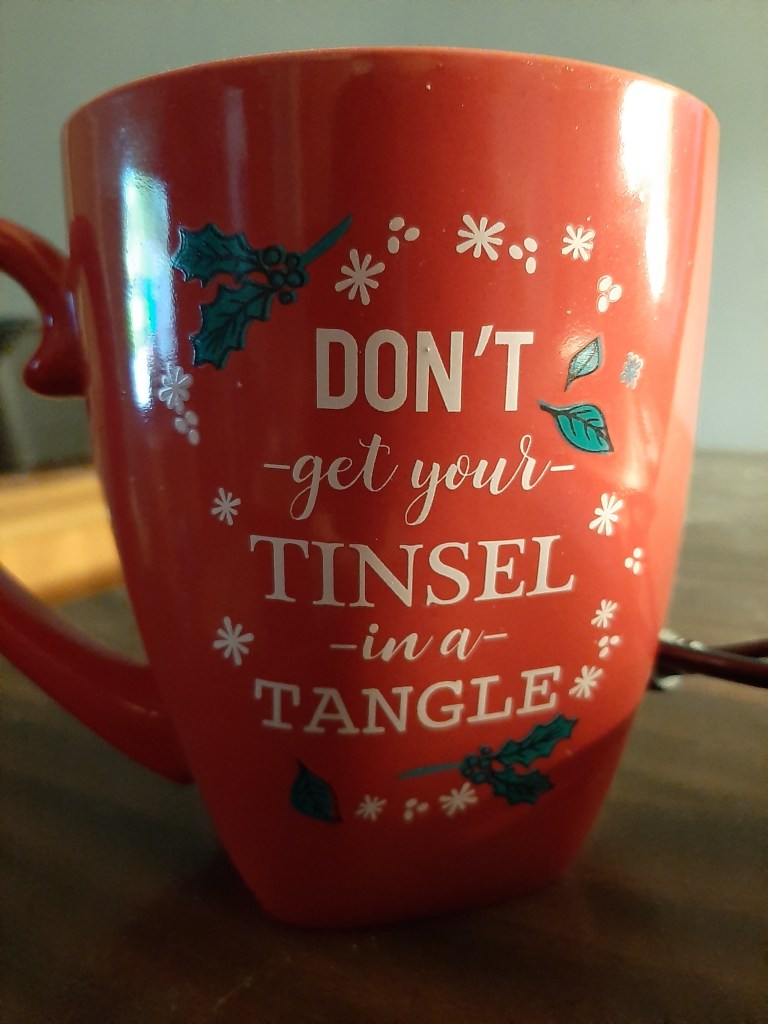
There’s a giant mug on my kitchen shelf that reads, “Don’t get your tinsel in a tangle.” It’s good advice for this time of year when life is full of distractions. Just when I need to concentrate on feature articles for clients, the pleasures of the season call to me. Add to that the pressures of shopping for gifts, decorating my living space, visiting family and friends, and watching Christmas movies. Distractions are everywhere. With so many activities demanding my time and attention, who has time to write?

While those pesky holiday distractions won’t go away any time soon, you can still work around them to accomplish your writing goals. Even a little bit each day is better than not writing at all. You may be surprised at how much you can accomplish in shorter writing sessions.

Here are my suggestions to avoid distractions and keep writing during the holidays.
 
Set smaller goals. You might be used to writing for an hour a day, or writing until you finish 1,000 words. Time may work against you during the holidays, so you might consider setting smaller goals. Instead of writing 1,000 words, aim for writing one page a day (or approximately 250 words). Or instead of writing for an hour, consider a 15-minute session.
Use index cards. One 3×5 or 4×6 card can hold several sentences, maybe one to two paragraphs. If you’re really pressed for time, grab one index card and jot down notes about plots or characters. By the end of the month, you will have collected enough ideas to start writing your next story in earnest.

Set office hours – and stick to them. If all you have in your schedule is 30 minutes when you first get up in the morning, set that time aside. More important, ask your family to respect our personal time.  

Set a timer. Use the timer on your phone or computer. Set it for 10 minutes or 20 minutes, or however much time you have. When the timer starts, write to your heart’s content, whatever comes to your mind. You never know where your freewriting will take you. When the timer rings, stop. Don’t worry about perfection. Focus on getting your ideas down on paper first; you can always edit later.

Write first thing in the morning. When you first arise, grab your cup of coffee or tea and begin writing. You’ll get it out of the way so you can enjoy the rest of the day. Or conversely, write before bedtime. Make a deal with yourself not to go to bed until you’ve written one page.

Of course, another option is to forget all about writing altogether and indulge in the holidays instead. Enjoy the celebrations, and use the holidays to gather inspiration. But as you do sip your egg nog and go caroling, take note of your surroundings. Spend time people watching, which could inspire characters for your next novel. Try activities you haven’t done before, like creating your own Christmas ornaments or cutting down a fresh tree. With every experience, note the sights and sounds around you. Remember to carry a notebook to jot down your impressions of the people, places and events you’ve seen. You never know if you might use them later.

There’s a preconceived idea that writing takes up huge chunks of time, which I think is why many of us avoid writing. And with the holidays comes too many distractions to ignore. By planning ahead and keeping a consistent practice with smaller goals and shorter writing sessions, you can accomplish your writing goals — and still enjoy the holidays.

Don’t let the holidays overwhelm you and derail your writing practice. Use it to your advantage to inspire fresh stories. When it comes time to start writing in earnest again, you’ll have plenty of ideas to keep you writing all through the New Year.

Do You Have a Holiday Writing Plan?

Photo by Amy Texter on Pexels.com

I’m in the midst of several deadlines and haven’t had time to write anything new. The following post is repeated from several years ago (with a few tweaks), but it’s as timely and pertinent today as it was then. Enjoy, and have a happy Thanksgiving!

The holiday season is fast approaching. There is much to do – shopping, baking, decorating, attending parties, socializing with friends – you name it. On top of that are your usual obligations – work, school, housekeeping, family time, volunteer work, and self-care. There isn’t much time left for your writing practice.

Or is there?

It all depends on how you allocate your time.

If your writing is important or if you’re currently working on a deadline, eaching your writing goals is critical. To reach those goals, you need to have a plan. If faced with this dilemma, you have several options:

1. Put your writing practice on hiatus.

Going on hiatus will obviously clear the way for you to enjoy your holiday more without worrying about what your next essay will be about. Then when you begin working again, you come with a fresh eye. On the other hand, a hiatus can take you out of your writing rhythm. You could lose momentum on the current work-in-progress. Come January when you sit back down and review your story, you might lose sight of where your story is going. Then you may have to start all over again.

2. Decrease the time you spend on your writing practice.

This approach might make the most sense for most writers. You can still make progress on your current work while still making time for your holiday activities. Here’s how it works. If you currently write for one hour a day, you might decide to write for only half an hour. Or instead of writing six days a week, perhaps you only write three days a week. The scheduling is up to you.

3. Maintain the status quo in your writing practice.

To maintain your current writing schedule will mean reassessing your holiday activities. Are there any that have lost their meaning for you? Do you really need to go to every party you’ve been invited to? Can you skip sending out holiday cards or the holiday bar crawl? The choices are yours.

If you’re struggling to figure out how to maintain your writing practice during the holidays, here are a few suggestions:

1. Set priorities. How important is your writing? Make a list of all the activities that are important to you. Where does writing fall on that list? If it’s high on your list of priorities, you’ll likely make more time for it.

2. Make an appointment with yourself. Treat your writing as you would a doctor visit or a trip to the hair salon. Make an appointment with yourself to write, and put it in your calendar. When you see that you have three one-hour writing sessions in your calendar, chances are you’ll be more likely to stick to that schedule.

3. Set realistic goals. Be clear about what you want to accomplish. Make sure that goal is reasonable and achievable. Writing a 1000-word essay or a 3000-word chapter of a novel is probably more achievable than writing 50,000 words.

If you want to learn more about making a writing plan for the holidays, check out this post from the Books & Such Literary Management blog.

When you maintain a consistent writing practice throughout the holidays with all its assorted pleasurable distractions, you may actually feel more joyous throughout the season. Why? Because you know you’ve made a workable writing plan and are sticking with it. There is no other greater joy than to do what you love during the holidays.

 Is Your Story Idea Worth Publishing?

Photo by Pixabay on Pexels.com

Ever have an idea for a story that you thought for sure would become the next Great American Novel only to flame out when you couldn’t write past the third chapter? The truth is, not every story idea that crosses your mind is worth writing about. So how do you know which ones are viable as a novel or short story while others are better left as a stand-alone scene, or worse, dumped in the trash?

In a recent Reedsy webinar, author S. J. Watson spoke about the idea generation process and how writers can determine which ideas are worth developing. .

Watson said the idea generation process can be divided into four segments:
* Finding story ideas and recognizing them when they show up organically
* How to retain those story ideas
* How to determine if an idea has the potential to become a novel
* How to keep the original idea from going off the rails, and what to do if it does.

An idea is “a sense that something is possible,” he said, and they can come from anywhere around you. But he cautions writers to keep them close to the vest.

“Ideas are like hose pipes,” Watson said. “If you overshare an idea too soon with your family and friends, it might poke holes in it.” Once the holes are poked through, the story tends to lose its novelty and impact.

To generate meaningful and relevant story ideas, there are several things writers can do to prime the pump.

  1. Show up at your desk every day, even when you don’t feel like it. Ideas don’t show up automatically. You still have to put in the time and effort before ideas begin to flow.
  2. Observe your surroundings. Look out the window or take a walk. Notice something on the street that you don’t normally see, such as a mobility scooter or a three-legged dog. Then brainstorm different scenarios about what you see. You may surprise yourself by coming up with a viable story idea.
     
  3. Write when you’re half-asleep. The brain isn’t quite awake then and it can amplify the connection between seemingly different ideas. In this half-sleep mode, you’re less likely to censor yourself.

To retain your ideas, keep a notebook. Either carry one in your pocket or purse or use the Notes app on your phone. Any time you notice something in your environment, overhear a conversation, or get sudden inspiration, jot them down. Watson admits he rarely looks at his notes, but the act of writing ideas down helps him to retain those ideas for easy reference later.

Connecting the Dots

Which ideas are worth turning into a full-fledged novel? Watson said ideas begin with the sense that something big could happen, such as winning the lottery or getting into a car accident. They open doors to broader concepts, and they invite random scenes and characters to show up. You may have two seemingly unrelated scene concepts, yet there may be a thread that connects them within a single story.

Also ask yourself several questions about the story’s viability:

  1. Does the story idea stay with you, and do you feel a desperation to work on it? Some ideas come and grab you by the throat, demanding your attention.
  2. Can you visualize the protagonist or antagonist?
  3. Do you see the conflict? Do you know the characters’ goals?
  4. Most important, can the problem in the story be made to feel relatable, such as learning that a family member is terminally ill?

Another possible approach is to take other people’s ideas and remix the elements to make them your own, Watson says. Whatever approach you take, make sure you don’t second guess yourself.

Drifting Story Lines
If the story drifts from the original concept that you envisioned, you may need to make adjustments. If, at the 20,000 word mark, the story seems to be heading in a different direction than what you intended, take a step back and review the work you’ve done so far. If the changes in the story scare you or excite you, then keep going. You may be on the right track even if you don’t have a clear idea where the story is headed.

However, if the new direction of the story isn’t exciting, it may be a sign that the story is too safe. Watson suggests backtracking to the original spine of the story and starting over from there to regain the excitement. “Occasional drifting is okay, especially if it takes you to scary or exciting places,” Watson says. “If you drift too far away from the original intent of the story, it may need to be scrapped. Occasionally returning to the story spine can help you make sure you’re in the right place.”

Story ideas come in all shapes and sizes. Knowing which ones are viable as potential novels, and which ones aren’t can save you a lot of time and needless effort.

You can view the Reedsy webinar here.

Tips for Developing Suspense in Your Novel

Photo by Anete Lusina on Pexels.com

When you read a book, what is the one element that keeps you turning the page? Most likely, it is suspense.

Everyone has their own definition of suspense. Some dictionaries describe it as a state of excitement, anxiety or mental uncertainty. For works of fiction, book coach Samantha Skal defines suspense as “the question asked.”

It’s an odd definition, to be sure. But think about the myriad of questions you ask yourself, however subtly or subconsciously, as you read a story.

* Will the hero stop the bomb in time or will it explode?
* Will the couple get together at the end, or won’t they?
* Will she keep her baby or give it up for adoption?
* What will they do next?

“Suspense is the engine that keeps the story going,” says Skal who spoke at a recent Pro Writing Aid Romance Week event. “It increases reader engagement, reader satisfaction and improves pacing of the story.”

There are different types of suspense. There’s the big, scary kind where the serial killer terrorizes the town. Romantic suspense teases readers with the promise of two people getting together. There’s emotional tension, too, when the main character is battling internal demons, such as guilt or resentment. Finally there’s goal tension when readers wonder whether the character will finally earn that promotion or new job.

The simplest way to achieve suspense is to put obstacles in the way of the characters. Whether you’re writing a thriller, science fiction or a romance, several techniques can be used to add suspense to your story.

  1. Reveal inner thoughts and reactions of the main character. This is especially true if you’re writing in first person or third person close. By revealing the main character’s thoughts and perspective. In this way, readers are able to see the action in the same way and at the same time as the main character. So when the character feels tension makes an assumption about another character or misinterprets what they see or hear, readers witness that experience too. That moment when the character experiences a crisis creates tension that the readers feel.   

  2. Use hanging questions. Ending chapters with a hanging question often leaves audiences wondering what will happen next. For example, the character may ask themselves how they got themselves into such a mess, which may make readers wonder how they will get out of it. Hanging question keeps the action going, and keeps readers turning the page to find out what really does happen next. Make sure you answer the hanging questions right away, preferably in the next chapter. A word of caution though. If you have too many hanging questions in consecutive chapters, it can appear redundant. In other words, boring.

  3. Ramp up tension gradually. Skal suggests establishing tension as close to the action as possible. Then gradually ramp up the intensity with each chapter. At the halfway point of the story, something in the story changes, moving it in a new direction. At the resolution, wrap up all loose ends. But just to be sure you haven’t lost readers’ interest, add another twist or surprise revelation at the 95% mark.

  4. Emotionally manipulate your readers. Skal says it’s okay to do that since most readers expect certain things to happen at certain times in the story. In mysteries, for example, readers look for the mystery to be solved. In thrillers and suspense stories, they want to feel a low-grade fear the whole time, and they want to feel their heart racing.

  5. Be intentional about what you reveal – and when. Details about a character’s backstory, family history, and personality should be sprinkled throughout the story, when it makes sense to a particular scene. If you reveal everything at one time, it can be overwhelming for the readers. Also remember that if you mention a detail early in the story, it should have a purpose later on. For example, if your character notices a clock that has stopped early in the story, that detail should come into play later on.

Without suspense, your story won’t keep readers interested until the very end. By paying attention to these techniques, you can create stories that will keep readers turning the page.

12 Tips to Survive – and Thrive – National Novel Writing Month (NaNoWriMo)

Logo courtesy of NaNoWriMo

Hello readers: This is a repost from two years ago. In advance of NaNoWriMo, I wanted to share tips for getting through this challenge. The tips are just as helpful today as they were then. Enjoy, and good luck.

Have you always wanted to write a novel but weren’t sure how to get started? Maybe you’ve had a story idea swirling inside your brain for the past decade and just never made the time to write it. With November right around the corner, here’s your chance.

National Novel Writing Month is an annual creative writing challenge that takes place every November in which participants aim to write 50,000 words in 30 days toward a completed novel. The event is hosted NaNoWriMo, a nonprofit organization that encourages writing fluency and education for all ages. According to its website, the NaNoWriMo group believes in “the transformational power of creativity.”

Participation in this annual event has escalated from a mere 21 people in 1999 to 306,230 in 2017, according to the Novel Factory. You don’t have to sign up on their website to participate. You can do this in the comfort of your home, which is what I plan to do. While the goal is 50,000 words for the entire month, that is only the goal. If you can only achieve 30,000 words – or 1,000 words a day – that’s fine too. This is a personal challenge to motivate writers to write every day and work toward a larger goal.

Whether this is the first time you take part in the event or the tenth, here are some helpful tips for surviving this 30-day writing challenge. You can find other helpful tips here too.

Photo by Negative Space on Pexels.com

Outline and research your story ahead of time. Since you’ll be spending your November days writing, you’ll need to know what you’ll be writing about. Plan ahead. Plot your outline in advance. The Novel Factory has some awesome free downloadable tools to help you plan your story.

The same goes for research. If you’re writing historical fiction, do your research ahead of time. If you get to a place in your story where you need to do more research, make a note of what you need to do and come back to that place during the revision phase. Don’t get distracted by the desire to look up something or you will never get back to your writing.

Plan your schedule. With a hefty 50,000 word goal, you’ll need to plan how you will achieve it. That’s roughly 1,667 words a day with no days off, or 2,000 words a day with one day off each week. Those daily word goals can be daunting. So it’s important to plan how much you’ll be able to write. It might mean getting up an hour early each day to write, or doing mini sessions throughout the day. Remember, you don’t have to write in one huge chunk of time.

Try something new. Many writers use NaNoWriMo to experiment with their writing. It might be re-writing a current work-in-progress from an alternate point of view, or trying their hand at writing a different genre – science fiction when they normally write psychological suspense. This approach can be applied to your writing schedule too. For example, try getting up an hour earlier in the morning to start writing rather than waiting until the evening when you may be too tired.

Participate in live write-ins. If you’re looking to stay motivated throughout the month, check out a live write-in in your area. If you sign up at the NaNoWriMo website, you’ll be given locations of write-ins near you. With the pandemic, I imagine there might be virtual write-ins too. 

Work with a writing buddy. When you participate with a friend, you can motivate each other and help you through the rough spots. If you’re both competitive, set up your own contest to see who can write more words each day. Try putting a giant thermometer on your wall. As you complete your daily word count, fill in the thermometer with red to see your progress. Then compare your progress with that of your friend’s.

Be prepared to put some activities on the backburner. That may mean less time hanging out on social media, less time watching Netflix or Hulu or shutting off the TV. It could also mean spending less time socializing with your friends and fewer Zoom meetings. You’ll have to decide what you can live without for the short term while you work on your masterpiece.

Silence your inner critic/editor. As you write, turn off the internal critic who tells you that your work isn’t good. It’s easy to get sidetracked by negative thoughts. First drafts usually aren’t very good, so relax and just tell your story without judgment and self-criticism. The whole point of NaNoWriMo is to challenge yourself to write your story. There will always be time for editing later.

Avoid going back to the beginning. If you are ever tempted to read what you’ve already written or rewrite it, don’t. You may decide that your work is terrible and give up. Or you may want to start editing it, which only wastes time. If necessary, read the last page or two that you wrote to remember where you left off, but otherwise, keep a forward focus.

Find your writing rhythm. You may find one week into NaNoWriMo that you’ve hit your stride. That’s great news. If you get to the end of your 2,000 word goal and you still feel motivated to keep going, then by all means, keep writing. That’s one way to build up your word count early on in the challenge so if you feel a bit sluggish by the end of the month, you can slow down without harming your end goal.

Reward yourself when you reach milestones. When you get to the 5,000 word mark, for example, treat yourself to your favorite snack or watch a favorite movie. Set another reward at 10,000 words, 20,000 words and so on. Occasional rewards serve as great motivational tools to keep you writing.

Don’t beat yourself up if you don’t meet your writing goals. So you only wrote 30,000 words. Congratulate yourself for your accomplishment. That’s better than not writing at all. Remember the purpose of this event is to challenge yourself to make quick, steady progress.

Make time for exercise and fresh air. All work and no play can stifle your creativity. Make sure you get outside if the weather is nice, and go for a walk or a bike ride. It’ll help clear the cobwebs from your brain and you can return to your desk with a fresh perspective.

Most important, have fun with NaNoWriMo. Yes, there will be plenty of hard work involved, but stay positive. Look at how much you will learn and grow as a writer. No matter how many words you eventually put down on the page, you can be proud of your accomplishment as you see your story develop.

Magic Realism Brings Charm to Reading Fiction

Photo by willsantt on Pexels.com

Who doesn’t love a little magic with their reading? I certainly do. Lately, I’ve been fascinated by magic realism, a genre that’s been around for decades but is getting more exposure of late.

Popularized in Latin-American fiction, magic realism combines surreal and fantastical elements in realistic settings. Fantasy slips into everyday life seemingly as if they belong there. But they don’t exist simply for the sake of entertainment. The magical elements are intended to question or emphasize real-world situations, whether they be societal, familial or emotional, among other things.

The works of Gabriel Garcia Marquez, Salman Rushdie and Isabel Allende are frequently cited as key players in this genre. Marquez’s book One Hundred Years of Solitude is considered a classic and a must-read for anyone who wants to explore this type of writing either as a reader or a writer.

What makes a story magic realism? Three key characteristics set it apart from other types of fiction:

  • The story is set in the real world, not in a make-believe setting.
  • The story contains magical and fantastical elements that have real-world implications, whether to question the political environment, society or familial environments.
  • The story is written as literary fiction but without traditional plot structure. The story may weave back and forth between the past, the present and the future.

Reading these types of stories requires an open mind. You have to be open to the nature of the fantastical and the surreal. Most important you need to suspend judgment about what is happening on the page.

I’ve read several of these stories over the past few years, from the light-hearted (Garden Spells) to the deeper exploration of a man’s identity (Song of Solomon). Some I liked very much; others not so much. But each one left me looking at the world a little differently. Isn’t that what writing is all about?

Are there any magic realism books you’ve read that you’d recommend? Share them in the comments.

Six magic realism titles I’ve read:

1.  Garden Spells by Sarah Addison Allen. One of the first magic realism books I’ve read. This one reminds me a lot of Practical Magic with its two magical sisters. I love the garden setting, especially the apple tree that throws apples at people.

2.  The Night Circus by Erin Morgenstern. I loved this book by Morgenstern that pits two magicians against one another in a battle to the death – until they fall in love with one another. The magical creations at the circus are incredible.

3.  Practical Magic by Alice Hoffman. I have always loved Alice Hoffman’s writing, especially with the way she plays with plot lines and story structures. Historically, she has played with mystical characters and situations. PM is on the lighter side of her collection of works. It’s the first of a series about the Owens family who have been cursed in love for several hundred years.

4.  Like Water for Chocolate by Laura Esquival. Charming story about the youngest daughter in a Mexican family who longs to be with her beloved Pedro, but can never have a relationship with him because of a family tradition in which the youngest must take care of her mother until she dies. Tita is only able to express herself when she cooks.

5.  Song of Solomon by Toni Morrison. The story follows the birth and life of Milkman Dead, who was born after a man jumps of a roof while trying to fly. It’s a strange journey for Milkman, who grows up stifled and alienated. His aunt Pilate, a bootlegger and a conjure woman, becomes a central figure in his life who helps him understand his family’s past.

6.  The Particular Sadness of Lemon Cake by Aimee Bender. When young Rose bites into her mother’s lemon cake, she begins to taste her mother’s emotions – that of sadness and longing. She learns to navigate life with her strange ability.  
Six magic realism novels on my reading list:

1.  One Hundred Years of Solitude by Gabriel Garcia Marquez. When you talk about magic realism, Marquez’s book is considered a classic. It has set the standard that all other magic realism stories must live up to.

2.  House of the Spirits by Isabel Allende. Allende is on my list of must-read authors, and this title is considered a classic in the magic realism spectrum.

3.  The Snow Child by Eowyn Ivey. This debut novel set in Alaska in the 1920s tells the story of a couple so desperate to have a child of their own that they create a child out of snow. The next morning the snow child is gone, but in its place is a real little girl, wild and secretive.

4.  The Midnight Library by Matt Haig. Imagine going to a library where one book tells the story of your current life, and all the other books describe your life as it could be if you had made different choices.

5. Land of Love and Drowning by Tiphanie Yanique. An epic family saga set against the magic and atmosphere of the Virgin Islands in the early 1900s. Orphaned after a shipwreck, two sisters and their half-brother are faced with an uncertain future, but each possesses a particular magic that will either hurt them or save them.

6. The Ocean at the End of the Lane by Neil Gaiman. I’ve heard a lot of good things about Gaiman, so this title lands on my list. From Gaiman’s website, “This harrowing and bewitching tale of mystery and survival, and memory and magic, makes the impossible all too real.”


15 Ways to Honor National Book Month

October is National Book Month! (Although if it were up to me, every month would be National Book Month.)

This is in important occasion for readers, authors, publishers, book sellers, and book lovers of all ages. It’s a month dedicated to literary pursuits, for snuggling up on the sofa with a hot beverage and bury yourself in a romance, fantasy or mystery.

This is not to be confused with National Reading Month which takes place every March. National Book Month is designed to encourage reading books of all genres, to support others’ rights to acquire and read books, and support authors and independent bookstores. If you love books and if you love to read, this themed month is one to savor.

So how can you honor National Book Month? Here are a few suggestions that are sure to keep you busy all month – and beyond. What is your favorite way to celebrate National Book Month?

1.  Enjoy a reading retreat. Set aside an entire weekend just for indulging yourself with a good book. Turn off the TV and streaming services. Instead, immerse yourself in the written word rather than watching it on the screen.

2. Read a new author. Scan the bookshelves at the library or local bookstore and find an author you’ve never read before. Perhaps it’s someone you’ve heard good things about. Or maybe you’ve never heard of them, but the book title and premise intrigues you. When you try new authors, you open yourself up to new ways of storytelling.

3. Re-read a favorite author. Re-reading a novel from a favorite author is much like wearing an old favorite sweater; it’s warm and comfy. If a lot of time has passed between readings, you may see something new in the story that you did not notice during the initial reading.

4. Visit an independent bookstore. Once upon a time, the existence of independent bookstores were threatened by big online retailers. But many years later, thanks to the dedication of avid readers everywhere, independent bookstores are alive and well. Show your support for booksellers by visiting a bookstore.

5. Visit your local library. For those who can’t afford to buy books, libraries are their go-to place for reading. These days, libraries are more than just a place to borrow books. You can also borrow DVD movies, audio books and music. Libraries are the ultimate literary community center of the neighborhood.

6. Join a book discussion group. There are numerous book discussion groups around and many of them specialize in a particular genre, such as mystery, current events or memoir. Check your local church, library or bookstore for one near you. If you can’t find a group that fits your interests, start one of your own.

7. Swap books with other readers. When you’re done reading a book, what usually happens with it? Most likely it collects dust on your bookshelf. Consider swapping books with a friend or neighbor so you both can enjoy them. Or set up a library in your apartment building so all residents can contribute their used books.

8. Set up a Little Free Library. These little free libraries seem to be popping up all over the place in recent years. With public libraries overflowing with books, the Little Free Library is the next best place to go to find books or donate ones you no longer want.   

9. Support local authors. Follow them on social media, comment on their postings, or attend an author book signing in person. Show them you appreciate their work. Authors often spend hours alone honing their craft before they can become published. Seeing fans in person gives them a feeling of satisfaction.  

10. Donate books. There are many non-profit organizations that collect books to pass on to people who don’t have access to them. One such organization is Chicago Books to Women in Prison, which responds to letters from women in prison and sends them books upon request from their library. Consider donating books you’ve already read so others may enjoy them too.

11. Carry a book with you wherever you go. Tuck a book in your briefcase, backpack or purse. If you’re out and about and you suddenly find yourself stuck in traffic, waiting at the dentist’s office or riding the bus, you can use the spare time to read.

12. Read a banned book. A surprising number of books are falling on the banned hit list in many areas of the country. Many of these books are banned because they are either considered sexually explicit, depict child abuse or contain LBGTQIA+ content, among other things. You can find lists of banned books on the ALA’s website as well as ways you can get involved in fighting book banning.

13. Listen to an audio book. If you can’t sit down to read, try listening to a book instead. Audio books make it possible to multi-task, so you can enjoy the latest best-seller while driving your car or cooking dinner.

14. Write a book review. Is there a book you absolutely LOVED? Or conversely, is there one that disappointed you? Write a brief review about it. Post it to your own blog (if you have one) or post on a review site like Good Reads.

15. Start writing your own book. So you won’t get published any time soon. That doesn’t matter. What matters is that you are inspired by the books you’ve read to start writing one of your own. National Book Month honors authors of all kinds, whether they’re published or not.

Fiction writing–one episode at a time


I had never heard of episodic novels until I read a post by Donald Maass on Writer Unboxed recently. Funny thing is, after reading Maass’s article, I realized I had read a few episodic novels. I just didn’t realize they fell under that category. But I did notice how different they were in the way the stories were told.

While traditional novels take a linear approach to storytelling with each scene leading into the next, episodic novels are told as a series of self-contained stories around a central theme, place or character. Think of a TV series in which there is the same cast of characters each week, but each episode centers around a different problem, like Friends, Cheers or Mash. Episodic novels are told in much the same way. Each episode can stand on its own as its own story, but it still propels the overarching plot forward.

Here are a few examples:

* The Hobbit was written by J.R.R. Tolkien to entertain his children. Each chapter (or episode) could be read to them before bedtime.

* The story of Olive Kittredge is a character study. Each episode of Olive’s life is told from different perspectives, sometimes from a different character who interacts with her. Each story reveals a different side to Kittredge’s character.

* In The Red Garden by Alice Hoffman, the focus is not on a character, but on a thing – a garden that appears to grow from reddish earth beneath it. The story spans several generations featuring the various owners of the garden and their relationship to it.

* Toni Morrison’s The Bluest Eye is another character study of one girl’s unfortunate childhood. The story is never told from her perspective but as accounts from people in her life who interact with her.

Episodic novels can be children’s stories like The Hobbit or Huckleberry Finn. They can be coming-of-age like A Tree Grows in Brooklyn or To Kill a Mockingbird. They can be adventure stories, stories of journeys to distant lands, like the Arabian Nights. Or they can be character studies like Olive Kittredge, or an exploration of a time or place, like The Red Garden. Here’s one list of episodic novels but I’m sure you can find other examples.

Note that episodic novels are not the same as a series novel. A series novel consists of several complete books that follow in sequence, such as Harry Potter. Episodes are self-contained scenes within one book,  but they are still integral to the plot. Each episode connects to the episode before and after it.

TCK Publishing describes four key elements of episodic plot:

  • Episodes are distinct but are logically connected.
  • Each episode contains elements of plot (conflict, rising action, climax, resolution, etc.)
  • Episodes contribute to the overall plot of the story without impacting any other episodes
  • The common theme binds the episodes together.

Another common characteristic is that episodic novels tend to be presented in chronological order. So though the episodes might be told by different characters describing the same incident, the story is never out of sequence.

I admit this might seem a bit confusing. After all, episodic novels seem to break all the basic rules of storytelling, and it does not follow a linear structure. Try reading a few of these stories to see how they are different from traditional novels. Think of it as one more way to tell your story.

Then if you feel brave enough, pick up your pen and try writing one. Remember to focus on one specific character, place, or moment in time. Then like a TV screen writer, create individual episodes that can stand on their own while moving the overall story forward to a satisfying conclusion. Writing an episodic novel (or making a valid attempt to do so) may be the most challenging thing you ever do.

Novel Reading for All Seasons

Like most writers, I enjoy reading and I try to read as many different genres as I can. I find it exposes me to different writing styles and different ways of storytelling.

Along the way, I’ve discovered that some books are better read during certain seasons than others. For example, I believe summer is the best time for light-hearted romances while winter is better for thrillers and cozy mysteries. Other times it’s just the feeling you get while you read a certain book that reminds you of certain seasons. Harry Potter, for example, seems at home during the winter. Those lengthy tomes are best read by a blazing fire while sipping a cup of tea.

Below I’ve compiled my list of recommended reading for each season of the year. This is based on my own reading preferences, of course, and the feelings I get while I read these books. You might have your own preferences. (Many thanks to Genie in a Novel for sharing her seasonal favorites on Facebook.)

Summer

Summer of ’69 by Elin Hildebrand. The queen of summer beach reading takes a nostalgic look at the lives of four siblings during one tumultuous summer.

Queen Bee by Dorothea Benton Frank. This last book by Frank takes place off the Carolina coast and boasts some of the most interesting collection of characters and a most satisfying ending that put a smile on my face.

The Little Paris Bookshop by Nina George. Imagine taking a trip on a traveling book shop down the Seine in Paris.

The Language of Sycamores by Lisa Wingate. Summer is a transitional time between spring and fall. It only makes sense to follow the narrator’s transition to a new life in a small town.

The Secret Life of Bees by Sue Monk Kidd. Hmmm…another book with a beekeeping theme.

Autumn

Practical Magic by Alice Hoffman (or any of its sequels). Hoffman’s magic realism seems a perfect fit for the fall.

Dead of Night by Charlaine Harris (or any of its sequels). Fall is the perfect time of year to enjoy a paranormal romance, don’t you think?

Ghost Stories by Edith Wharton. Who knew that Edith Wharton also wrote ghost stories? Her collection isn’t particularly frightening or gory, but it does lend an air of eerie magic.

Little Pretty Things or The Black Hour by Lori Rader-Day. I always think of fall when I read Lori Rader-Day. Maybe because both of these novels have an academic setting that reminds me of this time of year.

The Family Plot by Megan Collins. One of the best mysteries I’ve read in a while with a most unusual family and backstory.

Winter

Harry Potter (any book in the series). Genie in a Novel listed this in her winter selection, and I have to agree. These lengthy titles are easy to get immersed in on a cold, winter morning.

A Stranger is Watching by Mary Higgins Clark (or any of her mysteries). Winter is perfect for burying yourself in a good romantic suspense novel, and Clark is one of the best.

Winter Garden by Kristin Hannah. Historical women’s fiction is another genre that is perfect for winter reading.

Rebecca by Daphne Du Maurier. You can’t go wrong with a classic.

One by One by Ruth Ware. I read this book by Ware last winter. It only makes sense since the story takes place during the winter in the Alps.

Spring

Shoeless Joe by W.P. Kinsella. The book that became the movie “Field of Dreams.”

Garden Spells by Sarah Addison Allen. When I think of spring, I think of gardening, and this particular garden comes to life – literally.

Uprooted by Naomi Novik. Carrying on the nature theme, Novik shows us what happens when we don’t treat nature honestly and fairly.

The Hundred-Foot Journey by Richard C. Morais. One of the best descriptive food journeys you will ever take.

What Alice Forgot by Liane Moriarity (or any of her other books). Moriarity always comes up with a unique premise and an unpredictable story line.

Do you agree or disagree with my lists? What books would you put on your seasonal lists?

How Writers Can Develop Stronger Skills and Knowledge

If there’s anything I’ve learned as a writer is that writers are lifelong learners. They are naturally curious about the world around them and they tend to ask a lot of questions. They’re intrigued by new ideas, or even a fresh take on an old one, and are usually willing to experiment with a new ways of doing things.

Fortunately, there are plenty of situations in which writers can continue their learning. Our profession requires it. Stop and think about how you learned to do what you do, and you’ll realize that there are more sources of learning than you thought were possible.

It’s important to keep up with the latest skills, technology and tools available to help us do our jobs better, or at least help us become better writers. Where to find that information will depend on what type of knowledge you seek. You won’t find it all in one place. Yes, at the same time, you find opportunities to learn all around us.

Think about all the different types of learning you’ve gained on your writing journey. Notice what areas you need to improve.

  • The craft of story telling. It’s one thing to be a good writer, it’s quite another to know how to tell a good story. I’ve always been a good writer and had strong technical skills. But I knew nothing about creating a work of fiction until I took several classes at a local writing studio. Not until then did I begin to understand plot structure, character development and how to create tension and suspense. I’m still learning. Different rules apply for writers of poetry and memoir. If you want to specialize in a particular style of writing, you have to learn the craft.
  • Research. As a freelancer, I’ve been assigned to write articles about some of the most obscure topics, such as high-performance homes, blockchain technology in real estate, and refrigeration phase-down policies affecting facilities managers. But with each assignment, I’ve become a mini-expert. I had to so I could prepare for the interviews.  Whether you’re working on an essay, a magazine feature or a full-length novel, it’s necessary to do research so you understand your topic inside and out.
  • Communications skills. Writers may be called upon to make a speech, negotiate their fees or interview sources for feature articles. That requires solid communications skills, but not all writers have mastered these skills. That requires confidence and a lot of practice. If you’re lacking in any one of these communications skills, you might consider taking a class to build that confidence.
  • Copy-editing and proofreading. Writers need to master copy-editing, proofreading and grammar skills. Many editors expect writers to proof and edit their own work before submitting the final draft to them. While it helps to have another pair of eyes review your work, it’s also important to be able to proof your own if no one else is available. If you lack these skills but are a good writer, you can easily develop them with practice.
  • Organizational and time management skills. Writers may get so caught up in the act of creation that they might lose track of time — and deadlines. Writers need to balance their work load, especially when working with multiple editors and projects. Whether you develop your own system for tracking projects and deadlines, or you use a platform that does most of the work for you, you’ll learn to stay organized no matter what clients or employers throw at you.
  • Math aptitude. Writers may work with words, but there are times when a basic aptitude for math will be necessary. Sure you might have an accountant who does your books, but when it comes to writing, there are times when you need to solve a complex math equation or calculate percentages?  Math is necessary to balance the books, and your checkbook.
  • Marketing and social media. Many writers I know aren’t very comfortable about marketing themselves, including yours truly. The thought of promoting themselves makes their stomachs churn. Yet successful writers know that marketing is a part of their arsenal of skills. Marketing is necessary to showcase your writing and attract new clients. Just like the communications skills above, it might be helpful to take a course in digital marketing or social media to know how to navigate the landscape and build confidence in your marketing abilities.
  • Technical know-how. If you had told me 20 years ago that I would need to know certain software programs and configure my own computer equipment, I would have rolled my eyes. I’m not known for my technical ability, but I know enough to get by. Anything more difficult and I have to call in an expert. I enjoy the challenge of learning new software. As technology continues to grow, writers need to keep pace to stay relevant in our industry.
  • Business side of writing. Writers might focus so much on the creative side of their careers that they overlook the business side. If your business acumen is lacking, it might be time to update your knowledge in that area. Consider a course in basic accounting, project management, or business planning. At first glance, these topics might seem dry and dull, but they can help prepare you for the day you hang your own shingle as a self-employed writer.
  • Advanced degrees. If you feel an advanced degree will help your writing career, there are plenty of MFA and MGA programs. (Personally, I don’t think you do need one these days.) However, some industries require it. For example, some health and wellness blogs require articles be written by nurses, doctors and psychologists. Another thing to keep in mind is that MBA and MFA programs are pricy and require a huge chunk of time. You need to weigh the cost of getting specialized advanced training against your future career goals.
  • Informal mentoring from other professionals. Whether meeting with a former boss over coffee or networking with other professionals at a workshop, you have a chance to learn from others. You can bet that whatever work problem you may be grappling with is something that someone else has already dealt with. The beautiful thing about networks is the opportunity to learn from others.
  • Volunteer work. Many years ago, when I wanted to expand my portfolio, I sought volunteer opportunities to write newsletter articles for a local membership organization. By contributing articles and planning some of their education programs, I was able to gain valuable experience that I could share with potential employers. Don’t overlook volunteer work as a means of gaining hands-on experience.
  • Practice, practice, practice. The key to becoming a better writer is to practice—and practice often. Even if you spend only ten minutes each day writing, you continue to improve your skills. It’s much like learning to play the piano. You get better with practice.
  • Life experience. Don’t overlook your life experience, which can fuel your most creative stories.  That experience can be anything from moving to a new neighborhood to fighting with your best friend or finding out you have cancer. Tap into those deep emotions from your life experience to fuel your writing.  

When you consider the many ways we acquire knowledge, writers are well equipped to handle any kind of writing project that comes their way.