Strategies for Coping with Writing Anxiety

Photo by Steve Johnson on Pexels.com

Writing doesn’t come easy for a lot of people. The prospect of writing even one word paralyzes them. They’re so anxious about writing something that others will eventually read that that freeze, unable to write a single word. Even the most prolific published authors claim to feel anxious about the writing process some of the time.

Writing anxiety is a very real thing, affecting hundreds of thousands of people each day. It’s far more common that you think.

I’m not talking about writer’s block, which is the inability to come up with the topic or story you want to write. You draw a blank when you stare at the page. You are literally blocked from writing anything.

Writing anxiety is different. It’s defined as the tension, worry, nervousness or other negative feelings about a writing task. Think of it as stage fright for the written word. Just like a novice actor might freeze up under the spotlight, so do writers freeze up when they have to write about something.

It doesn’t matter if what you’re writing is a 300-page novel, a 1000-word essay, or a letter to someone you know and care about. Writing anxiety can strike at any time.

Whereas writer’s block occurs when you can’t think of anything to write about, writing anxiety is more about the feelings associated with your message and audience. You may know exactly what you want and need to say, but fear how it will be received.

Causes of writing anxiety

Experts say there are numerous causes of writing anxiety—from the pressure to perform to trying to please a specific audience. Fortunately, there are several strategies that can help you work through your writing anxiety.

Cause #1: Pressure to perform.

Writing anxiety may occur when you perceive the stakes to be high. For example, a grad student who is required to write a dissertation to complete their academic studies may feel anxious because the stakes are so high. The pressure to perform a writing task at a high level to receive the promised rewards can increase a person’s anxiety.

Cause #2: Lack of understanding of the writing task.

When a writing assignment for work or school seems complex or vague, that can cause some anxious moments too. No matter how many times you look over the assignment, nothing makes sense. It’s difficult to know where or how to start a writing project when you’re not sure what the finished product is supposed to look like. Lack of understanding of the writing task can result writers to feel anxious to the point that they produce a poor quality product.

Cause #3: Desire to please someone or a specific audience

Sometimes writing for a specific audience can cause some anxiety. For example, if you’re submitting an essay for a writing contest, you might feel anxious about being judged by a group of strangers. Or perhaps you’re trying to impress a new client after they’ve given you the first assignment. You want to do your best work, but with the stakes so high, you agonize over how they will view your work.  

Cause #4: You’re attempting to learn a new writing style

As writers, we’re often faced with learning a different style of writing. Perhaps as a novel writer, you’ve never written poetry before. Or as a longtime business writer, you’re trying your hand at writing grant proposals, which is not part of your portfolio. There can be some anxiety when you’re learning something new.

Cause #5: Desire to please someone close to you.

If you’ve ever had someone in your life who has had high or perfectionist expectations of you, you know how anxious you can feel to try to meet those expectations. Or conversely, they belittled your desire to be a writer. Even if that person is deceased now, their words of encouragement (or discouragement, as the case may be) can still ring in your ears many years later. This, too, can create feelings of anxiety whenever you sit down to write.

Any one (or two) of those causes can paralyze you into inaction, resulting in writer’s block.

Photo by Magda Ehlers on Pexels.com

Strategies to counter writing anxiety

Fortunately, there are ways you can deal with writing anxiety. The nervous feelings may never go away completely, but these strategies can help you work through the issues preventing you from writing.  

Strategy 1:  Do some soul searching.

Pinpoint why you’re feeling anxious about writing. Is it the process that scares you? Is the assignment too complex or vague? Or are you trying to please someone with your writing?

Journaling can help you sort through your feelings and thoughts. Or talk to a close friend or relative who can lend an empathetic ear and perhaps provide valuable insights.

Strategy 2: Be clear about the writing task.

If the reason for the anxiety is a writing assignment that is vague or complex, talk to the person who assigned the task to get their perspective. The last thing you want to do it tough your way through the assignment, then turn in something that doesn’t meet their requirements. Get clear about what is expected before you begin.

Strategy 3: Break down the writing project into smaller pieces.

By tackling smaller chunks of the assignment, you won’t feel so overwhelmed. If you’re writing a dissertation, for example, tackle a section at a time, even one page at a time. With a little bit of effort each day, you’ll soon see steady progress as the number of completed pages grows.

Strategy 4: Don’t worry about first drafts.

First drafts are never perfect. Get your ideas down on paper first. You can always refine them later. Alternately, you can use an idea board for working out the overall project. I like to use the bullet point method where I jot down each individual idea that I want to include in my manuscript as bullet points. This approach helps me organize my thoughts and makes sure I’m including every detail.

Strategy 5: Do all your research up front.

If your writing project involves research, doing much of your research before writing can help you understand your subject well. You become a mini-expert and gain confidence in your ability to speak and write about the topic. The writing process goes much more smoothly when you feel confident about the subject matter.

Strategy 6: Read your finished work out loud.

It’s never easy to hear criticism about your written work. It might help to read your piece aloud to someone and get their feedback. This will help you get used to the feedback/critiquing process. Reading it aloud can also help you pinpoint problem areas in your writing so you can correct it before you submit it.

Have you ever suffered writing anxiety? What strategies did you use to get past those feelings so you could write with greater confidence?

Tips for Navigating Book Sales


Photo courtesy of The Regal Writer

Like most book nerds, I can’t resist a book sale. So when the Newberry Library in Chicago held their annual book sale this past weekend, I couldn’t resist checking it out.

I’ve been to a few other books sales in the past – libraries weeding out inventory, used bookstores closing, etc. Each one has presented its own challenges and opportunities. While they can be fun, it’s easy to get caught up in the moment and lose sight of why you’re there.

I recall one book sale I attended a few years ago. A shop that was closing announced it was giving away its inventory. People were invited to bring bags and boxes to grab all the items they wanted for free. Customers were lined up outside the door and down the street! I walked out of there with about a dozen paperback mysteries, most of which I never read and wound up donating elsewhere.

With so many books to choose from, the book sale experience can be a bit overwhelming. That’s why I suggest having a plan so you don’t get distracted and overbuy, (or in the case above, grab more than you will ever read.). Yes, there is such a thing as buyer’s remorse in book shopping.

Here are a few other tips so you can escape from the book sale with your sanity—and budget—intact.

Tip 1: Be prepared. Make a list of book titles and/or authors you’d like to add to your existing collection. Stick to that list, if at all possible. Naturally, you’ll find gems you hadn’t expected to find, but that’s okay. Allow a little room in your plan for those unexpected. But don’t go overboard. If you stick to your plan, you’re less likely to get distracted, less likely to overbuy.

Tip 2: Set a specific goal. Part of your plan should be to set a goal for your book sale excursion. Do you want to add more classics to your collection? Do you want to find a new genre, such as science fiction if you’re not used to reading those types of books.

Tip 3: Set a budget. It’s easy to go overboard when you’re browsing hundreds of deeply discounted books. This is especially important if you’re on a limited budget. So setting your limit to 10 or 20 dollars will get you the books you want without breaking the bank. Alternately, set a cap on the number of books to buy. Even if that quantity is one. (But if you’re like me, you can never stop at one). By setting a budget or cap on purchases, you’re practicing the necessary discipline while still enjoying the thrill of the chase.

Tip 4: Walk around the shop or library first. It might help to get the lay of the land before actually shopping. That way you can see what types of books are available, how much they cost, how many they have in stock. Of course, if there’s only one of the item you desperately want, I’d grab it before someone else does.

Tip 5: Bring your own bag (or box). This is especially important if you plan to purchase a lot. Remember to keep the bag or box small because, as I’ve learned from experience, the bigger the bag, the more likely you’ll want to fill it!

Most important, be sure to thank the hosts. Books sales require a lot of work as well as the time and commitment of many staff and volunteers. Let them know how much you appreciate their effort. And if it’s a closing book shop, thank them for their years serving the community.

With a bit of planning and discipline, books sales can still be a fun way to add to your book collection.

Why I Don’t Read Book Reviews

Photo by freestocks.org on Pexels.com

I’ve never understood the appeal of book reviews, or any kind of review for that matter. Why does it matter if someone else believes a published book, movie or TV series isn’t worth reading or seeing?

Everybody has their own interests and tastes. So if one person says they don’t like a certain author or movie, it doesn’t mean that others may not like it. I prefer to make my own judgment rather than someone else tell me what I should or shouldn’t like.

Over the years, I’ve learned to rely more on my personal tastes and sensibilities to decide what books I will buy. I’ve taken enough writing classes to understand what makes a good story. I know what kinds of stories appeal to me, what makes my pulse race and what makes my imagination soar. I have enough literary interests to keep my book shelves well stocked—all the time.

If you already know what types of books you enjoy, reading book reviews seems like a waste of time. What background can they give you that you can’t already find on the inside flap or back cover?

Instead of relying on book reviews, there are other things you can do to determine what to read next.

  • Read the online description. Many book review sites provide a detailed summary of the story. Some also give readers a chance to “Look Inside” to read the first few pages. That might be enough to pique someone’s interest before they buy.

  • Read the book summary on the back cover or inside flap. If shopping in person, skim the summary on the back cover or inside flap. Much like the online review site, there’s enough detail in the book description to help me decide if I want to purchase the book.  

  • Read the first page (or two or three). If the summary piqued my interest, I’ll move on to reading the first couple of pages. This gives me a sense of what the writing is like. Does the story grab me from the start? Is the protagonist likeable or can I relate to them? Is the story written in first person or third person? (I like first person because it helps me get inside the protagonist’s head.)

  • Get referrals from other avid readers. The best book recommendations I’ve received over the years were from friends who gushed about a novel they had read. If someone likes a book enough to mention it to me, I take it as a sign that I need to add it to my TBR list. This approach extends to strangers you meet too. I once received a book recommendation from a fellow passenger on an airplane. She saw me reading a novel by Lisa Genova, tapped me on the shoulder and suggested I read another one of Genova’s novels. It turned out to be an excellent recommendation too!

  • Avoid reading professional critiques or reader reviews, if at all possible. I avoid reading user reviews and professional critiques because I don’t want to be influenced by outside opinions. Like I mentioned, I trust my own literary judgment, and I’m familiar enough with different authors and genres to know what I already like. Reading reader reviews or professional critiques won’t add anything to my foundation of knowledge.

    One word of warning: Beware of review bombs. While negative reviews happen, review bombs can be insidious, and sadly, they’re happening with greater frequency.

    Review bombing is an internet phenomenon in which large numbers of people flood a review site with negative reviews of a book (or movie, TV show or computer game) for the purpose of hurting sales or viewership. The reviews often have nothing to do with the book. Instead, reviewers express disapproval of the author or publisher based on some political or cultural issue. In some cases, the onslaught of negative reviews has resulted in the author delaying publication, which is sad considering how much time they’ve spent on creating their art.

    You can read more about review bombing at The Conversation and at Slate.

    That’s another reason why I avoid reading reviews. You never know who is writing those reviews, or why. Relying too much on book reviews can take the joy out of discovering new books and new authors for yourself.

Seven Reasons It’s Okay to DNF a Book

Photo by Leah Kelley on Pexels.com

Growing up, I was taught never to quit anything, whether it’s a meal, a work project, a game, or a movie I was watching. That same mindset has carried over into book reading. For years, I pushed through books that I wanted to give up on, except for that little voice inside my head that warned me not to. The voice that told me to “Finish what you start.”

 But lately, I’ve been rethinking that “rule,” especially with regard to reading books. There are simply too many intriguing book titles on the market these days, and so many genres and authors to explore. There aren’t enough hours in the day to read everything I can get my hands on, and my TBR shelf is bulging with volumes. Why would I want to stick with a book that wasn’t holding my interest when there are so many other possibilities?

Then there’s another reason for the rethink. I’m not a very patient person, and I don’t like wasting my time on a story that just isn’t working for me. Time is precious, and I want to make the most of the time I have reading those books that do interest me.

In case you haven’t figured it out by now, DNF means Did Not Finish. You know it may be time to quit a book when the story in your hands drags like a snail on hot pavement. Or you’re constantly eyeing your TBR shelf, wondering what to read next.

A book needs to grab my attention from the opening pages, and keep it going to the very end. Otherwise, I toss it aside, usually for another time. I like to give most books at least three attempts before giving up on it.

So why do I DNF a book? There are a number of reasons.

  • The plot moves too slowly. This is usually the most common reason I quit a book. The premise is fine, but the story doesn’t quite live up to it or, worse, the plot moves too slowly. This is when I start eyeing my TBR shelf for alternatives. Most of the time I can gut it out. Other times, I’ve set the book aside, read another book, then pick up the first one again to finish. If I still can’t get into the story, then it’s time to add it to the DNF pile.

  • The language is too complex or difficult to understand. It’s a rare occurrence that I come across a story with complex language. It could be a detailed explanation of a boat’s features or sailing technique, or it could be the regional dialect of the characters. That’s when I can get stuck on trying to understand the language and can’t enjoy the story. That’s when I get frustrated and have to set the book aside.  

  • Life gets too busy. We’ve all been there. Sometimes, you start reading a book believing you have time to finish it, but then life happens. Your car needs to be repaired or your in-laws have decided to visit. You have the best of intentions when you start reading, but there’s too much going on in your world to give the book the attention it probably deserves.

  • Scenes made me feel uncomfortable. As I get older, I find I have less tolerance for stories with violence, offensive language and graphic sex. They no longer hold any interest for me. Granted some scenes like this can’t be avoided, but all the same, that’s another reason I might DNF a book.

  • The timing wasn’t right. You might start a book, read a chapter and can’t quite get into it. The story may be fine, but maybe the timing isn’t quite right. For example, when the pandemic hit a few years ago and everyone was hunkering down at home, I had started reading Love in the Time of Cholera. After reading 20 pages, I set it aside because the story was too heavy and somber for the times, and seemed too much like what we were all living through at the time. I realized I needed to read something more lighthearted, so I set the book aside. It’s still on my shelf, however, waiting for the right time to jump into it.

  • The author made their point a long time ago. This is especially true when reading memoir or non-fiction. The author may share their premise in the introduction, then again in the first chapter. When it seems that the same point was repeated in following chapters, I’ve put the book away. The author didn’t seem to have anything new to say. If they’ve made their point in chapter one, why would I want to read the next 20 chapters?

  • Too much backstory and not enough action. Some books I’ve read have been so bogged down in details and lacked enough action to keep me reading. This is especially true for some science fiction stories that rely on world building. The author can get so caught up in describing the alternate world that the actual plot gets lost. That’s when I’m eager to quit the alternate universe and return to reality, back to the safety of my TBR shelf..

I generally give a book three tries, usually up to page 50. I figure 50 pages is enough to determine if the story is keeping my interest. Then if it still does not grab me, I give up on it. That’s when I make plans to find a new home for the book or donate it to the nearest Little Free Library..

With so many other literary choices available, there’s no need to feel guilty about DNFing a book. You can always come back to it later or pass it along to someone who might appreciate it more. Have you ever DNF a book? If so, why? What traits does it have to force you to give up on it?

Take a Literary Tour of Chicago

Photo by Amy Burry on Pexels.com

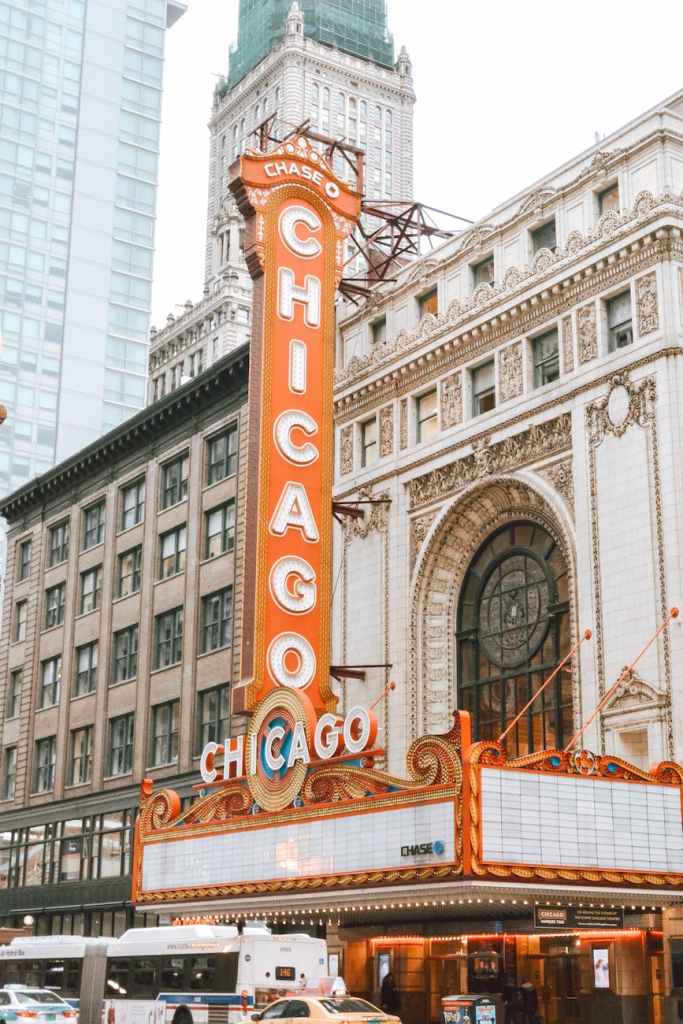
A few weeks ago, I wrote about ways to enjoy a book-themed vacation. Ideas ranged from a reading staycation with lots of beach reads to reading in a different location in your hometown. Another idea was literary tourism, either in your own town or in another location well-known for its literary history. Think London, Paris or San Francisco.

I’m fortunate to have grown up in Chicago, which has its own literary history. It’s the birthplace of numerous famous authors, such as Ray Bradbury (in suburban Waukegan), Sandra Cisneros, Gwendolyn Brooks, Richard Wright and mystery writer Sara Paretsky, among others. It’s also provided the backdrop for numerous books, films and TV shows.. With so much literary history, there’s much to see and do.

Here’s a quick rundown of what you can experience if you decide to make Chicago a literary vacation destination.

Museums, libraries and landmarks:

American Writers Museum – One of my favorite places to hang out, the American Writers Museum provides exhibits, workshops and author discussions, all dedicated to the art and craft of writing.

Newberry Library – Not only home to the world’s largest three-day book sale, but a great place to go to learn about genealogy. It’s also the backdrop for numerous scenes from Clark and Division, Naomi Hirahara’s historical fiction/mystery novel set in the late 1940s.  

Museum of Science and Industry. If you’re a fan of Erik Larsen’s Devil in the White City, check out the MSI, which is the only remaining structure left from the 1893 World’s Fair

Poetry Foundation – For those interested in poetry, this modern building is a beautiful setting that can inspire any poetic soul. With more than 30,000 volumes of poetry, the foundation’s library is the only one in the Midwest dedicated to poetry.

The Sulzer Library – Housed in a historic building on the northwest side of Chicago. Compare that to the modern setting of the main Harold Washington Library. Take a tour of local libraries, some housed in beautiful old buildings, like the one I frequented when I was a child.

Monandock building – Located in the South Loop among many other older office buildings, the Monandock building is where Sara Paretsky’s private investigator V.I. Warshawsky had her office. In fact, if you’re a fan of Paretsky’s work, you can visit all the locales mentioned in her books, courtesy of Chicago Bike Adventures.  

The Understudy Coffee and Books – When you’re ready to take a break from all the sightseeing, visit the Understudy, a theater-themed coffee shop and bookstore. Located in Andersonville on the north side of the city, you can browse books about set design, acting technique and plays.

Author homes in the city:

Interested in finding out where some Chicago authors were born and raised? Check out this map from the Chicago Literary Hall of Fame, which pinpoints key literary locations in and around the city. You can find out amazing details about some of the most prominent authors from our fine city, including:

L. Frank Baum, author of The Wizard of Oz, who grew up in a house at 1667 N. Humboldt Blvd. The home has received a Chicago Tribute Marker of Distinction. (Number 8 on the map)

Sandra Cisneros’ house, similar to the one that she described in The House on Mango Street. (No. 17)

Saul Bellow’s childhood home on Augusta Boulevard, which was given the honorary status of “Saul Bellow Way. (No. 11)

Nelson Algren fountain and his favorite saloon (No. 4 and 5)

Richard Wright’s home where he lived with his extended family from 1929 to 1932 (No. 33)

Outside Chicago:

Earnest Hemingway Birthplace and Museum – Hemingway may have made his home in the Florida Keys, but did you know he was born and spent his early life in Oak Park, outside of Chicago? Visit the old Queen Anne home where he was born, and check out the numerous artifacts from his childhood in the museum.
 
Ray Bradbury – Sadly the Ray Bradbury Experience Museum in his birthplace of Waukegan, closed in May 2023. However, you can still find memorabilia of his life and career at the Waukegan Public Library, such as his typewriter and a statue of him outside. His personal collection of books and artifacts will be on display at the Waukegan History Museum at the Carnegie, which is under construction as of this writing.

Carl Sandburg Historic Association Site in Galesburg – Born in Galesburg, Illinois is 1878, Sandburg was a Pulitzer Prize winning author of poetry and history. He also wrote biographies, fiction and newspaper articles, and was a lecturer and folk singer. With the help of the association’s driving tour brochure, you can visit all of the Sandburg historic sites in Galesburg. 

I’m sure there are plenty more literary themed sites to visit throughout the state that I have not mentioned. Wherever you go, keep it educational, literary and fun.

Seven Ways to Enjoy a Book-Themed Vacation

Photo by Toa Heftiba u015einca on Pexels.com

Some years ago, a friend told me he was taking a staycation with time devoted strictly to reading and seeing movies at the theater. I thought it was a brilliant idea, one that hasn’t gotten old in the years since.

More recently, I’ve come across a similar concept – the bookcation. A bookcation is a vacation in which all you do is read. You might choose two or three books of a similar genre or author, or two or three books of different genres or authors. That’s the beauty of the bookcation. You can make it whatever you want it to be. You can read how much you want and wherever you want—whether that’s at the beach, at a coffee shop or at home in the comfort of your bed.

Another variation is the literary vacation. This type of vacation is focused on the settings of famous books. The locales may be glamourous like London or Paris or India, or they can be closer to home. The state of Illinois tourism website Enjoy Illinois offers several ideas for literary tours in the state. You might find similar-themed tours on the tourism websites for your state or country.

There are numerous ways book lovers can enjoy a summer book-themed vacation. Here are a few other ideas:

For the staycation:

1. Read books centered around a certain theme. The most obvious choice is the summer beach read. These are usually light reading, usually a rom-com or women’s fiction. One author that comes to mind is  Elin Hildenbrand whose books are usually located at beachy resorts on the East Coast. Jennifer Weiner and Rebecca Serle are other good options. For summer beach read options, do a Google search. You’ll be amazed at the number of listings that show up.  

2. Read books around a certain genre. Perhaps you want to read only memoirs and immerse yourself in the lives of celebrities. Or read only cozy mysteries or catch up on the latest bestsellers.

3. Read books that take place in a certain location. If you’ve never been to Paris, for example, you can immerse yourself in all things French in the City of Light. Read French authors like Nina George (The Little Paris Bookshop) or Victor Hugo (Around the World in 80 Days). Or maybe you prefer to spend a summer checking out San Francisco without ever leaving your town. Check out this book list by Beyond the Bookends blog, which has tons of book lists based on locations.

 4. Read in a different setting every day. On day one, head to the library to read. On day two, head to park, pack a lunch and set out a blanket under a tree for your reading session. On day three, choose yet a different location. If you live in a larger city with multiple parks, try visiting a different park every day during your bookcation. Or visit a different library, beach, book shop or coffee shop. Even if you’re close to home, you can still feel like you’re getting away from it all by visiting a new place every day.

For literary travelers:

5. Become a literary tourist in your hometown. Are there destinations in your city or state that has a famous literary connection? Was a famous author born in the area? Or was there a theatre or university that was the setting for a movie or mystery novel? Compile a list of places that have those types of literary connections and visit them. Check local tourism sites to see if there are any similar tours. Or check out Author Adventures, which shares literary road trip ideas within the U.S. and by state.

6. Visit literary locations outside your own region or country. If you’re more ambitious and have the financial wherewithal, you can explore literary destinations abroad. Check out travel ideas on the Get Literary blog and TCK Publishing blog. Their suggestions include everything from visiting the site where the Outlander TV series is filmed in Edinburgh, Scotland, or visit the places frequented by Earnest Hemingway in Cuba.

7. Choose one literary city and visit book-themed locations there. For example, in London, visit libraries, universities, and bookshops. Or find a tour of famous author homes.

Whether you travel near or far, book-themed vacations are not only educational, they’re fun.

How Writers Can Support Other Creatives

Photo by Diva Plavalaguna on Pexels.com

Writers might spend a lot of time alone working on their craft, but they’re also part of the larger writing community. They’re also part of an even larger community of creatives that include graphic designers, photographers, videographers, even musicians.

So when members of the Writers Guild of America (WGA) went on strike against Hollywood production companies several weeks ago, it struck a chord in me. While these members typically work in the film and TV production industry in New York and Los Angeles, any writer or affiliate creative can empathize with the issues they’re facing.

Issues of greatest concern are better compensation packages and improved pay equity structure. This article in Parade explains the strike much better than I can. The strike could possibly carry on for months, so it can have a detrimental effect on their income and business opportunities in the near term.

While the WGA strike may seem too far removed from the kind of writing you and I do, we should stop to consider how this might impact our own ability to build a sustainable creative career.  Because if WGA members can’t make a decent living wage doing what they do–create stories for movies and television—then how can we expect to do the same as staff writers and freelancers?

Seeing their plight made me think of ways we can support these writers, and all writers no matter what industry they serve. After all, we are all part of one large creative community, and we need to support one another.  

Here are a few ways you can support other writers and creatives, no matter what type of work they do or the industries they serve.

  • Buy their books, artwork, etc. This is obvious, of course. The best way to show your support for other writers is to purchase their work. After all, this is why many of them decide to become writers. They love sharing their work, and hopefully, make a living at it.  

  • Join a community of writers. When you join groups like Media Bistro, American Society of Business Publication Editors, or Freelancers Union, you learn about the industry and share best practices and techniques for working as a creative.  By being part of these networks, you build a strong support group for your work while also supporting others in theirs.

  • Donate to help striking screenwriters. When WGA members went on strike, it wasn’t just the screenwriters who were affected, but other related professionals in the TV and film industry, such as cinematographers, hair and makeup stylists, etc. Funds like the Entertainment Community Fund provide financial support to the entertainment crew who may suffer hardship because of the strike.

  • Be a beta reader. Whether it’s someone’s first book or their tenth, most authors need another pair of eyes (or two or three pairs) to understand how their work-in-progress will be received. It helps them gain insights about what’s working in their story.

  • Write a book review. Whether you’re part of Goodreads, Amazon or some other book site, writing a review of someone’s book can boost its popularity and sell more copies. It’s one more way to show your support for your fellow writers.

  • Follow an author on social media. Comment on something they’ve posted, or share their post to your network. By interacting with them on social media, you learn more about who they are outside of their writing career. You may even pick up a few writing tips along the way. By sharing their posts with your contacts, you help them promote their work while gaining access to theirs.

  • Promote an author’s work on social media. People are always looking for a good book to read. Don’t be shy about posting a raving review on Instagram or Twitter about an author’s latest novel. Post the book cover with one or two sentence summary of the story so readers know what the book is about. It’s also a great way to start a conversation about an author’s work.

  • Attend book signings. While they’re signing your book, tell them how much you appreciate their work. Authors, like everyone else, like getting compliments. They like to hear that they are appreciated, and they love talking about books. They’re usually happy to dispense a piece of advice too. Just don’t be too pushy.

  • Join a writer’s group. Some groups are critique groups while others are accountability sessions allowing members to chat about their latest work in progress, get advice to get unstuck on a plot point or simply to get away from the desk for a while.

  • Teach writing to aspiring writers. Whether you specialize in memoir writing, short stories or essays, consider sharing your expertise so novice writers gain experience writing in these genres. Not only do you gain experience as a public speaker and teacher, you and your students can learn from each other along the way and support each other’s growth as writers.  

  • Mentor an aspiring author. Everyone needs help every now and then. Young and aspiring writers have tons of questions about the writing process. Sometimes they need someone to listen as they vent their frustrations over their process. Be kind and listen. Dispense helpful advice, and give encouragement. Being a mentor can be just as rewarding as getting mentored.

  • Launch an online magazine. Then invite writers—especially novice writers looking to gain experience and clips–to contribute to the publication. Of course, you wouldn’t be able to pay them in dollars, but they will have clips for their portfolio.

These are just a few ideas to consider. You may have a few ideas of your own. Focus on one or two that best show your support for other writers.

I’ve always believed that what you put out in the world eventually comes back to you. Support your fellow writers and creatives today. You never know when the writer you help will one day help you in return.

Ten Recommended Books about Fathers and Fatherhood

Photo by Ksenia Chernaya on Pexels.com

A few weeks ago, I shared my list of recommended books about mothers and motherhood. This week, to commemorate Father’s Day, I’ve created a similar list of great reads about fathers.

Like my Moms’ list, Dads come in all shapes and sizes and bring all sorts of drama and emotional nuance to these stories. In some instances, Dads were a minor character or a deceased one that still left a major influence on an adult child, sometimes many years later (Shoeless Joe), while others are the main character of the novel trying to make their way in the world while providing a good life for their children (The Shipping News). I’ve also included one memoir, a positive reflection on a father’s love of sports that was passed on to his daughter (The Best Seat in the House). 

In almost every book, the father character brings intrigue and conflict. You can’t ignore the impact a father has on their child—for good, bad or indifferent.

By the way, most of these are also films, so if you don’t feel like reading, you can always watch the story unfold on the screen.

Without further delay, here are my best book recommendations with strong father figure characters. You may have your own list, of course. What books have you read that featured a strong father figure character?

To Kill a Mockingbird by Harper Lee
Told from the point of view of six-year-old Scout Finch, readers not only learn about life in the South during the Great Depression, but about Scout’s relationship with her father, Atticus, a widower and a lawyer who wants justice to be served and to bring up his children right.

Bee Season by Myla Goldberg

As Eliza attempts to win the national spelling bee, her father becomes obsessed with her success. As she gets deeper and deeper into her “training” under her father’s tutelage, the family’s connections begin to unravel. Readers see how controlling her father becomes, which impacts all his familial relationships.

The Namesake by Jhumpa Lahiri
Not everyone appreciates the name they’re given at birth. Gogol is haunted by his name, given to him by his father who named him after an author he had always admired but who came with a lot of baggage. The unease that Gogol feels about his name fuels many of the conflicts in his life, especially those with his father.

The Secret Life of Bees by Sue Monk Kidd
Set in 1964, this is a coming-of-age story about 14-year-old Lily who runs away from home with the family housekeeper in search for the truth about her mother. I included this book on this list for the impact Lily’s father had on her life and the final showdown she has with him in an attempt to claim her independence.  

Disgrace by J. M. Coetze
After being accused of sexual misconduct by a student, English professor David Lurie leaves the university “disgraced” and moves to South Africa where his daughter Lucy lives. There he attempts to mend the broken pieces of their relationship.

Vanishing Acts by Jodi Picoult
Life isn’t always the way we believe it to be. Delia’s life is turned upside down when she learns that she was kidnapped by her father when she was four, an incident she has little memory of. As events unfold, Delia is forced to confront some hard truths about her father (and mother), though she stays loyal to him in the end.

Shoeless Joe by W. P. Kinsella
The movie Field of Dreams is based on this novel by W.P. Kinsella. Farmer Ray Kinsella heeds the call to build a baseball field in the middle of his Iowa cornfield. As he follows a trail of clues, he ponders his life without his long deceased father who had longed to be a baseball player. Each step takes him closer to his ultimate reward—reuniting briefly with his father.  

The Shipping News by L Annie Prouix
When Quoyle loses both his parents to suicide and his wife leaves him for a younger lover, he moves with his children to Newfoundland to a house that was in his family for generations. What struck me most about this story was Quoyle’s dedication to his children and his willingness to uproot their lives and start over in an part of the world to protect them from the pain and grief he has suffered through.

The Hundred Foot Journey by Richard C. Morais
One of my favorite books and a pretty decent film. After their restaurant in India is destroyed by fire, killing their mother, an Indian family moves to London, then to Paris where young son Hassain begins to find his way in the culinary world against his father’s wishes who wants him to remain true to his Indian roots. Despite his gruff manner, Hassain’s father truly loves his family, and readers see determined he is to keep the family together as they struggle to adapt to life in a new country.

The Best Seat in the House by Christine Brennan
If you read USA Today, you no doubt have read some of Brennan’s stories. She’s covered sports for several decades at a time when few women covered the sports beat. In this memoir, Brennan pays homage to her father, an avid baseball and football fan who followed the Detroit Tigers, Toledo Mud Hens (the Tigers minor league team) and Notre Dame. It’s a fun read to learn how father and daughter can bond over sports. These are all great reads, by the way, no matter what time of year. And you don’t have to be a father yourself to enjoy them.

Why Creative Ruts Happen, and What You Can Do About Them

Photo by Steve Johnson on Pexels.com

I’m taking the week off from my blog to focus on other writing projects. Please enjoy the following article, which was originally published in May 2019. I’ll be back next week with fresh material.
————————————————————————————————–
Falling into a creative rut can feel like the end of the world, like you’re stuck in a desert with no sign of water or food or life. When they happen, you can do one of two things: fight them to the death, or embrace them.

Ruts are not a bad thing, says author and freelance journalist Kristin Wong. They serve a useful purpose, prompting you to question your life goals and career aspirations. Ruts, she says, reminds you that you are human after all, not a machine.

Other creative types see ruts differently. Author Jane Porter suggests that it’s not a rut you are experiencing at all, but impatience. You want to see results right away. You want to see progress quickly and in the right direction, just as you sketched it out ahead of time. You want to see proof that your hard work is paying off. But, Porter says, efficiency is not the same as creativity.

Do a Google search and you’ll find hundreds of articles with suggestions for dealing with ruts. But most  of them don’t address why they happen in the first place. Wong says ruts usually happen for one of three reasons:

* Information overload. The Internet provides a lot of information, and it can be easy to get lost in it. Some of the information is legitimate; a good portion is not, and we have to discern between fact and fiction. It’s also easy to get distracted with non-essential ideas that don’t fit in with your own aspirations. When you feel lost, it’s easy to seek guidance from other people and forget that you even have a brain and a voice. You need to block out the distractions so you can hear your own voice and follow your own path. 

* Burnout. Creative professionals often work on the same project for months or even years. But after looking at the same pages all the time, you can become bored. You begin to feel stagnant, and run out of ideas of how to fix your writing or artwork. Burnout is natural when you stare at a project for too long, says Wong. To counter burnout, it’s important to take breaks – lots of them. Self-care is as much a part of the creative process as the work you do. During those breaks, learn to do nothing, even if it’s just staring out the window. Breaks give you stamina and energy so you can keep going toward your goals.

* Uncertainty about your path. Sometimes you can be so engulfed in the process of creating that you lose sight of your overall vision. It can translate as boredom on the job. When you continue to do a job out of routine, and you’re unclear what the overall vision is for that job, it can throw you into a rut.

So now that you have a better understanding why ruts happen, what can you do about them? Ask any creative person and they will tell you how they deal with them. But their ways of dealing with ruts are as different as they are. Check out this Huffington Post article about how 29 artists break out of ruts. It’s important to find what works best for you. Here are a few ideas:

1. Take a break. Most creative people will tell you that frequent breaks are necessary for clearing your head. Go for a walk, take a weekend getaway, play with your pet, or take a nap. When you return to your desk, you may notice a solution you hadn’t seen before.

2. Work with your hands. Find ways to work with your hands. Try gardening, playing in the sand, mold clay, juggle, or anything that requires you to use your hands rather than your head. Playing with something tangible like dirt, water or clay can be therapeutic.

3. Take a bath or shower. Ever have an eureka moment while showering? There’s something about immersing yourself in water that releases creative energy. In astrology, water is often associated with creativity and artistry, so any activity involving water may help “flush out” new innovative ideas.

4. Try something different. Do something you’ve never done before, says Christine Mason Miller, author of Desire to Inspire: Using Creative Passion to Transform the World in a recent Psyche Central article. Sign up for a cooking class, for example, visit a nearby town you’ve never been to before or go horseback riding if you’ve never done it. The key is to open your mind up to doing something different. If you experience something out of the usual order of things in your life, that new experience can spawn new creative ideas.

5. Make small changes. Sometimes making small changes to your environment can help you look at the world differently. Miller says whenever she falls into a creative rut, she will repaint a room, rearrange a room or buy a new piece of furniture. Bringing something new into your environment can spark creative ideas.

6. Show up and be present. Give your work all the attention it needs, even if the quality of work you produce isn’t quite what you want. At least you are still working at it.

7. Allow yourself to be bored. Author Jane Porter says our brains are too occupied with information, data, news and other stuff. Our brains are too busy, and all that busyness can kill creativity. It’s okay to be bored every so often, to do nothing, to think of nothing. Use the time to stare out the window or a picture on the wall. Become a blank slate. Think of it as part of the creative process.

8. Surround yourself with beautiful things. Visit a museum, listen to classical music or read poetry. Enjoy the sources of beauty and creativity that surround you. Seeing it in nature or seeing it in the works of other creatives can inspire you.

9. Embrace your creative rut. Realize that feeling stuck is part of the creative process. Once you understand this, you can embrace it for what it truly is – a reason to keep creating.

Creative ruts are inevitable, and a natural part of the creative process. They serve as red flags alerting you that something is out of sync. When you fall into one, don’t fret. Recognize it for what it is – a chance to recharge your creative spirit so you can produce your best work.

How Reading a Variety of Books Can Improve Your Writing

Photo by Mikhail Nilov on Pexels.com

When I first began my writing journey nearly about five years ago, I was inspired by Stephen King’s book On Writing, in which he encouraged writers to read often and read a variety of book titles. Around that same time, I had started volunteering for a non-profit group that provided books to incarcerated women, and I became familiar with the books they often requested from our library (most of which were donations). So I was reading everything from true crime, prison life and re-entry to African-American and Hispanic fiction.  

Adding fuel to the fire was a blog post I came across about a reading challenge—reading books under certain categories, themes, genres or book titles—no matter how crazy those titles might be. The list included everything from reading a non-fiction book, a book about motherhood, a book turned into a movie or TV series, or a book with a color/number/person’s name in the title. You get the idea. The challenge wasn’t about how many books you could read, but the variety. It simply added another layer of fun to the activity of reading.

Put altogether, reading a variety of books became ingrained in me. So what that I rarely read the current bestseller? I learned as much by reading a classic John Steinbeck novel as anything else on the current bestseller list. I learned that every book you read can teach you something about writing.

More important, reading a variety exposed me to authors I probably would never have read (Toni Morrison, for example) and about different cultures and perspectives (Indian culture through the work of Jhumpa Lahiri, for example). It showed different uses of language and unique and interesting characters and settings (fantasy, for example).

Reading a variety has also shown me the things that don’t always work in storytelling and what does and does not appeal to readers. That knowledge is helping me craft better stories, stronger plots and more interesting characters. (At least I hope it does.}

Reading a variety can nudge you out of your comfort zone and challenge your brain to see things differently. If all you ever read is the same genre, boredom can settle in and you’ll likely see the same plot lines and the same types of characters over and over again. When that happens, it may be time to mix things up a bit. After reading a couple of historical fiction novels, switch it up by reading a memoir or a classic. You can always return to your favorite genre.

Here’s what you can learn about writing by reading outside your favorite genre:

  • Sci Fi/Fantasy – Learn about world building with its own unique population and language. This challenges you to think outside the box.
  • Mystery/thriller – Learn techniques for pacing and creating suspense.
  • Literary – Learn about character-driven plots, character motivation and story arcs.
  • Memoir – Learn about a person’s history, emotions and experiences. What makes them tick? How did they become the person they are now?
  • Non-fiction – Learn to explain technical or complex subjects. Get background information about a subject.
  • Commercial fiction or current bestseller – ask yourself why they are so popular with readers. What is their appeal? Why are people buying this book?
  • The classics – Learn about the use of language from years ago. Important if you’re writing historical fiction.
  • Plays/drama – Pay attention to dialogue. How do the characters speak and relate to one another?
  • Read Latino, African-American, Native-American, Middle Eastern, Asian-American authors – Notice how their culture influences their story telling.

The way I see it, reading is the flip side of writing. Without reading, we would never experience the fine art of storytelling. So read a lot, and read a variety. Your creative writing self will thank you for it.